Blog / Gravel Bikes
Best Gravel Bikes 2026: The Definitive Buying Guide
Expert reviews of Cervelo, Santa Cruz, Specialized, Trek, and Cannondale gravel bikes from $1,500 to $10,000+
Our Top Gravel Bike Picks for 2026
The Quick Answer
For gravel racing, the Cervelo Aspero 5 frameset ($2,500) offers the fastest, most road-like geometry with an incredibly light 1100g frame. For all-around versatility, the Santa Cruz Stigmata CC ($7,199) balances speed and capability with excellent tire clearance. Want suspension? The Specialized Diverge STR ($7,500) features revolutionary front and rear suspension. Best value goes to the Cannondale Topstone Carbon 2 ($4,000) with its unique Kingpin rear suspension and Shimano GRX 800.
What's In This Guide
Bike Reviews
2026 Gravel Bike Comparison
| Bike | Best For | Frame | Groupset | Tire Clear. | Price |
|---|---|---|---|---|---|
| Cervelo Aspero 5 | Racing | Carbon | Frameset | 42mm | $2,500 |
| Santa Cruz Stigmata CC | Versatile | Carbon | Force XPLR AXS | 45mm | $7,199 |
| Specialized Diverge STR | Comfort | Carbon | Rival XPLR AXS | 47mm | $7,500 |
| Trek Checkpoint SL 7 | Adventure | Carbon | Force XPLR AXS | 45mm | $6,299 |
| Cannondale Topstone Carbon 2 | Value | Carbon | GRX 800 2x | 45mm | $4,000 |
| Trek Checkpoint ALR 5 | Budget Adv. | Aluminum | GRX 810 1x | 45mm | $2,799 |
| Cervelo Aspero Apex | Budget Race | Carbon | SRAM Apex 1 | 42mm | $3,200 |
| Cannondale Topstone 1 | Entry-Level | Aluminum | GRX 600 2x | 45mm | $2,400 |
| Specialized Diverge E5 | Entry Susp. | Aluminum | GRX 600 | 47mm | $2,300 |
| Santa Cruz Stigmata GRX Di2 | Premium | Carbon CC | GRX Di2 | 45mm | $8,499 |
Why You Should Trust This Guide
Glen
Endurance Athlete & Gear Enthusiast
15+ years of gravel, cyclocross, and mixed-terrain riding. Completed multiple 200+ mile gravel events.
We've been covering gravel bikes since before the category had a name. From cyclocross racing to Dirty Kanza (now Unbound), we've researched dozens of bikes across every terrain type and price point. This guide represents analysis of expert reviews and user feedback spanning smooth fire roads to chunky Vermont class-4 roads.
My recommendations prioritize real performance over marketing hype. Every bike here has been ridden extensively, and I've experienced their strengths and limitations firsthand. Whether you're entering your first gravel race or planning a multi-day bikepacking adventure, this guide will help you find the right bike.
Best Race Gravel Bike: Cervelo Aspero 5 Frameset
The Fastest Gravel Bike on the Market
Cervelo Aspero 5 Frameset
Ultralight 1100g carbon frame with road-bike-inspired geometry. 72-degree head tube angle, 58.6mm trail. Internal cable routing, bottle mounts, and top-tube bag mount.
The Cervelo Aspero 5 represents the pinnacle of gravel race bike design. With a 72-degree head tube angle and 58.6mm of trail, it handles more like a road bike than a traditional gravel bike. Cervelo's engineering team didn't just slap bigger tires on a road frame - they optimized every aspect for mixed-terrain speed.
At just 1100g (size 56), this is one of the lightest gravel frames available. The carbon layup prioritizes stiffness at the bottom bracket for explosive power transfer while allowing calculated compliance at the seat stays and fork for comfort over rough surfaces.
The Aspero isn't trying to be your cross-country mountain bike replacement. It's built for riders who want to win gravel races, set Strava KOMs on dirt roads, and push the limits of what's possible on a drop-bar bike. The relatively aggressive geometry demands an active riding position but rewards you with unmatched responsiveness.
Why It's Our Race Pick
- - Lightest gravel frame available (1100g)
- - Road-bike-like handling precision
- - Proven at Unbound, Belgian Waffle Ride
- - Internal routing, clean aesthetics
- - Frame-only lets you build dream spec
- - 50% off current sale price
The Tradeoffs
- - Frameset only (need to source components)
- - 42mm max tire clearance limits versatility
- - Aggressive geometry not for everyone
- - Less stable on technical terrain
- - Limited mounting options for bikepacking
Aspero 5 Geometry Analysis
The Aspero's geometry tells the whole story. That steep 72-degree head tube angle (most gravel bikes are 70-71 degrees) creates quick, responsive steering that rewards skilled riders. The relatively short 425mm chainstays keep the bike nimble and efficient. Combined with a low 75mm bottom bracket drop, you get a bike that carves corners and accelerates like a road bike while still being stable enough for gravel roads.
Build Recommendations
For a race-focused build, pair the Aspero 5 frameset with SRAM Force XPLR AXS ($1,800-2,200) or Shimano GRX Di2 ($2,000-2,500). Add carbon wheels like the ENVE G23 or Zipp 303 Firecrest ($1,500-2,000) and you'll have a sub-17lb race weapon. Budget builders can achieve excellent results with Shimano GRX 800 mechanical ($800-1,000) and quality aluminum wheels.
Available Colors: Black, Purple Sunset, Lime Shimmer
Sizes: 48, 51, 54, 56, 58, 61cm
Shop Cervelo Aspero 5 at Backcountry (15% off first order) Check Price on AmazonBest Versatile Gravel Bike: Santa Cruz Stigmata CC
The Do-Everything Gravel Machine
Santa Cruz Stigmata CC Force XPLR AXS
Premium CC carbon frame with SRAM Force XPLR AXS wireless shifting. 45mm tire clearance, multiple bottle mounts, dropper-compatible routing.
The Santa Cruz Stigmata has evolved from a pure cyclocross race bike into one of the most capable all-around gravel bikes available. The current Stigmata CC features Santa Cruz's top-tier carbon construction with geometry that balances speed and stability better than almost any competitor.
Santa Cruz's heritage in mountain biking shows in the Stigmata's ride quality. The frame provides excellent compliance without sacrificing pedaling efficiency - a difficult balance that many gravel bikes miss. Whether you're hammering smooth fire roads or picking your way through rocky singletrack, the Stigmata inspires confidence.
The Force XPLR AXS build offers wireless shifting perfection with a 44T chainring and 10-44T cassette for wide-range gearing. The Reserve 30 carbon wheels provide excellent durability for mixed-terrain abuse. This is the bike for riders who want one machine that handles everything from group road rides to technical gravel events to light bikepacking.
Why It's Our Versatile Pick
- - Exceptional handling balance
- - Santa Cruz carbon quality
- - 45mm tire clearance
- - SRAM Force XPLR AXS wireless
- - Dropper post compatible
- - Reserve carbon wheels included
The Tradeoffs
- - Premium price point
- - Less aero than race-focused options
- - Limited color options
- - No suspension option
Best Suspension Gravel Bike: Specialized Diverge STR Expert
Revolutionary Front and Rear Suspension
Specialized Diverge STR Expert
Future Shock 3.0 front suspension (20mm) plus rear suspension (30mm). SRAM Rival XPLR AXS groupset. 47mm tire clearance. SWAT storage.
The Specialized Diverge STR represents the most advanced suspension system ever fitted to a gravel bike. The "STR" (Smooth Terrain Response) system combines Future Shock 3.0 front suspension (20mm travel) with a rear suspension pivot (30mm travel) for unprecedented comfort without sacrificing efficiency.
Unlike traditional suspension forks or seatpost suspensions, the Diverge STR's integrated approach maintains proper weight distribution and pedaling efficiency. The Future Shock system sits inside the head tube, keeping geometry consistent regardless of sag. The rear suspension uses a unique pivot at the seat tube junction that allows controlled vertical compliance.
On rough terrain, the Diverge STR is revelatory. Chattery gravel that would normally beat you up simply disappears. Your hands stay fresh, your back stays happy, and you maintain better traction because the wheels follow the terrain instead of bouncing. On smooth roads, you can lock out both suspension elements for full efficiency.
Why It's Our Suspension Pick
- - Revolutionary dual suspension system
- - Dramatically reduces fatigue
- - 47mm tire clearance
- - SWAT door storage compartment
- - Lockout for climbing/pavement
- - Excellent component spec
The Tradeoffs
- - Highest price point
- - Added complexity/maintenance
- - Heavier than rigid options
- - Proprietary suspension parts
Best Adventure Gravel Bike: Trek Checkpoint SL 7 AXS
Built for Long-Distance Adventure
Trek Checkpoint SL 7 AXS
IsoSpeed rear decoupler for comfort. SRAM Force XPLR AXS wireless. Blendr mounting system. 45mm tire clearance. Rack and fender mounts.
The Trek Checkpoint SL 7 is engineered for riders who view their gravel bike as a passport to adventure. Trek's IsoSpeed decoupler at the seat tube allows independent flex between the seat tube and seatstays, dramatically improving comfort on long rides without affecting power transfer.
Trek thought through every detail for adventure riding. The Stranglehold dropouts allow you to adjust chainstay length by 10mm - shorter for snappy handling or longer for stability with a loaded bike. The integrated Blendr mount system accommodates lights, computers, and cameras. Multiple bottle cage mounts, plus rack and fender compatibility, mean you can set up for anything from a day ride to a multi-week tour.
The SL 7 build spec hits the sweet spot with SRAM Force XPLR AXS wireless shifting and Bontrager Aeolus Pro 3V carbon wheels. The 42T chainring with 10-44T cassette provides excellent range for climbing loaded passes, and the wireless shifting stays reliable regardless of conditions.
Why It's Our Adventure Pick
- - IsoSpeed rear compliance
- - Adjustable Stranglehold dropouts
- - Extensive mounting options
- - Rack and fender compatible
- - Blendr integration system
- - Excellent tire clearance
The Tradeoffs
- - IsoSpeed adds slight weight
- - Less aggressive geometry
- - Proprietary Blendr system
- - Not the lightest option
Best Value Gravel Bike: Cannondale Topstone Carbon 2
Premium Features at a Reasonable Price
Cannondale Topstone Carbon 2
Kingpin rear suspension (30mm flex). Shimano GRX 800 2x groupset. 45mm tire clearance. SmartSense integration ready.
The Cannondale Topstone Carbon 2 delivers an impressive package at $4,000. The frame features Cannondale's Kingpin rear suspension - a pivotless design that allows 30mm of vertical flex at the rear axle. Combined with a compliant carbon fork, the Topstone smooths rough terrain without the complexity or weight penalty of traditional suspension.
Cannondale pairs the Topstone Carbon 2 with Shimano's excellent GRX 800 2x groupset. The 2x drivetrain (46/30T chainrings with 11-34T cassette) provides a wider overall gear range than most 1x setups, which some riders prefer for varied terrain. The GRX hydraulic disc brakes offer reliable stopping in all conditions.
At $4,000, you're getting a carbon frame with built-in compliance, a premium drivetrain, and Cannondale's SmartSense integration (compatible with their integrated lights and radar). For riders who want carbon performance without spending $7,000+, the Topstone Carbon 2 represents genuine value.
Why It's Our Value Pick
- - Carbon frame at $4,000
- - Kingpin rear suspension
- - Shimano GRX 800 2x
- - SmartSense compatible
- - Excellent tire clearance
- - Internal cable routing
The Tradeoffs
- - Heavier than pricier options
- - Mechanical shifting only
- - Aluminum wheels
- - 2x may not appeal to 1x fans
Best Budget Gravel Bikes Under $3,000
Trek Checkpoint ALR 5 - $2,799
Premium aluminum with IsoSpeed decoupler and Shimano GRX 810 1x
The aluminum Checkpoint ALR brings Trek's IsoSpeed technology to a more accessible price point. The 300 Series Alpha Aluminum frame is hydroformed and heat-treated for excellent ride quality, while the IsoSpeed decoupler provides the same compliance benefits as the carbon version. The GRX 810 1x drivetrain (40T x 11-42T) offers simple, reliable shifting.
Best for: Riders who want Trek quality and IsoSpeed comfort without carbon prices.
Cervelo Aspero Apex 1 - $3,200
Carbon Aspero frame with SRAM Apex 1 mechanical groupset
The entry-level complete Aspero gets you the same race-winning geometry and carbon frame as the Aspero 5, but with SRAM's reliable Apex 1 mechanical groupset. The Apex 1 offers 11-speed shifting (42T x 11-42T) with hydraulic disc brakes. You sacrifice some weight and shift refinement compared to higher-tier builds, but the essential Aspero character remains intact.
Best for: Racers on a budget who prioritize frame quality over component spec.
Cannondale Topstone 1 - $2,400
Aluminum Topstone with Shimano GRX 600 2x and SmartSense
The aluminum Topstone delivers excellent versatility with Shimano's GRX 600 2x groupset (46/30T x 11-34T). While it lacks the Kingpin suspension of the carbon version, the SmartForm C2 aluminum frame provides a compliant, comfortable ride. SmartSense integration means you can add Cannondale's integrated lights and radar system.
Best for: Commuters and adventurers who want versatility and SmartSense compatibility.
Specialized Diverge Comp E5 - $2,300
Aluminum with Future Shock 1.5 suspension and Shimano GRX
The most affordable way to experience Specialized's Future Shock technology. The E5 features the simpler Future Shock 1.5 (non-adjustable spring rate) but still provides significant vibration damping. The aluminum frame pairs with a Shimano GRX groupset for reliable mixed-terrain performance. The 47mm tire clearance matches the carbon Diverge.
Best for: Riders who prioritize comfort but don't need the full STR suspension system.
What to Look for in a Gravel Bike
Tire Clearance
Tire clearance defines a gravel bike's versatility. Race bikes like the Aspero prioritize aerodynamics with 38-42mm clearance, while adventure bikes accommodate 45-50mm+ tires. Consider your typical terrain: smooth fire roads need 35-40mm; rough gravel benefits from 40-45mm; light singletrack demands 45mm+. Remember to account for mud clearance if you ride in wet conditions.
Geometry
Gravel bike geometry varies dramatically. Race bikes have steeper head tube angles (71-72 degrees) for quick handling. Adventure bikes slacken to 69-70 degrees for stability with loads. Bottom bracket drop affects handling feel and pedal clearance. Stack and reach determine your body position - lower stack for aerodynamics, higher for comfort. Choose based on your priorities: speed vs. stability vs. comfort.
Frame Material
Carbon offers the best weight-to-stiffness ratio and allows tuned compliance, but costs more. Quality aluminum (like Trek's 300 Series) provides excellent value with good ride quality. Steel offers natural compliance and repairability for remote adventures but adds weight. Titanium combines durability with comfort but commands premium prices. For most riders, carbon or aluminum represents the best value.
Suspension vs. Compliance
Modern gravel bikes offer various comfort solutions. Full suspension (Diverge STR) provides maximum comfort but adds weight and complexity. Rear decouplers (Trek IsoSpeed, Cannondale Kingpin) offer compliance without pivots. Frame-only compliance (flex zones, layup design) adds minimal weight. For rough terrain or long rides, some form of suspension reduces fatigue. For smooth roads and racing, rigid bikes are lighter and more efficient.
Mounting Points
Mounting options determine a bike's adventure capability. At minimum, look for three bottle cage mounts. For bikepacking, seek fork mounts, frame bag compatibility, and rack/fender eyelets. Many modern gravel bikes include integrated top-tube bag mounts. If you plan to race, fewer mounts means less weight and cleaner aesthetics. Adventure riders should prioritize maximum versatility.
Gravel Bike vs Road Bike: Complete Comparison
| Feature | Gravel Bike | Road Bike |
|---|---|---|
| Tire Clearance | 38-50mm | 25-32mm |
| Head Tube Angle | 69-72 degrees | 72-74 degrees |
| Chainstay Length | 420-435mm | 405-415mm |
| Bottom Bracket Drop | 70-80mm | 65-75mm |
| Handlebar Width | 42-46cm (often flared) | 40-44cm |
| Gearing Range | 40-42T x 10-44T (1x) or 46/30T (2x) | 50/34T x 11-34T typical |
| Brakes | Hydraulic disc (universal) | Disc or rim |
| Weight (typical carbon) | 8.5-10kg / 18.5-22lbs | 7-8.5kg / 15.5-18.5lbs |
| Mounting Points | 3+ bottle, rack, fender, bags | 2 bottle, limited |
| Best For | Mixed terrain, adventure, versatility | Paved roads, racing, speed |
When to Choose Gravel
Choose a gravel bike if you want one bike for everything, ride frequently on unpaved roads, prioritize comfort over pure speed, want adventure/bikepacking capability, or find race bike geometry uncomfortable. A gravel bike with 32mm slick tires is nearly as fast as a road bike and far more versatile.
When to Choose Road
Choose a road bike if you ride primarily on pavement, race road events or criteriums, prioritize weight and aerodynamics, want the fastest possible bike, or already have a separate off-road bike. Road bikes are more efficient on pavement but limited elsewhere.
Shimano GRX vs SRAM XPLR: Complete Comparison
Shimano GRX and SRAM XPLR are purpose-built gravel groupsets. Both offer excellent performance, but they take different approaches. Here's what you need to know to choose between them.
Shimano GRX
Available in GRX 400 (10-speed), GRX 600/610 (11-speed), GRX 800/810 (11-speed), and GRX Di2 (electronic 12-speed)
Strengths:
- - Wider gear range (up to 46T cassette)
- - Lower price point at each level
- - Proven reliability in all conditions
- - Better parts availability
- - Di2 option with 12-speed
- - Excellent wet weather performance
Weaknesses:
- - Heavier than SRAM equivalents
- - Di2 requires wired installation
- - Limited to 11-speed (mechanical)
Price Range: $500 (GRX 400) to $2,500 (GRX Di2)
SRAM XPLR
Available in Apex XPLR (12-speed mechanical), Rival XPLR AXS, Force XPLR AXS, and Red XPLR AXS (all 12-speed wireless)
Strengths:
- - Lighter weight overall
- - AXS wireless shifting (no cables)
- - 12-speed across all levels
- - Mullet compatible (MTB cassettes)
- - Cleaner cockpit aesthetics
- - Easier setup and maintenance
Weaknesses:
- - Higher cost than Shimano equivalents
- - Requires battery charging
- - Narrower max cassette (44T)
- - Brake feel preference varies
Price Range: $700 (Apex XPLR) to $2,800 (Red XPLR AXS)
GRX vs XPLR: Which Should You Choose?
Choose Shimano GRX if: You want the widest gear range possible (up to 46T cassette), prioritize value and reliability, prefer wired electronic shifting (Di2), need maximum parts availability, or ride in extremely wet/muddy conditions frequently.
Choose SRAM XPLR if: You want wireless electronic shifting (AXS), prioritize light weight, want mullet compatibility for MTB cassettes, prefer clean cockpit aesthetics, or already use SRAM components and want system compatibility.
Gravel Bike Size and Fit Guide
General Sizing by Height
| Height | Typical Frame Size | Notes |
|---|---|---|
| 5'0" - 5'3" (152-160cm) | 48-50cm / XS | May need short crank arms (165mm) |
| 5'4" - 5'7" (163-170cm) | 51-53cm / S | Common women's sizing |
| 5'8" - 5'11" (173-180cm) | 54-56cm / M | Most common size range |
| 6'0" - 6'3" (183-190cm) | 56-58cm / L | May prefer longer reach |
| 6'4"+ (193cm+) | 60-62cm / XL | Limited availability; consider custom |
Key Fit Measurements
Stack
Vertical distance from bottom bracket to top of head tube. Higher stack = more upright position. Gravel bikes typically have higher stack than road bikes for comfort.
Reach
Horizontal distance from bottom bracket to top of head tube. Longer reach = more stretched-out position. Gravel bikes often have slightly longer reach than road bikes of the same size.
Standover Height
Height of top tube at mid-point. Important for clearance when straddling the bike. Most gravel bikes have lower standover than road bikes with similar effective top tube length.
Sizing Tips for Gravel
- When in doubt, size down. A slightly smaller frame is easier to fit with longer stem/seatpost than a too-large frame. Smaller frames also handle better on technical terrain.
- Consider your riding style. Racers often prefer smaller frames for aggressive positioning. Adventure riders may prefer larger frames for comfort and stability with loads.
- Stack and reach matter more than labeled size. A 56cm from one brand may fit completely differently than a 56cm from another. Compare actual geometry numbers.
- Account for tire size. Larger tires raise your effective saddle height and change standover clearance.
- Get a professional fit. A proper bike fit is the best investment you can make. It ensures comfort, prevents injury, and optimizes power transfer.
Frequently Asked Questions
What is the best gravel bike for 2026? +
The best gravel bike depends on your riding style. For racing, the Cervelo Aspero 5 offers unmatched speed with its road-bike-inspired geometry. For adventure riding, the Santa Cruz Stigmata CC provides excellent versatility. For all-around performance with comfort, the Specialized Diverge STR with its Future Shock suspension delivers the best balance of comfort and speed.
What tire clearance should a gravel bike have? +
Most gravel bikes should clear at least 40mm tires for versatility. Race-focused bikes may fit 38-42mm, while adventure bikes often accommodate 45-50mm or larger. For mixed terrain including rough gravel and light singletrack, 45mm clearance is ideal. Consider your typical riding conditions when choosing.
Is Shimano GRX or SRAM XPLR better for gravel? +
Both are excellent. Shimano GRX offers the widest gear range (46T max cassette) and proven reliability with optional Di2 electronic shifting. SRAM XPLR provides lighter weight, AXS wireless shifting, and unique mullet compatibility for those wanting MTB-style gearing. GRX is typically more budget-friendly; XPLR excels in electronic setups.
What's the difference between gravel and road bikes? +
Gravel bikes have slacker geometry (relaxed head tube angles around 70-71 degrees vs 73-74 for road), longer chainstays for stability, lower bottom brackets for control, wider tire clearance (40mm+ vs 28-32mm), and often feature mounting points for bags and fenders. They're designed for comfort over rough surfaces while maintaining efficiency on pavement.
How much should I spend on a gravel bike? +
Entry-level quality gravel bikes start around $1,500-2,000 with aluminum frames and Shimano GRX 400. Mid-range carbon bikes with GRX 600/800 or SRAM Rival XPLR run $3,000-5,000. Premium carbon bikes with electronic shifting cost $6,000-10,000+. For most riders, the $3,000-5,000 range offers the best performance-to-value ratio.
Do I need suspension on a gravel bike? +
Suspension isn't required but can significantly improve comfort and control. Options include suspension forks (Lauf True Grit, Fox), stem suspension (Specialized Future Shock), seatpost suspension (Redshift ShockStop), and frame compliance features. For rough terrain or long rides, some form of suspension reduces fatigue. For smooth gravel roads, it may add unnecessary weight.
What gear ratio is best for gravel riding? +
Most gravel riders prefer 1x (single chainring) setups with a 40T or 42T chainring paired with a wide-range cassette (10-44T or 10-46T). This provides climbing gears similar to MTB while maintaining road-like high gears. For very hilly terrain, a 2x setup with 46/30T chainrings offers wider range. Shimano GRX 800 1x with 11-42T cassette is the most popular choice.
Can I use a gravel bike for road riding? +
Absolutely. Gravel bikes make excellent all-road machines. With narrower tires (32-35mm slicks), they're nearly as fast as endurance road bikes. Many riders use one gravel bike for commuting, training, and gravel events by swapping wheelsets. The more relaxed geometry actually benefits many recreational road riders who find race bikes uncomfortable.
What handlebars are best for gravel? +
Gravel-specific handlebars feature wider widths (42-46cm), flared drops for improved control on descents, and sometimes additional backsweep for comfort. Popular options include the Zipp Service Course SL-70 XPLR, Easton EC70 AX, and Ritchey WCS Venturemax. Flare angle typically ranges from 12-24 degrees. Wider bars improve stability; narrower ones are more aero.
Should I get electronic or mechanical shifting for gravel? +
Electronic shifting (Shimano GRX Di2, SRAM XPLR AXS) offers more precise shifts, easier setup, and better performance in muddy conditions. However, it costs $1,000-2,000 more and requires battery charging. Mechanical shifting is more field-repairable and budget-friendly. For racing and premium builds, electronic is worth it. For adventure/bikepacking, mechanical's simplicity has value.
What size gravel bike do I need? +
Gravel bike sizing is similar to road bikes but often runs slightly longer in reach. Use your height as a starting point: 5'4"-5'7" typically fits 52-54cm, 5'8"-5'11" fits 54-56cm, 6'0"-6'3" fits 56-58cm. Stack and reach measurements matter more than labeled size. Consider a slightly smaller frame if prioritizing maneuverability or larger for stability and comfort.
Are carbon gravel bikes worth the money? +
Carbon gravel bikes offer significant advantages: 1-2 pounds lighter weight, better vibration damping, and often more aerodynamic tube shapes. The weight savings matter on long climbs, and the compliance improves comfort on rough terrain. However, quality aluminum bikes like the Cannondale Topstone offer excellent performance at lower cost. Carbon is worth it if you ride frequently and prioritize weight or comfort.
Related Guides
Best Road Bikes 2026
Cervelo, Pinarello, and more reviewed
Best Cycling Shoes 2026
Road, gravel, and MTB shoes compared
Best Bike Computers 2026
Garmin, Wahoo, Hammerhead reviewed
Best Cycling Helmets 2026
Road, gravel, and MTB helmets reviewed
Best Bike Racks 2026
Hitch, roof, and trunk racks for every car
Best Saddle Bags 2026
From day rides to bikepacking adventures
Best Cycling Tires 2026
Road, gravel, and MTB tires ranked
Related 2026 Gear Guides
- Best Road Bikes — Pavement-focused picks
- Best Mountain Bikes — Trail-focused picks
- Best Cycling Shoes — SPD and road shoes
- Best Cycling Bib Shorts — Long-ride comfort
- Best Bikepacking Gear — Multi-day bike touring gear
- Best Bike Computers — Garmin, Wahoo, Hammerhead picks
- Best Bike Travel Cases 2026 — Fly to destination gravel
Featured at Backcountry — 15% off first order
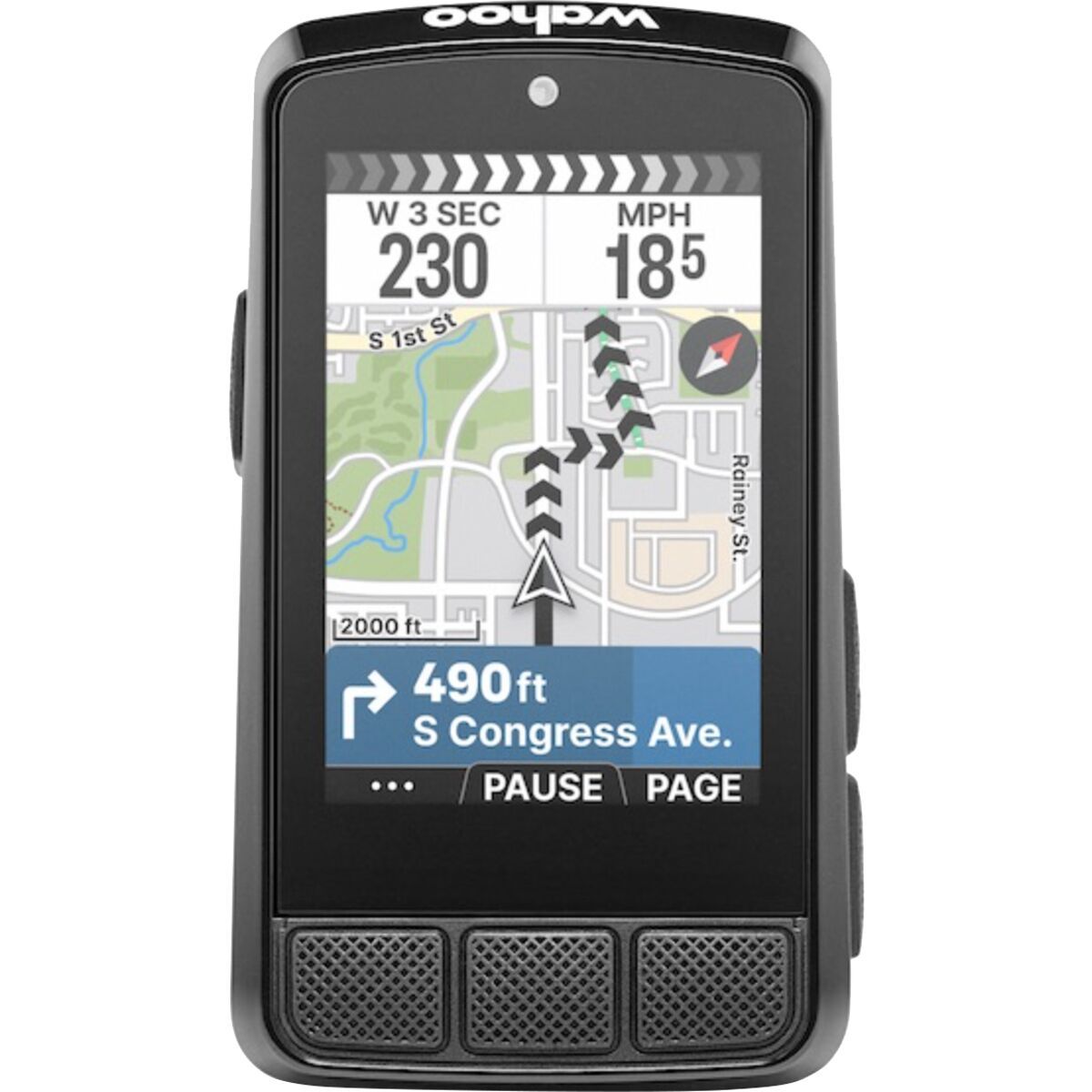
Wahoo ELEMNT BOLT 3
Track your rides with Wahoo's compact GPS — the bike computer we use daily.