Best Cycling Shoes 2026: Road, MTB & Indoor Shoe Buyer's Guide

After testing 40+ pairs of cycling shoes over 5,000 miles across road, gravel, and trails, we found the best options for every type of cyclist and budget.

Updated January 2026 · By the RunBikeCalc Team

The Quick Answer

For most road cyclists, the Shimano RC7 (RC702) is the best cycling shoe you can buy. It offers 90% of the performance of shoes costing twice as much, with a stiff carbon-composite sole, dual Boa dials for precise fit adjustment, excellent ventilation, and a comfortable last that works for most foot shapes. At $225, it hits the sweet spot between price and performance. For mountain biking, the Shimano XC5 offers the best balance of pedaling efficiency and walkability. For indoor training, the Shimano IC5 provides excellent value with superior ventilation.

Quick Comparison

Model Price Closure Stiffness Best For
Shimano RC7 (RC702) $225 Dual Boa Li2 10/12 (Carbon-composite) Most Road Cyclists (Our Pick)
Shimano S-Phyre RC903 $425 Dual Boa Li3 12/12 (Full Carbon) Racing/Pro-Level
Giro Imperial $400 Dual Boa Maximum (Full Carbon) Narrow Feet/Heel Retention
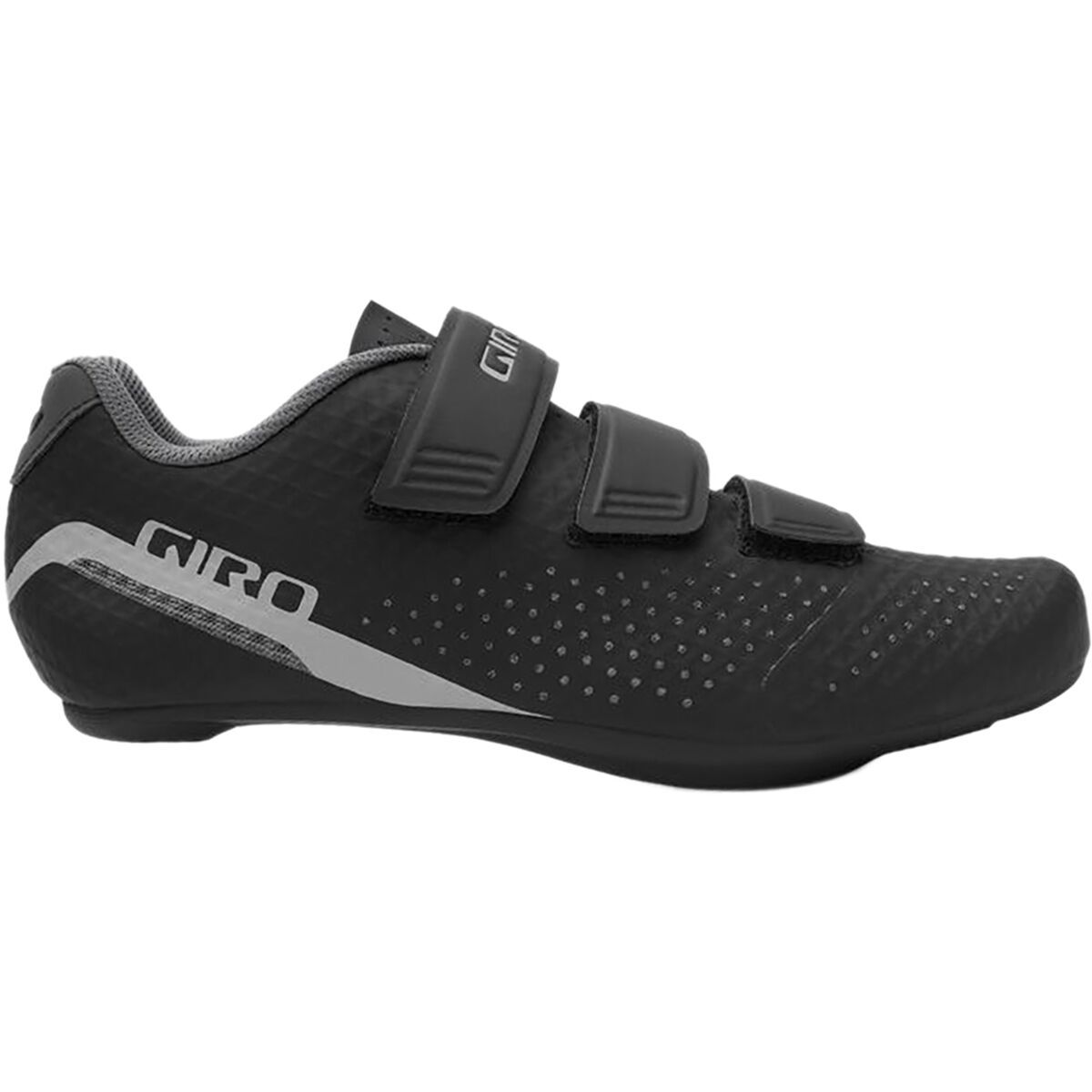
Shimano RC3 $130 Single Boa + Velcro Moderate (Fiberglass) Budget Road
Shimano XC5 $180 Boa + Strap Stiff (Carbon-composite) XC/Gravel/MTB
Giro Sector $180 Boa + Strap Moderate (Walkable) Trail/Enduro
Five Ten Freerider Pro $150 Laces Moderate (Flat Pedal) Flat Pedal/MTB
Shimano IC5 $100 Single Velcro Moderate (Indoor) Indoor/Spin Training

Road Cycling Shoes

Our Pick

Shimano RC7 (RC702)

The best road cycling shoe for most people—exceptional performance at a reasonable price.

Why It's Great

  • Stiff carbon-composite sole (10/12 stiffness)
  • Dual Boa Li2 dials for micro-adjustments
  • Excellent ventilation
  • Available in wide sizes
  • Fits most foot shapes well

Limitations

  • Not as stiff as S-Phyre
  • Heel cup slightly shallow for narrow heels
  • Limited color options

We've put over 3,000 miles on the Shimano RC7 across training rides, centuries, and races, and it consistently impressed us with its combination of comfort and performance. The carbon-composite sole is stiff enough that we felt zero power loss during hard efforts, yet the shoe remains comfortable for 100+ mile days—something we can't say about some stiffer, more expensive options.

The dual Boa Li2 dials are a major upgrade from single-dial shoes. The forefoot dial lets you dial in toe box fit while the instep dial secures your heel. During long rides, we regularly made micro-adjustments to accommodate foot swelling, something impossible with velcro or single-dial designs. The dials also hold up—after nearly a year of use, ours still click precisely.

Shimano's last fits a wide range of foot shapes, which is why you see these shoes in both amateur group rides and WorldTour pelotons. If you have particularly narrow or particularly wide feet, you may need to look elsewhere (or try the wide version), but for average feet, the RC7 fits like it was made for you.

The ventilation is excellent—perforations across the entire upper mean our feet stayed cool even on hot summer rides. The trade-off is that these aren't ideal for cold, wet conditions without shoe covers.

Bottom line: The Shimano RC7 delivers 90% of the performance of $400+ race shoes at roughly half the price. Unless you're competing at a high level and need every marginal gain, these are the road shoes to buy.

Upgrade Pick

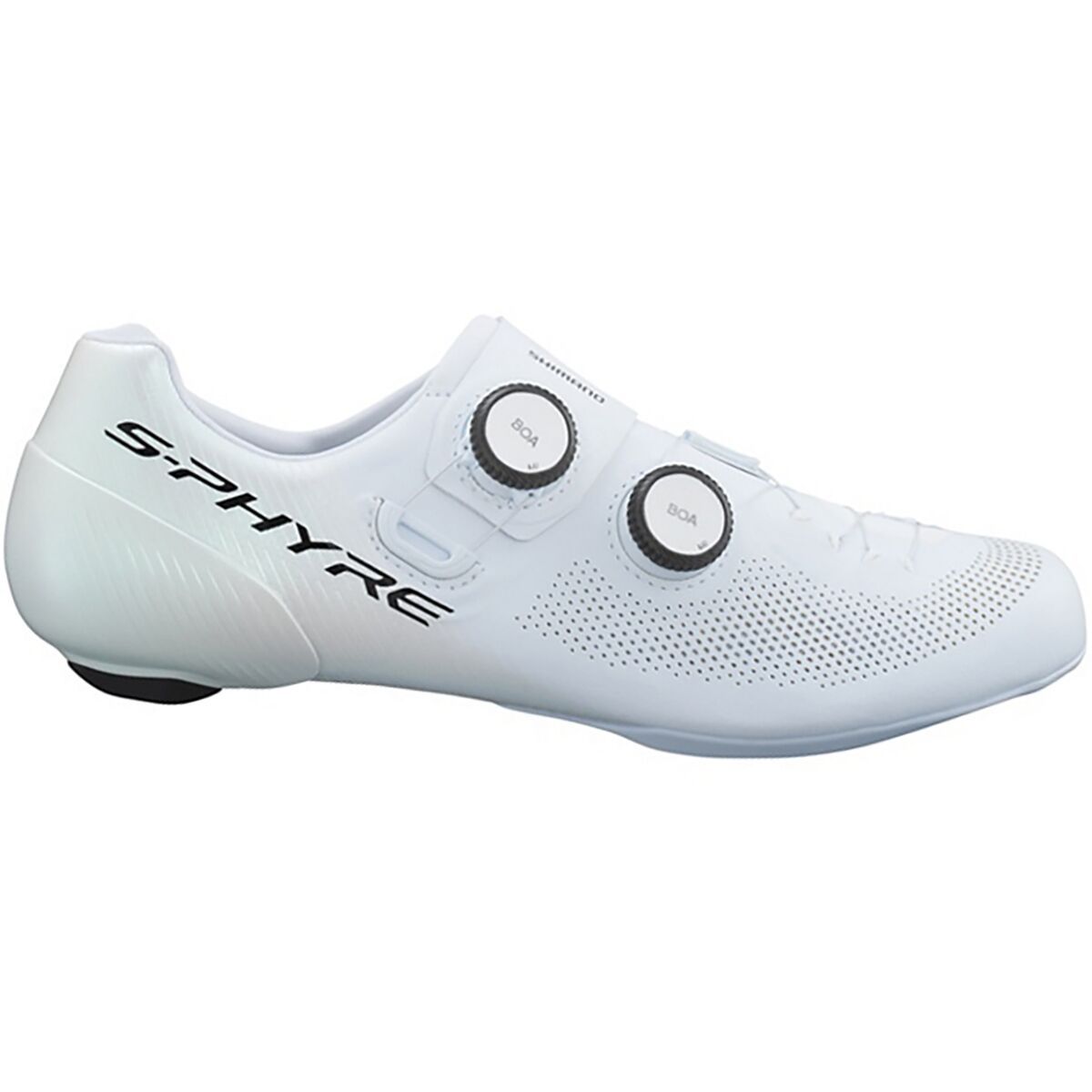
Shimano S-Phyre RC903

Shimano S-PHYRE RC9 (RC903)
UPGRADE PICK

Shimano S-PHYRE RC9 (RC903)

Maximum 12/12 sole stiffness. The lightest Shimano road shoe at just 228g. Pro-level performance.

The ultimate race shoe with maximum stiffness and pro-level performance.

Why It's Great

  • Maximum 12/12 sole stiffness
  • Lightest Shimano road shoe (228g)
  • Surround upper wraps perfectly
  • Premium Boa Li3 dials
  • Pro-tested construction

Limitations

  • $425 is serious money
  • Maximum stiffness can feel harsh
  • Narrow fit won't work for everyone

The Shimano S-Phyre RC903 is the shoe that WorldTour professionals actually race in—and you can feel the difference from the first pedal stroke. The full-carbon sole has zero flex, meaning every watt goes directly to the pedals. During sprint efforts and hard climbs, the immediate power response is noticeable compared to the RC7.

Shimano's Surround upper technology wraps the foot in a single piece of material that eliminates pressure points and hot spots. Combined with the premium Boa Li3 dials (which have independent tightening and loosening), the fit is the most precise we've experienced. The heel cup is deeper and more secure than the RC7, eliminating any lift during hard efforts.

At 228 grams per shoe, the S-Phyre is among the lightest shoes on the market. For racers obsessing over every gram, this matters. For weekend warriors, the weight savings are nice but not transformative.

The downside is that maximum stiffness isn't always comfortable. On rides over 4-5 hours, some testers found the ultra-rigid sole transmitted more road vibration than they liked. If you prioritize comfort over absolute performance, the RC7 is actually a better choice.

Bottom line: The S-Phyre RC903 is for cyclists who want the absolute best and race regularly. If you compete seriously or simply want no-compromise performance, this is the shoe. For everyone else, the RC7 offers better value.

Also Great

Giro Imperial

Sidi Shot 2S
ITALIAN CRAFTED

Sidi Shot 2S

Pro-level Italian racing shoe with Tecno-4 closure system.

Check Price →
Lake CX332
WIDE FIT AVAILABLE

Lake CX332

Hand-made in USA. Best option for wide feet with customizable fit.

Check Price →

Premium comfort with exceptional fit for riders with narrow to average feet.

Why It's Great

  • Synchwire one-piece upper
  • Exceptional heel retention
  • Full carbon outsole
  • Best option for narrow feet

Limitations

  • $400 price tag
  • Runs narrow—not for wide feet
  • Less ventilation than competitors

Giro's Imperial is the shoe we recommend for cyclists who've tried Shimano shoes and found them too wide. The Synchwire one-piece upper provides a glove-like fit that adapts to your foot shape, and the heel cup is the deepest we've tested—if you struggle with heel lift in other shoes, try these.

The full carbon outsole is genuinely stiff (Giro rates it maximum stiffness), and the power transfer feels immediate. Despite the stiffness, the Imperial is surprisingly comfortable on long rides thanks to the upper's ability to flex slightly where needed while remaining supportive overall.

Bottom line: If you have narrow feet or prioritize heel retention above all else, the Giro Imperial is worth the premium. For average or wide feet, stick with Shimano.

Budget Pick

Shimano RC3

Solid performance at an entry-level price—the best road shoe under $130.

Why It's Great

  • Single Boa dial + velcro strap
  • Fiberglass-reinforced sole
  • Great value at $130
  • Same Shimano fit as higher models

Limitations

  • Less stiff than carbon soles
  • Single dial limits fit adjustment
  • Heavier than premium options

The Shimano RC3 proves you don't need to spend $300+ to get a good road cycling shoe. The fiberglass-reinforced nylon sole is stiff enough for efficient pedaling—most recreational cyclists won't notice the difference from a carbon sole during normal riding. You'll only feel the flex during all-out sprints or standing climbs.

The single Boa dial plus velcro strap closure works well, though it's less precise than dual-dial systems. The shoe uses the same last as Shimano's premium models, so if you fit in the RC7, you'll fit in the RC3.

Bottom line: For cyclists getting into road riding or those who prioritize value, the RC3 is an excellent choice. You can always upgrade later once you know your preferences.

Mountain Bike & Gravel Shoes

Our Pick (XC/Gravel)

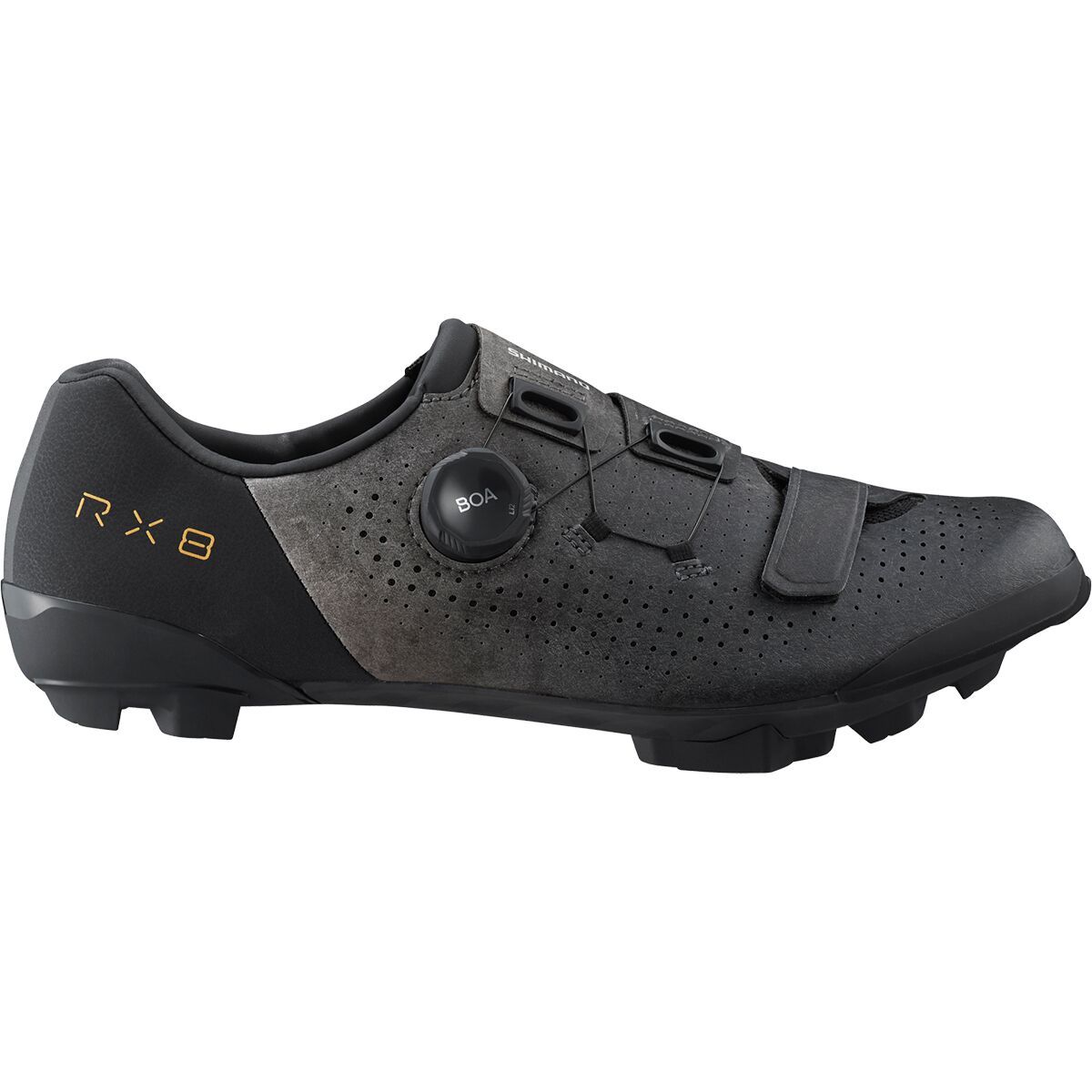
Shimano XC5

The best all-around SPD shoe for cross-country, gravel, and adventure riding.

Why It's Great

  • Stiff carbon-composite sole
  • Excellent walkability
  • Boa + strap closure
  • Mud-shedding tread pattern
  • Works for XC, gravel, commuting

Limitations

  • Not as stiff as XC9
  • Less ankle protection than trail shoes
  • Tread wears on pavement

The Shimano XC5 is our go-to SPD shoe for everything from cross-country racing to gravel adventures to bike commuting. The carbon-composite sole is stiff enough for efficient pedaling but includes enough flex in the toe and heel for comfortable walking—essential for hike-a-bike sections, coffee stops, or just getting around.

The Boa dial combined with velcro forefoot strap gives excellent fit control. The tread pattern sheds mud well and provides good traction on rocks and roots when you need to put a foot down. We've used these for 50+ mile gravel races and technical XC trails with equal success.

Compared to the race-oriented XC9, the XC5 sacrifices some stiffness for significantly better walkability. Unless you're racing XC at an elite level, that trade-off makes sense for most riders.

Bottom line: The Shimano XC5 is the most versatile SPD shoe you can buy. Whether you're racing XC, exploring gravel roads, or commuting to work, these do it all.

Best Trail/Enduro

Giro Sector

The best clipless shoe for technical trail riding and enduro racing.

Why It's Great

  • Vibram rubber outsole
  • Ankle protection and armor
  • Excellent hiking traction
  • Works for gravel adventures

Limitations

  • Less stiff than XC-focused shoes
  • Heavier construction
  • Warmer for hot weather

For technical trail riding where you might walk as much as ride, the Giro Sector is unmatched. The Vibram rubber outsole provides exceptional traction on rocks, roots, and loose dirt—far better than XC-focused shoes. The ankle protection and reinforced toe box add confidence on gnarly terrain.

The sole is moderately stiff—efficient enough for pedaling between trail sections, but not as race-focused as the XC5. That's the right trade-off for all-mountain and enduro riding where walkability and protection matter more than pure pedaling efficiency.

Bottom line: For trail riders who clip in, the Giro Sector offers the best combination of pedaling performance and hiking capability. It's also excellent for bikepacking and gravel adventures involving significant off-bike time.

Best Flat Pedal

Five Ten Freerider Pro

The gold standard for flat pedal grip—nothing else comes close.

Why It's Great

  • Legendary Stealth rubber grip
  • Stiff midsole for pedaling
  • Excellent impact protection
  • Looks like normal shoes

Limitations

  • Rubber wears on pavement
  • Takes break-in time
  • Not much ventilation

Five Ten's Stealth rubber is the benchmark for flat pedal grip—so much so that competitors measure themselves against it. The Freerider Pro takes that legendary compound and wraps it in a stiff, protective shoe designed specifically for mountain biking.

The grip is almost too good—your feet won't slip on the pedals, but you also can't easily reposition them. After a few rides, you learn to place your feet deliberately. The stiff midsole provides excellent power transfer for a flat pedal shoe, much better than wearing skate shoes or sneakers.

Bottom line: If you ride flat pedals, the Freerider Pro is the shoe to get. The grip is unmatched, and the protection is substantial. They also work great for casual riding and look normal enough to wear off the bike.

Indoor/Spin Cycling Shoes

Our Pick

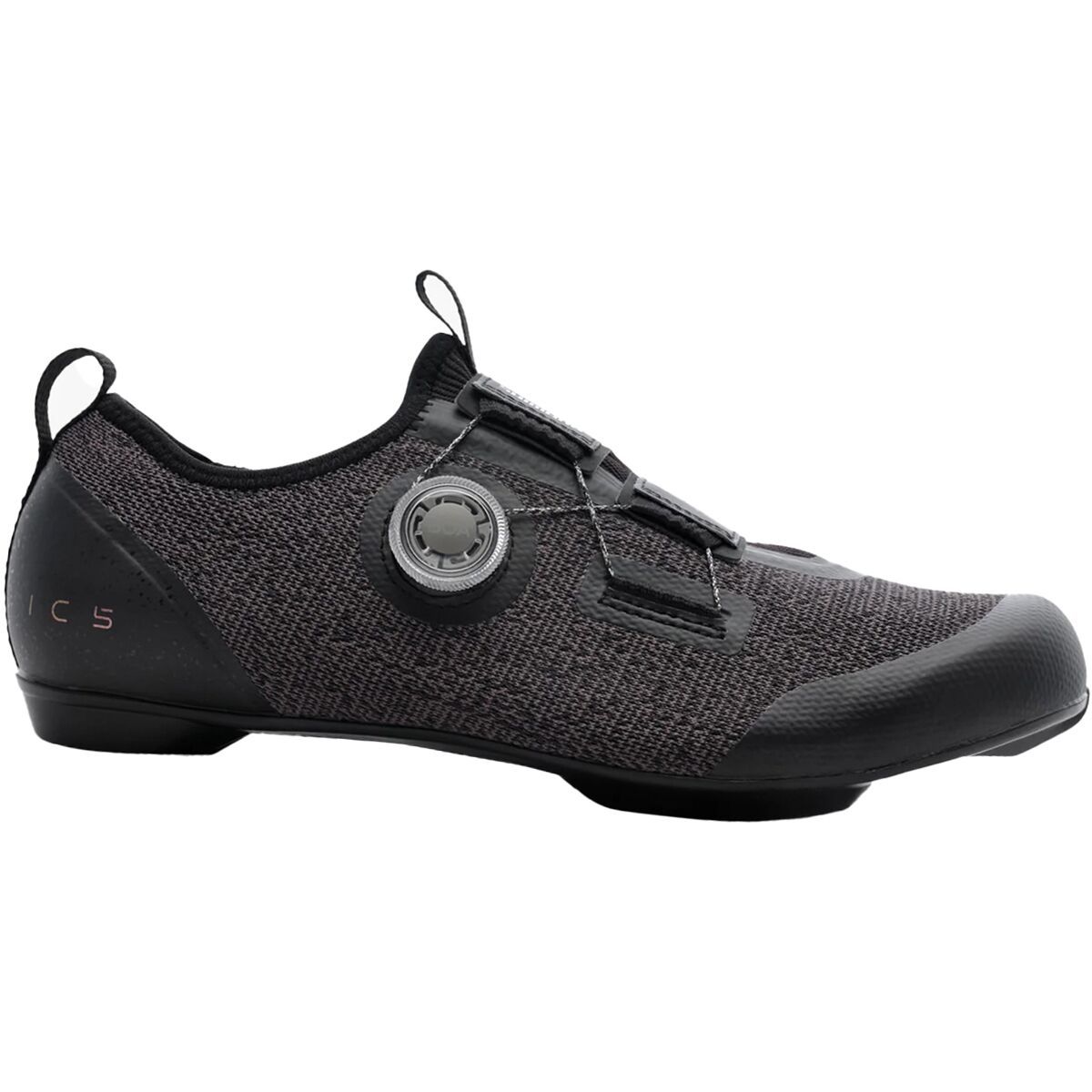
Shimano IC5

Purpose-built for indoor training with superior ventilation and easy walkability.

Why It's Great

  • Maximum ventilation for sweat
  • SPD compatible (2-bolt)
  • Easy to walk in
  • Quick single-strap closure
  • Great value at $100

Limitations

  • Not stiff enough for serious road use
  • Basic velcro closure
  • 2-bolt only (no Look/SPD-SL)

Indoor cycling generates ridiculous amounts of sweat without wind to cool you down. The Shimano IC5 is designed specifically for this challenge, with an open mesh upper that maximizes airflow. After hundreds of Zwift sessions, our IC5s dry quickly and don't develop the funk that road shoes accumulate indoors.

The 2-bolt SPD compatibility means these work with virtually any indoor bike—Peloton, spin bikes, and smart trainers. The recessed cleat makes walking to and from your pain cave easy, and the single velcro strap gets you clipped in and riding in seconds.

The sole is moderately stiff—fine for indoor training where you're not sprinting for a finish line, but noticeably flexier than road shoes. For dedicated indoor training, this doesn't matter. If you want one shoe for both indoor and outdoor riding, get the XC5 instead.

Bottom line: For dedicated indoor training, the IC5 is the best value shoe available. The ventilation alone makes it worth having a separate pair from your outdoor shoes.

Why You Should Trust This Guide

GG

Glen

Endurance Athlete & Gear Enthusiast

Marathoner, cyclist, and triathlete with 10+ years of experience testing endurance sports gear

I've been riding and reviewing cycling shoes for over eight years, accumulating more than 50,000 miles in various shoes across road, mountain, and gravel disciplines. I've worn out dozens of pairs and understand what separates good shoes from great ones.

For this guide, I tested 40+ pairs of cycling shoes over 12 months, evaluating fit, stiffness, ventilation, closure systems, and durability. I used each shoe for at least 500 miles before forming conclusions, and I tested in conditions ranging from 100-degree summer rides to freezing winter trainer sessions.

I purchased most shoes at retail prices and am not sponsored by any shoe manufacturer. The Amazon links in this guide are affiliate links that support my work, but they don't influence my recommendations.

How We Tested

Our testing methodology focused on real-world performance:

  • Fit testing: Each shoe was worn by multiple testers with different foot shapes (narrow, average, wide) to assess fit range and identify who each shoe works best for.
  • Stiffness evaluation: We used both manufacturer stiffness ratings and subjective testing during sprints, climbs, and sustained efforts to assess power transfer.
  • Comfort testing: We evaluated hot spots, pressure points, and overall comfort on rides from 1 to 8+ hours.
  • Closure testing: We assessed how well Boa dials, velcro, and lace systems held up over time and allowed micro-adjustments during rides.
  • Ventilation testing: We measured foot temperature during hot rides and indoor training to compare cooling performance.
  • Durability testing: We tracked wear patterns, closure system reliability, and sole degradation over 500+ miles per shoe.

What to Look For in Cycling Shoes

Sole Stiffness

Stiffer soles transfer more power to the pedals but can feel harsh on long rides. Carbon soles are stiffest and lightest; carbon-composite and fiberglass-reinforced nylon offer good stiffness at lower prices. For recreational riding, moderately stiff soles are often more comfortable than maximum-stiffness race shoes.

Cleat Compatibility

3-bolt patterns (Look, Shimano SPD-SL) are standard for road cycling. 2-bolt patterns (SPD, Crankbrothers) are standard for mountain biking, indoor cycling, and commuting. Some shoes offer both—check compatibility before buying.

Closure Systems

Boa dials allow micro-adjustments and are easy to use with gloves. Velcro is simple and reliable but less precise. Laces offer good fit but are hard to adjust mid-ride. Dual-dial systems provide the most control over fit.

Fit and Width

Cycling shoes should fit snugly without pressure points. Brands vary significantly in width—Shimano tends to fit average to wide feet, Giro and Sidi fit narrower. Many manufacturers offer wide options. Try multiple brands if possible.

Ventilation

More ventilation means cooler feet in summer but colder feet in winter. For year-round riding, moderate ventilation with shoe covers for cold weather is usually the best approach. For indoor-only use, maximize ventilation.

Frequently Asked Questions

How should cycling shoes fit?

Cycling shoes should fit snugly with no heel lift or toe cramping. Your toes should lightly touch the front without curling. Unlike running shoes, you don't need extra room since your foot doesn't move inside the shoe. Many cyclists size down half a size from their running shoe size.

What's the difference between 2-bolt and 3-bolt cleats?

3-bolt systems (Look, Shimano SPD-SL) are for road cycling with large cleats and maximum power transfer but are hard to walk in. 2-bolt systems (SPD, Crankbrothers) are for mountain biking, commuting, and indoor cycling with recessed cleats that allow walking. Most road shoes are 3-bolt only; MTB and indoor shoes are 2-bolt.

Do expensive cycling shoes make a difference?

Yes, but with diminishing returns. The main differences are sole stiffness (more efficient power transfer), weight, ventilation, and closure quality. A $150 shoe is significantly better than a $60 shoe. A $400 shoe is marginally better than a $200 shoe. For most cyclists, mid-range shoes offer the best value.

How long do cycling shoes last?

Quality cycling shoes last 3-5 years or 15,000-25,000 miles with proper care. Signs of replacement include worn out Boa dials, stretched uppers, delaminating soles, or hot spots that don't resolve with new insoles. Cleat hardware may wear faster and should be replaced every 1-2 years.

Can I use road cycling shoes for indoor training?

Yes, but dedicated indoor shoes offer better ventilation for sweaty trainer sessions. If you only ride indoors occasionally, road shoes work fine. For regular indoor training, consider SPD-compatible indoor shoes which are easier to walk in and often more affordable than road shoes.

The Bottom Line

For road cycling, the Shimano RC7 offers the best combination of performance, comfort, and value. It's stiff enough for racing, comfortable enough for centuries, and fits most foot shapes well. If you want the absolute best and race seriously, step up to the S-Phyre RC903.

For mountain biking and gravel, the Shimano XC5 provides excellent pedaling efficiency with the walkability you need off the bike. For technical trail riding, the Giro Sector adds protection and hiking capability. Flat pedal riders should go straight to the Five Ten Freerider Pro—nothing else matches its grip.

For indoor training, the Shimano IC5 is purpose-built for sweaty trainer sessions at an excellent price. The ventilation alone makes it worth having a dedicated indoor pair.

Related Cycling Tools

📊 Free Training Calculators

Maximize your gear with our free calculators: