How to Perform a Sweat Test
A sweat test helps determine your individual fluid replacement needs by measuring how much fluid you lose through sweat during exercise. This information is crucial for developing an effective hydration strategy.
Sweat Test Protocol
- Preparation: Avoid alcohol, caffeine, and excessive sodium 24 hours before testing
- Pre-exercise: Urinate, then weigh yourself nude
- Exercise: Train for 60-90 minutes at your typical intensity
- Track intake: Measure all fluids consumed during exercise
- Post-exercise: Towel off sweat, urinate if needed, then weigh yourself nude
Optimize Your Hydration Strategy
Skratch Labs Hydration Mix
Based on your sweat test results, proper electrolyte replacement is crucial. Skratch Labs provides scientifically formulated hydration with the optimal sodium content for endurance athletes.
- ✓ 380mg sodium per serving - matches sweat losses
- ✓ Real fruit flavors, no artificial ingredients
- ✓ Optimized glucose:sodium ratio for absorption
- ✓ Prevents cramping and maintains performance
- ✓ Used by pro athletes and teams worldwide
Affiliate Disclosure: Product links may earn us a commission at no additional cost to you. This helps support our free calculators.
Skratch Labs
Sport Hydration Mix
Understanding Your Results
Your sweat rate indicates how much fluid you lose per hour of exercise. Use this to:
- Develop hydration strategy: Aim to replace 125-150% of fluid lost
- Prevent dehydration: Don't lose more than 2% of body weight
- Optimize performance: Maintain proper electrolyte balance
- Adjust for conditions: Increase intake in hot/humid weather
Factors Affecting Sweat Rate
- Environmental temperature and humidity
- Exercise intensity and duration
- Individual fitness level
- Heat acclimatization status
- Body size and composition
- Clothing and equipment
Hydration Guidelines
Based on your sweat test results:
- Pre-exercise: Drink 16-24 oz of fluid 2-3 hours before
- During exercise: Replace 150-250 ml every 15-20 minutes
- Post-exercise: Drink 150% of weight lost within 6 hours
- Electrolytes: Include sodium for sessions longer than 1 hour
Featured at Backcountry: 15% off first order
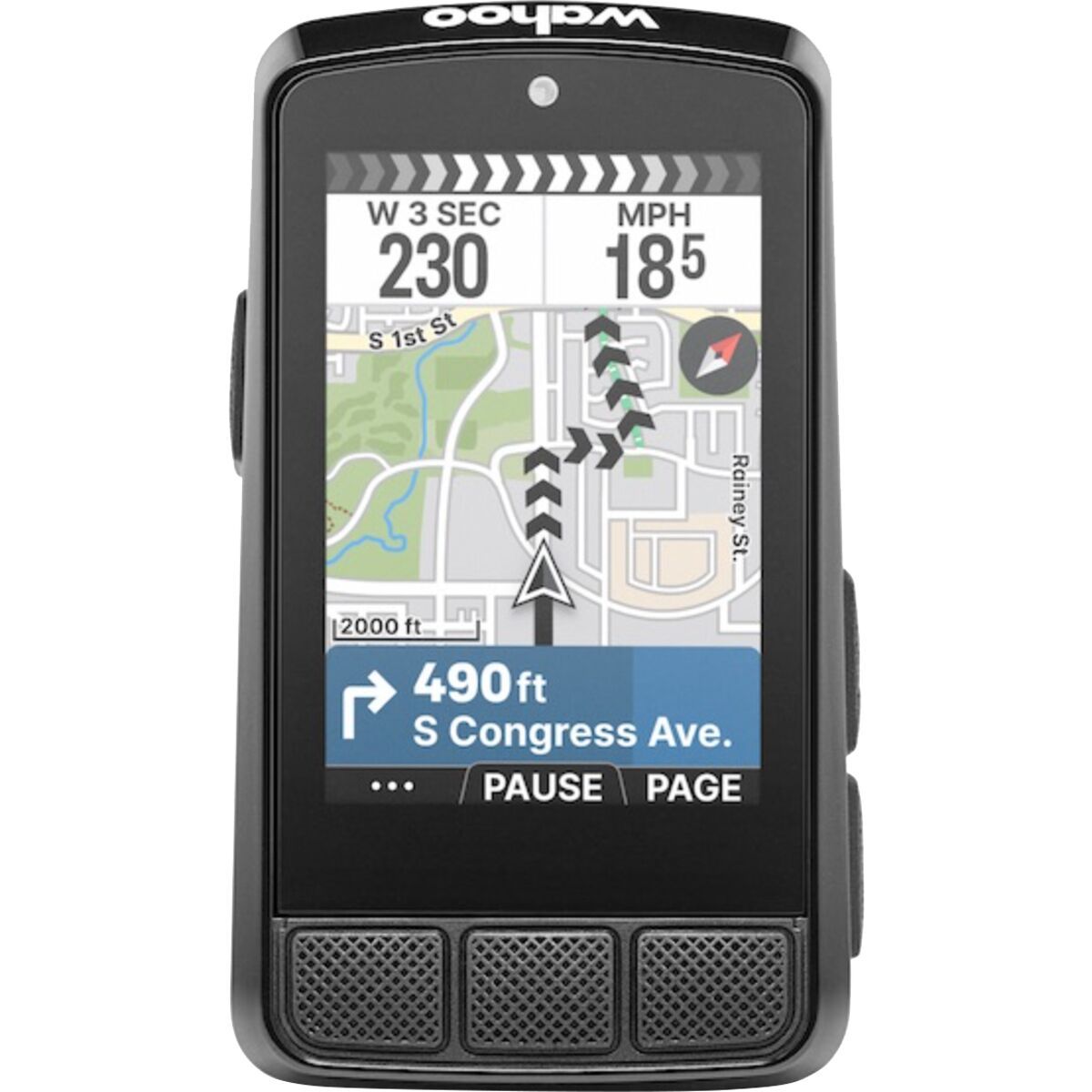
Wahoo ELEMNT BOLT 3
Track your rides with Wahoo's compact GPS bike computer, a favorite in owner reviews for its simple setup.
Frequently Asked Questions
How do I calculate my sweat rate?
To calculate sweat rate: 1) Weigh yourself nude before exercise, 2) Exercise for 60 minutes at typical intensity, 3) Track all fluids consumed, 4) Weigh yourself nude after toweling dry. Sweat rate = (pre-weight - post-weight + fluid intake) / exercise hours. Each pound lost equals about 16 fl oz of sweat. Average rates range from 0.5-2.5 liters per hour.
How much should I drink during exercise?
Aim to replace 50-80% of sweat losses during exercise. This typically means 150-250 ml (5-8 oz) every 15-20 minutes for moderate-intensity exercise. Don't over-hydrate - drinking more than you sweat can cause hyponatremia. Use your sweat test results to personalize: divide your hourly sweat rate by 4 for a 15-minute drinking target.
What affects sweat rate?
Sweat rate is affected by: 1) Temperature and humidity - hotter/humid conditions increase sweating up to 2-3x, 2) Exercise intensity - higher intensity means more sweating, 3) Fitness level - fit athletes sweat more efficiently and earlier, 4) Heat acclimatization - acclimatized athletes sweat more, 5) Genetics and body size - larger individuals typically sweat more.
When should I add electrolytes?
Add electrolytes (especially sodium) for exercise lasting over 60 minutes, in hot conditions, or if you're a salty sweater (white residue on clothes/skin). Aim for 300-600mg sodium per hour during long endurance events. Sports drinks or electrolyte tablets work well. For shorter sessions under an hour in cool conditions, water is usually sufficient.