Summer Running Heat Training Guide 2026: Complete Heat Acclimatization & Safety Protocol
Master summer running with science-backed heat acclimatization protocols, evidence-based hydration strategies, optimal training times, and expert gear recommendations to train safely and effectively in hot weather conditions.
Updated 2026 | By the RunBikeCalc Team
The Quick Answer: Summer Running Success
Running in summer heat requires three key adaptations: heat acclimatization (10-14 days of progressive heat exposure), proper hydration (pre-hydrate, drink during runs, replace electrolytes), and smart timing (early morning or evening runs). Slow your pace by 30-60 seconds per mile for every 10 degrees above 55F, wear moisture-wicking gear, and learn to recognize heat illness warning signs. With proper preparation, you can maintain your training through the hottest months.
What's in This Guide
- Understanding Heat Stress on Runners
- Heat Acclimatization Protocol (10-14 Day Plan)
- Complete Hydration Strategy
- Best Times to Run in Summer
- Heat-Adjusted Pace Calculator
- Essential Hot Weather Running Gear
- Heat Illness: Warning Signs & Treatment
- Pre-Cooling & Mid-Run Cooling Strategies
- Summer Nutrition & Electrolyte Guide
- Summer-Specific Workout Modifications
- FAQ
Understanding Heat Stress on Runners
When you run in heat, your body faces a fundamental conflict: it needs to send blood to working muscles for performance AND to the skin for cooling. This cardiovascular competition is why running feels dramatically harder in hot conditions, even at the same pace.
The Physiology of Heat Stress
During exercise in heat, several physiological changes occur that affect performance:
Cardiovascular Effects
- Increased Heart Rate: Heart rate rises 10-20 BPM higher than normal at the same pace to compensate for reduced stroke volume
- Reduced Blood Volume: Sweating depletes plasma volume, making the heart work harder
- Blood Flow Competition: Skin requires up to 20% of cardiac output for cooling
- Reduced VO2 Max: Effective VO2 max decreases 5-10% in heat
Thermoregulatory Effects
- Sweating: Trained runners can sweat 1-2 liters per hour in heat
- Core Temperature: Rises faster and higher than in cool conditions
- Evaporative Cooling: Becomes less effective as humidity increases
- Heat Storage: Body accumulates heat faster than it can dissipate
Heat Index: The Real Temperature
The heat index combines air temperature and relative humidity to show what temperature it "feels like" to the human body. This is critical for runners because humidity dramatically affects your body's ability to cool through sweat evaporation.
| Heat Index | Risk Level | Running Recommendations |
|---|---|---|
| Below 80F | Low Risk | Normal training with standard hydration |
| 80-90F | Moderate Risk | Reduce intensity, increase hydration, take breaks |
| 90-103F | High Risk | Shorten runs, significantly reduce intensity, carry water |
| 103-124F | Very High Risk | Consider indoor alternatives, only short easy runs if necessary |
| Above 124F | Extreme Danger | Do not exercise outdoors - heat stroke highly likely |
Calculate Your Training Adjustments
Use our calculators to determine appropriate training intensity for hot conditions:
Heat Acclimatization Protocol: 10-14 Day Plan
Heat acclimatization is the systematic process of adapting your body to perform in hot conditions. Research shows that proper heat acclimatization can improve performance in heat by 7-10% and significantly reduce heat illness risk.
Physiological Adaptations from Heat Training
Early Adaptations (Days 1-5)
- Plasma volume expansion (8-12%)
- Earlier onset of sweating
- Increased sweat rate
- Lower heart rate at same workload
- Improved thermal comfort
Later Adaptations (Days 6-14)
- More dilute sweat (sodium conservation)
- Improved cardiovascular stability
- Lower core temperature at rest and exercise
- Reduced perceived exertion in heat
- Better distribution of blood flow
The 10-Day Heat Acclimatization Protocol
Phase 1: Introduction (Days 1-3)
Goal: Initial heat exposure with minimal stress
- Duration: 30-45 minutes per session
- Intensity: Easy effort only (60-65% max HR, conversational pace)
- Timing: Run during moderate heat (75-85F) if possible, not peak heat
- Hydration: Pre-hydrate well, carry water, drink every 15 minutes
- Recovery: Extra sleep, cold shower post-run, monitor for heat illness symptoms
Phase 2: Building (Days 4-6)
Goal: Extend exposure time and introduce moderate intensity
- Duration: 45-60 minutes per session
- Intensity: Mostly easy with short tempo segments (5-10 minutes)
- Timing: Include some sessions during warmer parts of day
- Hydration: Practice race-day hydration strategies
- Monitoring: Track body weight before/after runs to assess sweat loss
Phase 3: Optimization (Days 7-10)
Goal: Simulate race conditions with quality work
- Duration: 60-90 minutes including quality workouts
- Intensity: Include race-pace segments and interval work
- Timing: Match anticipated race or training conditions
- Hydration: Fine-tune electrolyte balance and fluid timing
- Testing: Evaluate heat-adjusted pace targets
Days 11-14: Maintenance
Goal: Maintain adaptations while completing normal training
- Frequency: At least one heat exposure session every 2-3 days
- Duration: Minimum 60 minutes to maintain adaptations
- Note: Adaptations decline after 2-3 days without heat exposure
Alternative: Passive Heat Acclimatization
If unable to train in heat, passive heat exposure through sauna sessions (15-30 minutes post-workout, 3-5 times per week) can provide 50-75% of the benefits of active heat acclimatization. Hot baths (104-108F for 30-40 minutes) are another option. Always hydrate well before and after passive heat exposure.
Complete Hydration Strategy for Summer Running
Proper hydration in summer running isn't just about drinking water during your run. It's a comprehensive strategy that starts hours before exercise and continues well after you finish. Both dehydration and overhydration (hyponatremia) pose serious risks.
Pre-Run Hydration Protocol
2-3 Hours Before
- Drink 16-20 oz (500-600ml) of water or sports drink
- Include light sodium if sweating heavily
- Allow time for excess to be eliminated
15-30 Minutes Before
- Drink 8 oz (240ml) of water
- Check urine color (should be pale yellow)
- Avoid excessive fluid that causes sloshing
Hydration Check
- Weigh yourself before run
- Record starting conditions
- Note thirst level and energy
During-Run Hydration
General Guidelines
- Frequency: Drink every 15-20 minutes during hot weather runs
- Volume: 4-8 oz (120-240ml) per drinking opportunity
- Electrolytes: Include sodium for runs over 60 minutes or in extreme heat
- Listen to Thirst: Thirst is generally a reliable guide for healthy runners
| Run Duration | Fluid Type | Approximate Volume |
|---|---|---|
| Under 45 minutes | Water (electrolytes optional) | 8-16 oz total |
| 45-75 minutes | Water + electrolytes | 16-32 oz total |
| 75-120 minutes | Sports drink + water | 24-48 oz total |
| Over 2 hours | Sports drink + electrolyte tabs + water | 32+ oz (personalize based on sweat rate) |
Calculating Your Sweat Rate
Sweat Rate Test Protocol
- 1. Weigh yourself nude before running
- 2. Run for 60 minutes in typical summer conditions
- 3. Track all fluid consumed during the run (in ounces)
- 4. Weigh yourself nude after running
- 5. Calculate: (Pre-weight - Post-weight in lbs) x 16 + Fluid consumed = Sweat rate in oz/hour
Example: You weigh 160 lbs before, 158 lbs after, and drank 16 oz during the run. Sweat rate = (2 x 16) + 16 = 48 oz/hour
Post-Run Rehydration
Complete rehydration after hot weather running requires replacing both fluid and electrolytes lost through sweat:
- Fluid Replacement: Drink 16-24 oz for every pound of body weight lost during the run
- Timing: Replace fluids gradually over 2-4 hours rather than all at once
- Sodium: Include salty foods or electrolyte drinks to aid fluid retention
- Urine Check: Continue hydrating until urine returns to pale yellow color
- Alcohol Caution: Avoid alcohol after hot runs as it impairs rehydration
Best Times to Run in Summer
Timing your runs strategically can make the difference between a productive workout and a dangerous situation. Understanding daily temperature patterns and UV radiation cycles helps you train smarter during hot months.
Early Morning (5:00-7:00 AM)
Advantages
- Coolest temperatures of the day
- Lower UV radiation
- Less traffic and air pollution
- Mental clarity and energy for day ahead
Considerations
- Often highest humidity of day
- May need extra warmup time
- Requires early wake-up routine
- Limited visibility before sunrise
Evening (7:00-9:00 PM)
Advantages
- Temperatures declining from peak
- Lower humidity than morning
- Body is warmed up from daily activity
- Stress relief after work day
Considerations
- Residual ground heat radiation
- May interfere with sleep if too late
- UV still elevated early evening
- More crowded trails and paths
Times to Avoid: 10:00 AM - 4:00 PM
During peak summer months, avoid running during midday hours when:
- Temperature peaks: Daily high temperatures typically occur between 2-5 PM
- UV radiation peaks: Highest UV index between 10 AM and 4 PM
- Ground radiation: Asphalt and concrete radiate stored heat upward
- Air quality: Ozone levels often highest during afternoon
Exception: Heat acclimatization training may deliberately include some midday sessions, but always with appropriate precautions.
Route Planning for Hot Weather
- Shade coverage: Plan routes through parks, tree-lined streets, or shaded trails
- Water access: Map routes past water fountains, stores, or pre-placed water bottles
- Bail-out options: Know shortcuts back to your start if heat becomes overwhelming
- Surface choice: Trails and grass are cooler than asphalt; avoid black surfaces
- Wind exposure: Open areas may be hotter but offer better evaporative cooling
- Elevation: Higher elevations are typically 3-5F cooler per 1000 feet gained
Heat-Adjusted Pace Calculator
Running at your normal pace in hot conditions puts excessive stress on your cardiovascular system. Smart runners adjust their pace based on temperature to maintain the same physiological effort level.
Pace Adjustment Formula
For every 5 degrees Fahrenheit above 55F, slow your pace by approximately 1-2% (or 3-10 seconds per mile for most runners).
| Temperature | Pace Adjustment | Example (8:00/mile base) |
|---|---|---|
| 55-60F (Ideal) | No adjustment | 8:00/mile |
| 60-65F | +5-10 sec/mile | 8:05-8:10/mile |
| 65-75F | +10-20 sec/mile | 8:10-8:20/mile |
| 75-85F | +20-45 sec/mile | 8:20-8:45/mile |
| 85-95F | +45-75 sec/mile | 8:45-9:15/mile |
| 95F+ | +75+ sec/mile or run indoors | 9:15+/mile or treadmill |
Heart Rate: The Better Guide
Rather than rigidly following pace, use heart rate as your primary intensity guide in hot conditions. This automatically accounts for heat, humidity, hydration status, and acclimatization level.
Heat Running by Heart Rate Zones
- Easy runs: Stay in Zone 2 (60-70% max HR) - if heart rate drifts higher, slow down
- Tempo runs: Target Zone 3-4 (70-85% max HR) - expect slower pace than cool conditions
- Intervals: Allow full recovery between efforts - heart rate may stay elevated longer
- Long runs: Start in low Zone 2 and accept gradual drift upward
Essential Hot Weather Running Gear
The right gear can significantly improve comfort and safety during summer running. Focus on lightweight, breathable, moisture-wicking materials that help your body's natural cooling systems work effectively.
Hot Weather Running Apparel
Lightweight Running Singlets
Maximizes airflow and sweat evaporation. Look for mesh panels and loose fit.
- Moisture-wicking polyester or nylon blend
- Light colors to reflect sunlight
- Flatlock seams to prevent chafing
- Mesh ventilation panels
Split or 2-in-1 Running Shorts
Split shorts offer maximum airflow; 2-in-1 provides support with breathability.
- 3-5" inseam for freedom of movement
- Built-in brief or compression liner
- Side splits for full leg extension
- Lightweight, quick-drying fabric
Looking for detailed reviews? See our Best Running Shorts 2026 guide.
Lightweight Running Cap or Visor
Shades eyes and face while allowing heat to escape from top of head.
- Mesh crown for ventilation (caps) or open top (visors)
- Moisture-wicking sweatband
- Light color to reflect heat
- UPF 50+ rating for sun protection
Top Picks for Summer Running:
Sport Sunglasses
Protect eyes from UV damage and reduce squinting fatigue on bright days.
- Polarized lenses reduce glare
- Lightweight, secure fit that won't bounce
- Ventilated frames prevent fogging
- 100% UVA/UVB protection
Hydration Gear for Hot Weather
Running Hydration Vests
Essential for runs over 60 minutes in heat when water access is limited.
- 1.5-2L capacity for summer runs
- Mesh construction for breathability
- Front bottle pockets for easy access
- Storage for phone, keys, nutrition
Handheld Water Bottles
Perfect for runs under 90 minutes with easy-access hydration.
- 17-20 oz capacity typical
- Ergonomic grip strap
- Insulated options keep water cold longer
- Small pocket for keys/gels
Compare top picks in our Best Water Bottles for Running & Cycling 2026 guide.
Hot Weather Running Shoes
In hot weather, prioritize shoes with maximum breathability to prevent overheating feet:
- Mesh uppers: Look for engineered mesh that maximizes airflow while maintaining structure
- Light colors: White or light-colored uppers absorb less heat than dark colors
- Quick-dry materials: Important if you pour water over your head or run through streams
- Thin tongues: Reduce heat buildup on top of foot
- Consider sizing up: Feet swell in heat; ensure enough room to avoid blisters
Heat Illness: Warning Signs & Treatment
Heat-related illnesses exist on a spectrum from mild heat cramps to life-threatening heat stroke. Recognizing early warning signs and knowing how to respond can prevent minor problems from becoming emergencies.
Heat Cramps
Severity: Mild - Usually resolves quickly with treatment
Symptoms:
- Painful muscle spasms (calves, thighs, abdomen)
- Usually occurs during or after intense exercise
- May be accompanied by heavy sweating
Treatment:
- Stop activity and rest in cool area
- Drink electrolyte solution or water with salt
- Gently stretch and massage affected muscles
- Avoid activity for several hours after cramps resolve
Heat Exhaustion
Severity: Moderate - Requires immediate attention
Symptoms:
- Heavy sweating
- Cold, pale, clammy skin
- Weak, rapid pulse
- Nausea, vomiting, headache
- Weakness, fatigue, dizziness
- Possible fainting
Treatment:
- Stop activity immediately
- Move to cool, shaded area
- Lie down with legs elevated
- Remove excess clothing
- Apply cool, wet cloths to skin
- Sip water if conscious
- Seek medical help if no improvement in 30 min
Heat Stroke - MEDICAL EMERGENCY
Severity: Life-threatening - Call 911 immediately
Symptoms:
- High body temperature (103F+ / 39.4C+)
- Hot, red, dry OR damp skin
- Rapid, strong pulse
- Confusion, altered mental state
- Slurred speech
- Loss of consciousness
- May STOP sweating (skin becomes dry)
- Seizures possible
Immediate Actions:
- 1. Call 911 immediately
- 2. Move to coolest available area
- 3. Begin rapid cooling:
- - Immerse in cold water if possible
- - Apply ice packs to neck, armpits, groin
- - Spray with cold water and fan
- 4. Remove excess clothing
- 5. Do NOT give fluids if unconscious
- 6. Continue cooling until EMS arrives
Key difference from heat exhaustion: Heat stroke victims often have altered mental status (confusion, agitation, slurred speech) and may stop sweating. This is a true emergency - permanent organ damage or death can occur without rapid cooling.
Prevention Checklist
- Pre-hydrate: Drink 16-20 oz water 2-3 hours before running
- Check conditions: Know the heat index before heading out
- Adjust intensity: Slow down or shorten runs in extreme heat
- Time wisely: Run early morning or late evening
- Carry water: Always have access to fluids on runs over 30 minutes
- Dress appropriately: Light colors, loose fit, moisture-wicking
- Listen to your body: Stop if you experience warning signs
- Run with others: Partners can recognize symptoms you might miss
- Tell someone: Share your route and expected return time
- Acclimatize: Allow 10-14 days to adapt to hot conditions
Pre-Cooling & Mid-Run Cooling Strategies
Research shows that pre-cooling before hot weather exercise and mid-run cooling during exercise can significantly improve performance and reduce heat strain. These strategies work by lowering core temperature before it rises or removing heat during exercise.
Pre-Cooling Strategies
Internal Pre-Cooling
- Ice slurry: Drink a slushie or ice water (500ml) 30 min before running
- Cold water: Drink very cold water in the hour before exercise
- Ice chips: Suck on ice chips during warmup
Research shows ice slurry can lower core temperature by 0.3-0.5C before exercise begins.
External Pre-Cooling
- Cold shower: 5-10 minute cold shower before running
- Ice vest: Wear cooling vest during warmup, remove before running
- Wet towel: Apply cold wet towel to neck and head
- Cold room: Stay in air conditioning until start time
Mid-Run Cooling Strategies
- Water dousing: Pour water over your head and neck at water stops. The evaporation provides significant cooling. Target the head, neck, and forearms.
- Cooling bandana: Wet a bandana with cold water and wear around neck. Re-wet at water stops.
- Ice in hat: Place ice cubes under your cap - as they melt, water runs down providing continuous cooling.
- Sponges: Many races provide sponges at aid stations - squeeze over head and hold against neck.
- Arm sleeves: Wet compression arm sleeves provide evaporative cooling and UV protection.
- Seek shade: When possible, run on shaded side of streets or through parks.
- Walk breaks: Brief walking allows heart rate to drop and generates less metabolic heat.
Post-Run Cooling
Rapid cooling after hot runs speeds recovery and helps your body return to normal temperature:
- Cold shower or bath: 10-15 minutes of cold water immersion
- Air conditioning: Move to a cool environment immediately after finishing
- Cold drinks: Ice water or cold sports drink to lower core temperature from inside
- Wet towel: Apply cold wet towel to neck and forehead
- Elevate legs: Lie down with legs elevated to aid blood return
Summer Nutrition & Electrolyte Guide
Hot weather running increases nutritional demands, particularly for fluids and electrolytes. Understanding how to fuel properly in summer heat prevents bonking, cramping, and dangerous electrolyte imbalances.
Electrolyte Requirements in Heat
Sweat contains significant amounts of sodium, potassium, magnesium, and other electrolytes. In hot conditions, replacing these minerals becomes critical:
| Electrolyte | Function | Sweat Loss (per liter) | Replacement Sources |
|---|---|---|---|
| Sodium | Fluid balance, nerve function | 500-1500mg | Sports drinks, salt tabs, salty foods |
| Potassium | Muscle contraction, heart function | 150-300mg | Bananas, potatoes, sports drinks |
| Magnesium | Muscle relaxation, energy production | 10-25mg | Nuts, seeds, dark chocolate |
| Chloride | Fluid balance, digestion | 700-1400mg | Table salt, sports drinks |
Daily Nutrition for Hot Weather Training
Hydrating Foods
- Watermelon (92% water)
- Cucumbers (95% water)
- Strawberries (91% water)
- Cantaloupe (90% water)
- Oranges (86% water)
- Tomatoes (94% water)
Sodium-Rich Foods
- Pickles and pickle juice
- Pretzels
- Broth/soup
- Cheese
- Salted nuts
- Olives
Potassium-Rich Foods
- Bananas
- Sweet potatoes
- Avocados
- Coconut water
- Spinach
- Dried apricots
Avoiding Hyponatremia
What is Hyponatremia?
Hyponatremia (low blood sodium) occurs when you drink too much water without replacing sodium, diluting blood sodium levels. It's most common in slower runners during hot marathons who drink excessively at every aid station.
Symptoms:
- Nausea and vomiting
- Headache
- Confusion
- Bloating and weight gain during run
- Severe cases: seizures, coma
Prevention:
- Don't overdrink - thirst is generally a good guide
- Include sodium in drinks for runs over 60 minutes
- Know your sweat rate and don't exceed replacement needs
- Use sports drinks rather than plain water for long runs
- Weigh yourself before/after runs - you should NOT gain weight
Summer-Specific Workout Modifications
Maintaining training quality through summer requires smart modifications to your workouts. The goal is to achieve the training stimulus while managing heat stress.
Easy Run Modifications
- Accept slower paces: Easy pace may be 30-60 seconds/mile slower - this is normal and expected
- Use heart rate: Target Zone 2 regardless of pace shown on watch
- Add walk breaks: 30 seconds walking every 10-15 minutes can help manage heat accumulation
- Shorten if needed: A 40-minute easy run in heat provides similar stress to 50-60 minutes in cool weather
- Move indoors: Treadmill running is perfectly acceptable substitute when conditions are dangerous
Interval & Speed Work Modifications
- Extend recovery: Take 50-100% longer recovery between intervals (2 min becomes 3-4 min)
- Reduce volume: Do 75-80% of normal interval volume (8 x 400m becomes 6 x 400m)
- Time of day matters most: Do speed work at coolest time - early AM strongly preferred
- Prioritize track or shaded routes: Consistent footing and shade help manage heat
- Keep water accessible: Place bottle at track or plan route past water fountains
- Lower targets: Accept 5-10% slower interval paces and use heart rate to verify effort
Long Run Modifications
- Start at dawn: Begin long runs at sunrise to complete before heat peaks
- Plan for water: Loop course past your home, pre-place bottles, or carry hydration
- Shorten distance: A 16-mile run in heat equals 18-20 miles in terms of physiological stress
- Add time instead of distance: Focus on time-on-feet rather than miles
- Break into two runs: Split long run into AM/PM sessions if conditions are severe
- Practice race nutrition: Summer long runs are perfect for dialing in heat-day fueling strategy
When to Move Training Indoors
Consider moving to treadmill or indoor alternatives when:
- Heat index exceeds 100F (38C)
- Air quality alerts are in effect
- You're not yet heat acclimatized
- You're recovering from illness or have a key race approaching
- Quality workout is critical and outdoor conditions would compromise it
Indoor training with a fan provides adequate training stimulus without heat stress risks. Not every run needs to be a heat adaptation session.
Frequently Asked Questions
How long does it take to acclimatize to running in heat?
Heat acclimatization typically takes 10-14 days of consistent heat exposure for most adaptations to occur. The first 5 days produce the most dramatic improvements in sweating rate and cardiovascular efficiency. Full acclimatization, including plasma volume expansion and electrolyte conservation, requires 10-14 days of daily heat exposure lasting 60-90 minutes. Benefits begin to decline after 2-3 days without heat exposure, so consistency is key.
What is the best time to run in summer?
The optimal times for summer running are early morning (5:00-7:00 AM) before temperatures peak, or evening (7:00-9:00 PM) after the day's heat has dissipated. Early morning is generally cooler but more humid, while evening offers lower humidity but residual ground heat. Avoid running between 10:00 AM and 4:00 PM when UV radiation and temperatures are highest.
How much water should I drink when running in heat?
During hot weather running, aim to drink 4-8 ounces every 15-20 minutes, adjusting based on sweat rate and conditions. Pre-hydrate with 16-20 ounces 2-3 hours before running and 8 ounces 15 minutes before starting. Calculate your personal sweat rate by weighing yourself before and after runs - each pound lost equals 16 ounces of fluid to replace. Include electrolytes for runs over 60 minutes.
What are the warning signs of heat exhaustion vs heat stroke?
Heat exhaustion symptoms include heavy sweating, weakness, cold/pale/clammy skin, weak pulse, nausea, and possible fainting. Heat stroke is more severe: high body temperature (103F+), hot/red/dry skin, rapid strong pulse, confusion, and possible unconsciousness. The key difference is that heat stroke victims often stop sweating and become confused. Heat stroke is a medical emergency requiring immediate 911 call and rapid cooling.
Should I adjust my pace when running in heat?
Yes. For every 5 degrees Fahrenheit above 55F, slow your pace by 1-2% to maintain the same effort level. At 85F, this means running 30-60 seconds per mile slower than your normal pace. Heart rate is a better guide than pace in heat - if your heart rate is elevated at your normal pace, slow down to maintain your target heart rate zone.
What should I wear for running in hot weather?
Wear lightweight, loose-fitting, moisture-wicking fabrics in light colors that reflect rather than absorb heat. Technical running singlets and split shorts maximize airflow and sweat evaporation. A lightweight running cap or visor protects your head while allowing heat to escape. Avoid cotton, which absorbs sweat and becomes heavy. Choose shoes with breathable mesh uppers.
Is it safe to run when the heat index is above 90F?
Running when the heat index exceeds 90F requires extreme caution. At 90-103F heat index, heat exhaustion and heat cramps become likely with prolonged exposure. Above 103F, heat stroke risk is elevated and outdoor exercise should be avoided or moved indoors. If you must run in high heat index conditions, shorten your run, reduce intensity, take walk breaks, carry water, and run routes with shade and access to water.
How do I prevent chafing during hot summer runs?
Chafing increases dramatically in hot, humid conditions due to increased sweating and salt accumulation. Apply anti-chafe products like Body Glide to common problem areas before running: inner thighs, underarms, nipples, and anywhere clothing seams contact skin. Wear seamless, moisture-wicking clothing that fits properly without bunching. Avoid cotton and wash running clothes after every use to remove salt buildup.
The Bottom Line
Summer running is challenging but manageable with proper preparation. The keys to successful hot weather training are:
- Acclimatize gradually: 10-14 days of progressive heat exposure
- Hydrate strategically: Before, during, and after runs with electrolytes
- Time your runs: Early morning or evening when possible
- Adjust expectations: Slower paces are normal and appropriate
- Know the warning signs: Recognize heat illness and respond immediately
- Gear up properly: Lightweight, breathable, moisture-wicking clothing
With these strategies in place, you can maintain your training through the hottest months and emerge fitter and more heat-adapted for fall racing season.
Related Tools & Guides
Featured at Backcountry — 15% off first order
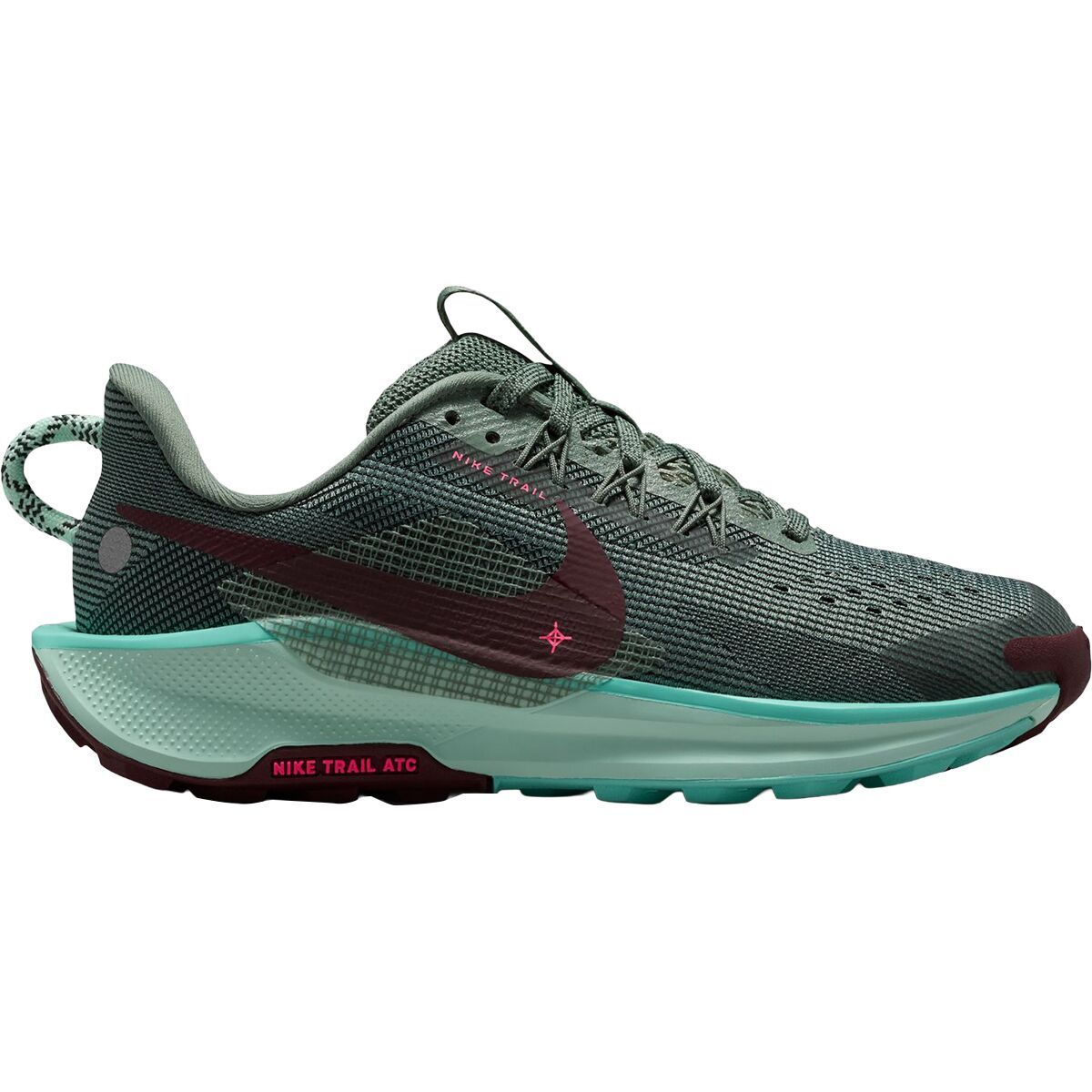
Nike Pegasus Trail 5
Our go-to trail-capable training shoe. React foam + sticky outsole.