Regular bike maintenance isn't just about keeping your ride smooth—it's about safety, performance, and protecting your investment. A well-maintained bike shifts crisply, brakes confidently, and lasts for years. This comprehensive checklist covers everything from pre-ride safety checks to annual overhauls, helping you keep your bicycle in top condition.
Why Bike Maintenance Matters
Safety
Prevent brake failures, wheel issues, and mechanical problems that cause crashes
Performance
Smooth shifting, efficient pedaling, and reliable components every ride
Longevity
Save money by catching wear early before expensive damage occurs
The Cost of Neglect
- • Worn chain (not replaced): $20 fix becomes $300+ drivetrain replacement
- • Worn brake pads: Destroys $80+ rotors or $50+ wheel rims
- • Loose bolts: Can cause crashes and frame/component damage
- • Dirty drivetrain: Reduces efficiency by 3-5 watts, accelerates wear
Essential Maintenance Tools
Basic Tool Kit
- • Hex key set (2, 2.5, 3, 4, 5, 6, 8mm)
- • Torx keys (T25, T30)
- • Tire levers (2-3)
- • Floor pump with pressure gauge
- • Chain lube (wet and dry types)
- • Degreaser
- • Cleaning brushes (stiff and soft)
- • Clean rags
Advanced Tool Kit
- • Torque wrench (2-25 Nm range)
- • Chain checker/wear gauge
- • Cable cutters
- • Chain breaker tool
- • Cassette lockring tool
- • Bottom bracket tool
- • Bike stand/repair stand
- • Bleed kit (for hydraulic brakes)
Investment tip: Quality tools last decades. Start with a basic kit ($50-100), add advanced tools as needed. A torque wrench ($40-80) is essential for carbon components and prevents expensive damage.
Pre-Ride Safety Checklist (ABC Quick Check)
Before every ride, spend 60 seconds on this quick safety inspection:
ABC Quick Check
Weekly Maintenance Checklist
After every 100-150 miles or weekly (whichever comes first):
| ✓ | Task | Details |
|---|---|---|
| ☐ | Clean chain | Wipe with rag, apply fresh lube, wipe excess |
| ☐ | Check tire pressure | Use gauge, inflate to recommended PSI |
| ☐ | Inspect tires | Remove embedded glass/debris, check for cuts |
| ☐ | Test brakes | Check lever feel and stopping power |
| ☐ | Check shifting | Run through all gears, note any hesitation |
| ☐ | Wipe down frame | Quick clean of frame, fork, wheels |
Monthly Deep Inspection
Once per month or every 300-500 miles, perform a thorough inspection:
| ✓ | Task | Details |
|---|---|---|
| ☐ | Check chain wear | Use chain checker—replace at 0.5% (0.75% for 12-speed) |
| ☐ | Deep clean drivetrain | Degrease chain, cassette, chainrings, derailleur pulleys |
| ☐ | Inspect brake pads/rotors | Check pad thickness, rotor wear, contamination |
| ☐ | Check all bolts | Stem, bars, seatpost, saddle, bottle cages—use torque wrench |
| ☐ | Check wheel trueness | Spin wheels, look for side-to-side wobble |
| ☐ | Inspect cables/housing | Look for fraying, kinks, rust |
| ☐ | Check headset | Apply front brake, rock bike—no play should be felt |
| ☐ | Check bottom bracket | No side play or gritty feeling when spinning cranks |
| ☐ | Inspect frame | Look for cracks, dents, paint chips (especially on carbon) |
Seasonal/Annual Service
Every 6-12 months or 2,000-3,000 miles, perform or have a shop perform these services:
Annual Service Tasks
- • Full drivetrain service: New chain (minimum), assess cassette/chainring wear
- • Brake system: Bleed hydraulic brakes, replace cables on mechanical
- • Bearings: Service headset, bottom bracket, wheel hubs
- • Cables and housing: Replace all shift and brake cables
- • Suspension: Full service on forks and shocks (MTB)
- • Bar tape/grips: Replace worn tape or grips
- • Tubeless: Fresh sealant, check tire condition
Pro Tip: Pre-Season Tune-Up
Schedule your annual service in late winter/early spring before shop busy season. You'll get faster turnaround and your bike will be ready for prime riding season.
Chain Care: Your Most Important Task
The chain is the most maintenance-critical component. A worn chain destroys expensive cassettes and chainrings. Proper care is simple and saves hundreds of dollars.
Chain Lubrication Steps
Dry Lube
Best for: Dry, dusty conditions
- • Stays cleaner, attracts less grit
- • Washes off in rain—reapply after wet rides
- • Apply more frequently (every 100-150 miles)
Wet Lube
Best for: Wet, muddy conditions
- • Stays put in rain and mud
- • Attracts more dirt—needs more cleaning
- • Lasts longer between applications
Chain Wear and Replacement
| Chain Wear | Action | Consequence If Ignored |
|---|---|---|
| 0.5% (0.5mm stretch) | Replace chain now | Cassette still fine |
| 0.75% | Replace immediately | Cassette damage starting |
| 1.0%+ | Chain + cassette + possibly chainrings | New chain will skip on worn cogs |
Brake Service
Disc Brake Maintenance
- • Check pad thickness monthly (min 1.5mm)
- • Clean rotors with isopropyl alcohol
- • Never touch rotor surface with fingers
- • Bleed annually or when lever feels spongy
- • Replace rotors when below minimum thickness
- • Bed in new pads properly before hard use
Rim Brake Maintenance
- • Check wear indicator grooves
- • Clean rim braking surface regularly
- • Remove embedded grit from pads
- • Check cable tension monthly
- • Replace cables annually
- • Toe-in pads slightly for quiet operation
Brake Warning Signs
- • Squealing or grinding noise
- • Lever pulls close to handlebar
- • Reduced stopping power
- • Pulsing or vibration when braking
- • Contamination (oily residue on pads/rotors)
Tire Care and Pressure
| Tire Type | Typical Width | Pressure Range |
|---|---|---|
| Road | 23-28mm | 70-100 PSI |
| Gravel | 35-45mm | 30-50 PSI |
| Mountain (XC) | 2.0-2.4" | 25-35 PSI |
| Mountain (Trail/Enduro) | 2.3-2.6" | 20-30 PSI |
Tire Care Tips
- • Check pressure before every ride (tires lose 5-10 PSI weekly)
- • Heavier riders use higher pressure; lighter riders use lower
- • Inspect tread for wear, cuts, embedded debris after each ride
- • Replace tires when center tread wears flat or casing shows
- • Tubeless: Add fresh sealant every 3-6 months
Complete Drivetrain Service
Monthly Deep Clean Process
The gear these numbers assume
Every pace, zone and power figure on this page assumes something is measuring it. These are the three that cover running, cycling and the threshold work in between.
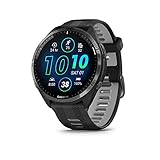 Garmin Forerunner 965
Multisport with the training-load and threshold metrics most of these calculations assume you can actually see day to day.
Check Backcountry → Check price on Amazon → COROS APEX 2 Series GPS Watch
Sapphire titanium and the longest battery in its class, which is the deciding feature once sessions run past a few hours.
Check Backcountry → Check price on Amazon → Favero Assioma Uno Power Meter Pedal
Single-sided pedal power, the cheapest honest way to start training with watts instead of estimating from heart rate.
Check Backcountry → Check price on Amazon →As an Amazon Associate we earn from qualifying purchases, at no extra cost to you. Prices change, so check before buying.
Bike Cleaning Guide
Quick Wash (Post-Ride)
5-10 minutes after every ride:
- Rinse with low-pressure water (never high-pressure)
- Wipe frame with damp cloth
- Dry chain, lube if needed
- Quick wipe of wheels and cockpit
Deep Clean (Weekly/Monthly)
30-45 minutes thorough cleaning:
- Remove wheels
- Degrease and clean drivetrain
- Wash frame with bike-specific soap
- Clean wheels, hubs, spokes
- Clean cockpit, seatpost, saddle
- Rinse thoroughly with low pressure
- Dry completely
- Lubricate chain and pivot points
- Apply frame polish/protectant (optional)
Never Do This
- • Never use high-pressure water (damages bearings, seals)
- • Never spray water directly into bottom bracket, headset, or hubs
- • Never use household degreasers (too harsh, may damage paint)
- • Never leave bike wet (causes rust and corrosion)
Component Wear Indicators
| Component | Replace When | Typical Lifespan |
|---|---|---|
| Chain | 0.5% wear (chain checker) | 1,500-3,000 miles |
| Cassette | Shark-fin teeth, skipping under load | 2-3 chains worth |
| Chainrings | Hooked teeth, chain suck | 5,000-10,000 miles |
| Brake Pads (Rim) | Wear grooves disappear | 1,000-3,000 miles |
| Brake Pads (Disc) | <1.5mm pad material remaining | 500-2,000 miles |
| Tires | Flat center, casing visible, frequent flats | 2,000-5,000 miles |
| Cables | Fraying, rust, sluggish shifting | Annually |
| Bar Tape | Worn through, slipping, dirty | Annually or as needed |
DIY vs Bike Shop Service
Do It Yourself
- • Chain lubrication and cleaning
- • Tire inflation and inspection
- • Brake pad replacement
- • Basic shifting adjustments
- • Bolt tightening
- • Cable tension adjustments
- • Bike cleaning
- • Bar tape replacement
Take to Bike Shop
- • Hydraulic brake bleeding
- • Wheel truing
- • Bottom bracket service
- • Headset service
- • Hub service
- • Suspension service
- • Internal cable routing
- • Carbon frame inspection
Printable Maintenance Schedule
Quick Reference Checklist
Before Every Ride
☐ Tire pressure ☐ Brakes ☐ Wheel security ☐ Quick visual check
Weekly
☐ Clean and lube chain ☐ Wipe frame ☐ Check tires for debris ☐ Test shifting
Monthly
☐ Check chain wear ☐ Deep clean drivetrain ☐ Inspect brake pads ☐ Check all bolts ☐ Wheel trueness ☐ Cable inspection
Annually
☐ Replace chain ☐ New cables ☐ Bleed brakes ☐ Service bearings ☐ Full tune-up
Frequently Asked Questions
How often should I service my bike?
Perform pre-ride safety checks before every ride, clean and lube the chain weekly, do a thorough inspection monthly, and get a professional tune-up annually or every 2,000-3,000 miles. More frequent riding or harsh conditions require more frequent service.
What tools do I need for basic bike maintenance?
Essential tools include: hex/Allen key set (2-8mm), tire levers, floor pump with gauge, chain lube, degreaser, cleaning brushes, chain checker tool, and a torque wrench. A multi-tool for on-the-road repairs is also essential.
How often should I replace my bike chain?
Replace chains when they reach 0.5% wear (0.75% for 12-speed) using a chain checker tool. This typically occurs every 1,500-3,000 miles depending on conditions and maintenance. Replacing worn chains early protects expensive cassettes and chainrings.
What PSI should my bike tires be?
Tire pressure depends on tire width and rider weight. Road bikes typically run 80-100 PSI, gravel bikes 35-50 PSI, and mountain bikes 25-35 PSI. Check the tire sidewall for min/max range and experiment within that range for comfort and grip.
How do I know if my brakes need replacing?
Replace rim brake pads when wear indicator grooves disappear. Replace disc brake pads when pad material is less than 1.5mm thick or the metal backing is visible. Signs include squealing, reduced stopping power, or lever pulling close to the handlebar.
Related Articles
Bike Computer Setup Guide
Configure Garmin, Wahoo, and sensors
Cycling Tire Selection
Choose the right tires for your riding
Indoor Trainer Setup
Train effectively indoors
FTP Calculator
Test and track your cycling fitness
Best Bike Pumps 2026
Floor pumps, mini pumps, and CO2 inflators
Best Bike Multi-Tools 2026
Essential roadside repair tools reviewed