Cadence—the rhythm of your movement—is one of the most discussed yet misunderstood aspects of running and cycling performance. From the legendary "180 steps per minute" rule for runners to debates about high-spin versus low-cadence cycling, athletes and coaches have strong opinions about optimal turnover rates. This comprehensive guide cuts through the myths to deliver science-based guidance on finding and training your optimal cadence for both sports.
What Is Cadence?
Cadence refers to the rate of turnover in cyclical movements—how many steps you take per minute while running, or how many times your pedals complete a revolution per minute while cycling.
Cadence Definitions
Running: Steps per minute (SPM) or strides per minute. Often counted as total steps (both feet) or single-leg contacts.
Cycling: Revolutions per minute (RPM). The number of complete pedal circles in 60 seconds.
Why Cadence Matters
Cadence, combined with stride length (running) or gear ratio (cycling), determines your speed. The relationship is simple:
Speed = Cadence × Stride Length (or Gear Inches)
You can go faster by increasing cadence, increasing stride/gear, or both.
But cadence isn't just about speed—it affects:
- Energy Efficiency: Different cadences have different metabolic costs
- Injury Risk: Lower cadence running often correlates with higher impact forces
- Muscle Fiber Recruitment: Cadence affects which muscle fibers are primarily activated
- Fatigue Patterns: Higher cadences may spare leg muscles but increase cardiovascular demand
Understanding Running Cadence
Running cadence typically ranges from 150-190+ steps per minute for recreational runners, with elite runners often exceeding 180 SPM at race pace. But these numbers only tell part of the story.
Factors That Influence Running Cadence
Running Speed
Faster running naturally increases cadence. A runner might have 165 SPM at easy pace and 185 SPM at 5K race pace.
Height & Leg Length
Taller runners typically have lower optimal cadences due to longer stride lengths. A 5'4" runner and 6'4" runner shouldn't have the same target.
Running Experience
Experienced runners naturally develop more efficient cadences over years of training. Beginners often undershoot.
Terrain
Uphill running increases cadence while decreasing stride length. Downhill may increase stride but should maintain cadence.
The 180 Steps Per Minute Myth
The "180 cadence" rule has become running gospel, but it's based on a misunderstanding of the original research.
The Origin Story
Jack Daniels observed that elite runners at the 1984 Olympics had cadences of 180+ SPM at race pace. This observation was generalized into a recommendation that all runners should target 180 SPM—a conclusion the data didn't actually support.
Why 180 Isn't Magic
- Elite runners at race pace: The 180+ observation was made during competition, not easy running. The same runners likely had lower cadences during training.
- Individual variation: Optimal cadence varies by 20-30 SPM between individuals of different heights and builds.
- Speed dependency: Cadence should increase with pace. Targeting 180 at all speeds doesn't make physiological sense.
- Research limitations: Subsequent studies show that self-selected cadence is often close to metabolically optimal for trained runners.
What Research Actually Shows
Studies indicate that increasing cadence by 5-10% above self-selected rate reduces impact loading on joints, but forcing dramatically higher cadences may actually reduce efficiency. The best approach: gradual, modest increases if your current cadence is below typical ranges.
Finding Your Optimal Running Cadence
Cadence by Running Pace
| Running Pace | Typical Cadence Range | Notes |
|---|---|---|
| Easy/Recovery | 160-170 SPM | Lower is natural at slow paces |
| Steady/Tempo | 170-180 SPM | Moderate increase from easy |
| Threshold/10K Pace | 175-185 SPM | Race-like intensity |
| 5K Race Pace | 180-190 SPM | High turnover for speed |
| Sprint/Kick | 190-210+ SPM | Maximum turnover |
Height-Based Cadence Guidelines
| Height | Easy Pace Target | Race Pace Target |
|---|---|---|
| Under 5'4" (163cm) | 170-180 SPM | 185-195 SPM |
| 5'4" - 5'10" (163-178cm) | 165-175 SPM | 180-190 SPM |
| Over 5'10" (178cm) | 160-170 SPM | 175-185 SPM |
How to Improve Running Cadence
If your cadence is significantly below recommended ranges (more than 10-15 SPM), gradual improvement may benefit your running economy and injury resilience.
The 5% Rule
Research suggests increasing cadence by about 5% at a time. If you currently run at 160 SPM, target 168 SPM initially. Allow 2-4 weeks of adaptation before making further changes. Larger jumps can disrupt running economy and increase injury risk.
Cadence Training Methods
Metronome Training
Use a metronome app set to your target cadence. Run with the beat for portions of your easy runs. Start with 5-10 minutes and gradually extend.
Music Tempo Matching
Create playlists with songs at your target BPM (cadence). Match your footfalls to the beat. Apps like Spotify can filter songs by tempo.
Downhill Strides
Gentle downhill running naturally increases cadence. Practice quick, light steps on slight declines to groove the pattern.
Cadence Counting Intervals
Count steps for 30 seconds at various points during runs. Multiply by 2 for SPM. Awareness alone often improves cadence.
Understanding Cycling Cadence
Cycling cadence has been debated since the days of Jacques Anquetil (who favored high cadence) versus Jan Ullrich (who powered bigger gears at lower RPM). Modern research provides clearer answers.
The Physiology of Pedaling
High Cadence (90-100+ RPM)
- • Lower force per pedal stroke
- • Less muscular fatigue
- • Higher cardiovascular demand
- • Better for long events
- • Spares fast-twitch fibers
Low Cadence (70-85 RPM)
- • Higher force per pedal stroke
- • More muscular demand
- • Lower cardiovascular cost
- • Better for climbing some athletes
- • Recruits more fast-twitch fibers
High Cadence vs Low Cadence Cycling
The Chris Froome Effect
Chris Froome's Tour de France victories highlighted the high-cadence approach—spinning at 100+ RPM even on steep climbs. But this style isn't universally optimal.
Individual Optimization
Research shows that self-selected cadence is typically 10-15 RPM below the most mechanically efficient cadence, but closer to the metabolically optimal cadence. In other words, your body often knows best—though small increases may benefit some riders.
When to Use Different Cadences
| Situation | Recommended Cadence | Reason |
|---|---|---|
| Flat terrain, sustained | 85-95 RPM | Balance of efficiency |
| Time trial | 90-100 RPM | Higher for aerobic sustainability |
| Climbing (moderate) | 75-90 RPM | Gear and gradient dependent |
| Climbing (steep) | 65-80 RPM | Gearing limitations |
| Sprint | 100-130+ RPM | Maximum power output |
| Triathlon (before run) | 90-100 RPM | Spare leg muscles |
Finding Your Optimal Cycling Cadence
The Self-Assessment Protocol
Try this workout to find your preferred cadence:
- Warm up thoroughly (15 minutes easy spinning)
- Ride 5 minutes at steady power (70% FTP) at 75 RPM
- Recover 3 minutes easy
- Repeat at the same power but 85 RPM, then 95 RPM, then 105 RPM
- Note which cadence felt most sustainable and comfortable
- Track heart rate and RPE at each cadence for comparison
Rider Type Considerations
- Time Trialists: Often benefit from higher cadences (90-100) due to sustained aerobic demands
- Climbers: Light riders may prefer higher cadences; heavier riders often grind at lower RPM
- Sprinters: Need high cadence capability for power, but may train at lower cadences
- Triathletes: Higher cadence preserves leg muscles for the run
- Track Cyclists: Event-dependent, from high cadence pursuits to explosive standing starts
Cadence Training Drills
Running Drills
Quick Feet Drill
On flat ground, run with extremely quick, short steps for 20-30 seconds. Aim for maximum turnover with minimal forward progress. Develops neuromuscular speed.
Cadence Ladder
During a run, increase cadence by 5 SPM every 2 minutes until reaching maximum, then step back down. Develops range and awareness.
Strides with Cadence Focus
During post-run strides, focus on quick turnover rather than speed. Keep ground contact time minimal.
Cycling Drills
Single-Leg Drills
Unclip one foot, pedal with the other for 30-60 seconds. Focus on eliminating dead spots in the pedal stroke. Switch legs. Improves efficiency at all cadences.
Spin-Ups
In easy gear, gradually increase cadence from 80 to maximum controllable RPM (120+) over 30-60 seconds. Hold max for 10 seconds. Develops neuromuscular efficiency.
Low Cadence Force Work
On moderate climb, drop cadence to 55-65 RPM at steady power. 3-5 x 5 minutes with recovery between. Builds muscular strength for harder efforts.
Cadence Pyramids
At steady power: 3 min at 80 RPM → 3 min at 90 → 3 min at 100 → 3 min at 90 → 3 min at 80. Same power throughout, only cadence changes.
Measuring and Tracking Cadence
Running Cadence Measurement
- GPS Watch: Most modern running watches track cadence via built-in accelerometers
- Foot Pod: External sensors provide highly accurate cadence data
- Manual Count: Count steps for 30 seconds and multiply by 2
- Running Power Meters: Stryd and similar devices include cadence
Cycling Cadence Measurement
- Crank-Based Sensors: Attach to crank arm, highly accurate
- Power Meters: Most include cadence measurement
- Smart Trainers: Indoor trainers track cadence automatically
- Bike Computers: Display and record cadence from paired sensors
Cadence Adjustments for Terrain
Running Terrain Adjustments
| Terrain | Cadence Adjustment | Technique Notes |
|---|---|---|
| Uphill | Maintain or increase slightly | Shorten stride, quick turnover |
| Downhill | Maintain (resist overstriding) | Quick feet, controlled speed |
| Trail/Technical | Higher for quick reactions | Short steps for agility |
| Sand/Soft Surface | Higher to avoid sinking | Light, quick touches |
Cycling Terrain Adjustments
| Terrain | Cadence Adjustment | Gearing Strategy |
|---|---|---|
| Flat, steady | 85-95 RPM (self-selected) | Find comfortable gear |
| Gradual climb (3-5%) | 80-90 RPM | Shift early, maintain rhythm |
| Steep climb (8%+) | 65-80 RPM | Lowest gear as needed |
| Descent | Variable (coast vs pedal) | Big gear if pedaling |
| Headwind | Slightly higher (85-95) | Easier gear, spin through |
Common Cadence Mistakes
1. Forcing Unnatural Cadence
Dramatically changing cadence overnight creates inefficiency and potential injury. Make changes gradually—5% at a time, with weeks of adaptation.
2. Ignoring Speed-Cadence Relationship
Expecting the same cadence at all speeds is unrealistic. Cadence should naturally increase as pace increases.
3. Obsessing Over Numbers
Cadence is one variable among many. An extra 5 SPM won't compensate for poor training, nutrition, or recovery. Keep perspective.
4. Applying Cycling Logic to Running (or Vice Versa)
The two sports have different optimal ranges and considerations. What works for your bike may not translate to running.
5. Neglecting Cadence Variability
Being able to change cadence is valuable. Train a range of cadences, not just one fixed number.
Conclusion: Finding Your Rhythm
Optimal cadence is individual—influenced by your height, experience, speed, terrain, and physiology. While general guidelines provide useful starting points, the best cadence for you is one that balances efficiency, injury prevention, and sustainability for your specific situation.
For runners, modest increases toward recommended ranges can reduce injury risk and improve economy. For cyclists, developing the ability to ride at various cadences provides tactical flexibility and optimal performance across different terrain.
Start by measuring your current cadence, compare it to guidelines, and make gradual adjustments if needed. With consistent practice, optimal cadence becomes automatic—freeing your mind to focus on the joy of movement.
Calculate Your Training Zones
Use our pace and power calculators to optimize all aspects of your training.
Explore CalculatorsRunBikeCalc Team
Expert biomechanics and training science for runners, cyclists, and multisport athletes.
📊 Track Your Progress
Use our free calculators to monitor your fitness:
Featured at Backcountry — 15% off first order
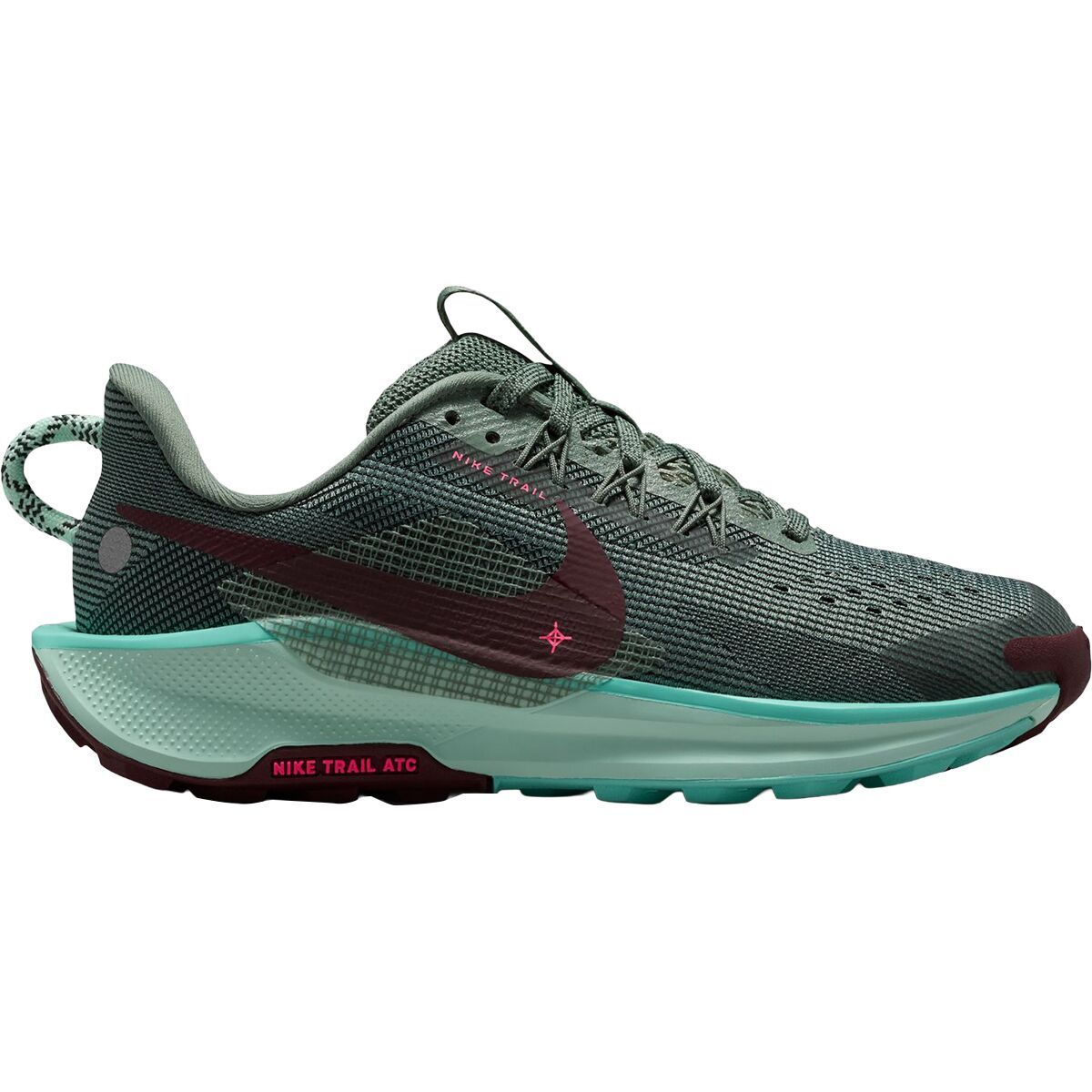
Nike Pegasus Trail 5
Our go-to trail-capable training shoe. React foam + sticky outsole.