Table of Contents
Self-myofascial release (SMR) through foam rolling has become an essential recovery tool for endurance athletes. Research shows that regular foam rolling can improve range of motion, reduce delayed onset muscle soreness (DOMS), and enhance recovery between training sessions. This comprehensive guide covers everything from the science behind SMR to detailed protocols for every muscle group.
1. The Science of Self-Myofascial Release
Understanding how foam rolling works helps you apply it more effectively. The mechanisms involve both mechanical and neurological components that work together to improve tissue quality and function.
What is Fascia?
Fascia is a web of connective tissue that surrounds every muscle, bone, nerve, and organ in your body. This three-dimensional matrix provides structural support, transmits force, and plays a crucial role in proprioception. When healthy, fascia slides smoothly; when restricted, it can limit movement and cause pain.
Types of Fascial Tissue
- Superficial fascia: Just below the skin, contains fat and water
- Deep fascia: Dense layer surrounding muscles and bone
- Visceral fascia: Surrounds internal organs
- Myofascia: The fascia specifically surrounding muscles
How Foam Rolling Works
Research has identified several mechanisms through which foam rolling produces its benefits:
Mechanical Effects
- Breaks up adhesions between tissue layers
- Increases tissue temperature through friction
- Improves fluid dynamics in tissue
- Mechanically deforms fascia (thixotropy)
Neurological Effects
- Stimulates mechanoreceptors
- Reduces muscle tone via autogenic inhibition
- Decreases pain perception
- Activates parasympathetic nervous system
Research-Backed Benefits
Studies have documented numerous benefits of regular foam rolling:
- Increased range of motion: 10-20% improvement without strength loss
- Reduced DOMS: Less muscle soreness 24-72 hours post-exercise
- Faster recovery: Improved performance in subsequent sessions
- Enhanced blood flow: Better nutrient delivery to tissues
- Improved arterial function: Better vascular health markers
2. Types of Foam Rollers & Tools
Choosing the right tool for the job makes your SMR practice more effective. Different tools serve different purposes based on the target area and desired intensity.
Foam Roller Density Levels
| Density | Best For | Characteristics |
|---|---|---|
| Soft (White) | Beginners, sensitive areas | Compresses easily, gentle pressure |
| Medium (Blue/Green) | Most users, daily maintenance | Balanced firmness, versatile |
| Firm (Black) | Experienced users, deep work | Minimal compression, intense |
| Extra Firm/Textured | Targeted trigger points | Ridges/bumps for precision |
Specialized SMR Tools
Massage Balls
Lacrosse balls, tennis balls, or specialized massage balls for pinpoint pressure on trigger points. Essential for areas like glutes, feet, and upper back.
Best for: Piriformis, plantar fascia, pec minor
Massage Sticks
Handheld rolling sticks allow controlled pressure without supporting body weight. Great for calves, quads, and IT band.
Best for: Targeted pressure control
Vibrating Rollers
Add vibration to enhance blood flow and reduce pain perception. Research shows additional benefits over standard rolling.
Best for: Enhanced recovery, reduced discomfort
Percussion Devices
Massage guns deliver rapid percussion for deep tissue work. Efficient but can be intense for some areas.
Best for: Large muscle groups, time efficiency
Recommended Foam Rolling Equipment
3. Lower Body Rolling Protocols
For runners and cyclists, the lower body requires the most attention. These detailed protocols target every major muscle group in the legs and hips.
Quadriceps
The quadriceps are often tight in cyclists and runners. Roll all four heads of the muscle for complete coverage.
Technique:
- Start face down with roller under thighs
- Roll from hip to just above knee (avoid kneecap)
- Rotate leg inward to target vastus medialis
- Rotate leg outward to target vastus lateralis
- Pause on tender spots for 20-30 seconds
Duration: 60-90 seconds per leg
IT Band
The IT band itself cannot be stretched or "released" but rolling the surrounding tissue improves function.
Technique:
- Lie on your side with roller under outer thigh
- Stack or stagger legs to control pressure
- Roll from hip to just above knee
- Focus on TFL and vastus lateralis (adjacent muscles)
- Use slow, controlled movements
Duration: 60-90 seconds per leg
Hamstrings
Technique:
- Sit with roller under thighs, hands behind for support
- Lift hips and roll from glutes to back of knee
- Cross one ankle over the other for more pressure
- Rotate leg to target medial and lateral hamstrings
- A ball works better for targeted pressure
Duration: 60-90 seconds per leg
Calves (Gastrocnemius & Soleus)
Technique:
- Sit with roller under calves, hands behind for support
- Lift hips and roll from Achilles to behind knee
- Cross ankles for more pressure
- Rotate foot in/out to target different areas
- Flex and extend ankle while on tender spots
Duration: 60-90 seconds per leg
Glutes & Piriformis
Use a massage ball for better access to the deep gluteal muscles and piriformis.
Technique:
- Sit on foam roller or ball, cross one ankle over opposite knee
- Lean toward the crossed leg side
- Roll entire gluteal region
- For piriformis, find tender spot deep in glute and hold
- Small circular motions on trigger points
Duration: 90-120 seconds per side
Hip Flexors & TFL
Technique:
- Lie face down with roller at front of hip
- One leg extended, other bent out to side
- Small movements to target psoas and iliacus
- Move laterally for TFL
- Be gentle - these are sensitive areas
Duration: 60 seconds per side
Plantar Fascia
Technique:
- Use a golf ball, lacrosse ball, or frozen water bottle
- Stand or sit with ball under foot
- Roll from heel to ball of foot
- Apply moderate pressure - shouldn't be painful
- Target arch and heel attachment
Duration: 60-90 seconds per foot
4. Upper Body Rolling Protocols
Upper body work is essential for cyclists (aerodynamic positioning) and runners (arm swing efficiency). Don't neglect these areas.
Thoracic Spine
Thoracic mobility is crucial for breathing efficiency and proper posture during endurance activities.
Technique:
- Lie on back with roller perpendicular to spine
- Support head with hands, keep core engaged
- Roll from mid-back to upper back (not lower back)
- Extend over roller at each level for mobility
- Move slowly, pausing at restricted segments
Duration: 60-90 seconds
Lats (Latissimus Dorsi)
Technique:
- Lie on side with roller under armpit
- Arm extended overhead
- Roll from armpit to mid-ribcage
- Rotate slightly forward and back
- Thumb up to externally rotate shoulder
Duration: 60 seconds per side
Pectorals
A massage ball against a wall works best for the chest muscles.
Technique:
- Stand facing wall with ball on chest
- Roll from sternum toward shoulder
- Target pec minor (below collarbone)
- Move arm while maintaining pressure
- Avoid direct pressure on collarbone
Duration: 60 seconds per side
Upper Traps & Neck
Technique:
- Use a massage ball against wall
- Stand with ball between shoulder blade and spine
- Roll from top of shoulder to mid-back
- For neck: lie on back with ball at base of skull
- Gentle nodding movements for suboccipitals
Duration: 60-90 seconds per side
5. Trigger Point Therapy Techniques
Trigger points (also called knots) are hyperirritable spots in muscle tissue that cause local and referred pain. Targeted treatment can provide significant relief.
Identifying Trigger Points
Signs of a Trigger Point:
- Localized tenderness or nodule
- Reproduces familiar pain pattern when pressed
- Taut band of muscle fibers
- Pain that refers to another area
- Jump sign (involuntary flinch when pressed)
Treatment Protocol
Follow this systematic approach for treating trigger points:
- Locate: Roll slowly until you find a tender spot
- Pressure: Apply sustained pressure (5-7 on 1-10 pain scale)
- Hold: Maintain pressure for 30-90 seconds
- Release: Wait for tissue to soften or pain to decrease by 50%
- Move: Contract-relax the muscle while maintaining pressure
- Repeat: Move to next trigger point in the area
Common Trigger Point Locations for Athletes
| Location | Referral Pattern | Common Cause |
|---|---|---|
| Piriformis | Buttock, posterior thigh | Running, cycling position |
| Upper Trap | Neck, temple, behind eye | Aero position, tension |
| Quadratus Lumborum | Low back, hip, groin | Leg length discrepancy |
| Gastrocnemius | Back of knee, arch of foot | Running, hill work |
| TFL | Outer hip, down IT band | Running gait issues |
6. When to Foam Roll: Timing Strategies
When you foam roll matters. The timing affects both the immediate and long-term benefits you receive.
Pre-Workout Rolling
Purpose:
Increase blood flow, improve range of motion, prepare tissues for work
Guidelines:
- Keep it brief: 30-60 seconds per muscle group
- Use dynamic rolling (continuous movement)
- Follow with dynamic stretching and activation
- Focus on areas that feel restricted
- Don't over-roll before intense sessions
Post-Workout Rolling
Purpose:
Enhance recovery, reduce DOMS, restore tissue quality
Guidelines:
- More thorough: 1-2 minutes per muscle group
- Include trigger point work
- Target muscles used in workout
- Combine with static stretching
- Wait 10-15 minutes post-workout to cool down first
Stand-Alone Recovery Sessions
Purpose:
Comprehensive tissue maintenance, address chronic issues
Guidelines:
- 15-30 minute sessions
- Full body approach
- Include mobility work
- Evening is often best (enhances sleep)
- Can do while watching TV or relaxing
Research Note
Studies show foam rolling performed immediately after exercise and 24-48 hours later provides the greatest reduction in DOMS. Consistent daily rolling produces better results than sporadic deep sessions.
7. Sport-Specific Routines
Different sports stress different tissues. Use these targeted routines based on your primary activity.
Runner's Routine (15 minutes)
- Plantar fascia - 60 sec each foot (ball)
- Calves - 90 sec each leg
- Tibialis anterior (shin) - 60 sec each leg
- Quads - 90 sec each leg
- IT band/TFL - 60 sec each side
- Hamstrings - 60 sec each leg
- Glutes/Piriformis - 90 sec each side (ball)
- Hip flexors - 60 sec each side
- Thoracic spine - 60 sec
Cyclist's Routine (15 minutes)
- Quads (especially rectus femoris) - 120 sec each leg
- Hip flexors/Psoas - 90 sec each side
- IT band/TFL - 60 sec each side
- Glutes - 90 sec each side
- Thoracic spine - 90 sec
- Lats - 60 sec each side
- Pecs - 60 sec each side (ball)
- Upper traps - 60 sec each side (ball)
- Forearms - 30 sec each (for grip fatigue)
Triathlete's Routine (20 minutes)
- Plantar fascia - 60 sec each foot
- Calves - 60 sec each leg
- Quads - 90 sec each leg
- Hamstrings - 60 sec each leg
- IT band/TFL - 60 sec each side
- Hip flexors - 60 sec each side
- Glutes/Piriformis - 90 sec each side
- Thoracic spine - 90 sec
- Lats - 60 sec each side
- Pecs - 60 sec each side
- Upper traps/neck - 60 sec each side
8. Common Mistakes to Avoid
Avoid these common errors to get the most from your foam rolling practice and prevent injury.
Rolling Too Fast
Fast rolling doesn't allow tissue to respond. Move slowly (1 inch per second) to let fascia release.
Applying Too Much Pressure
Pain beyond 7/10 causes muscles to guard. More pressure isn't better - find the sweet spot.
Rolling Directly on Bones/Joints
Never roll on the spine (roll beside it), kneecaps, or other bony prominences. This can cause injury.
Rolling the Lower Back
The lumbar spine lacks the protective ribcage. Roll the glutes and hip flexors instead to address low back issues.
Spending Too Long on One Area
More than 2 minutes on one spot can cause bruising or excessive inflammation. Move on after 90-120 seconds.
Rolling Acute Injuries
Avoid rolling directly on recently injured tissue (first 72 hours). This can worsen inflammation.
Holding Your Breath
Breathe deeply and slowly throughout. Holding breath increases tension and reduces effectiveness.
When NOT to Foam Roll
- Over acute injuries, open wounds, or bruises
- Areas with peripheral neuropathy or numbness
- Over blood clots or varicose veins
- During pregnancy (some areas)
- On areas with skin conditions or infections
- If you have osteoporosis (use caution, consult doctor)
- On areas with cancer or tumors
9. Frequently Asked Questions
Should I foam roll before or after a workout?
Both have benefits. Pre-workout rolling should be brief (30-60 seconds per muscle) and dynamic to increase blood flow without reducing muscle activation. Post-workout rolling can be longer (1-2 minutes per area) to aid recovery and reduce muscle tension.
How long should I foam roll each muscle?
Research suggests 30-120 seconds per muscle group is optimal. Spend more time on areas with trigger points or adhesions. Total foam rolling sessions typically last 10-15 minutes for full body work.
Is foam rolling supposed to hurt?
Foam rolling should feel like "good discomfort" - uncomfortable but not painful. On a 1-10 scale, aim for 5-7. Sharp pain indicates too much pressure or an area that needs professional attention. Never roll directly on bones or joints.
Can foam rolling replace stretching?
No, foam rolling and stretching serve different purposes. Foam rolling addresses fascial adhesions and trigger points while stretching increases muscle length. Both should be included in a complete recovery routine for optimal results.
What type of foam roller should I buy?
Beginners should start with a medium-density smooth roller. As you adapt, progress to firmer or textured rollers for deeper tissue work. Vibrating rollers can enhance benefits. Consider size: 36-inch for full back work, 18-inch for travel.
How often should I foam roll?
Daily foam rolling produces the best results. Even 5-10 minutes daily is more effective than one long weekly session. During heavy training blocks, roll after every workout and consider a longer session on rest days.
Conclusion
Foam rolling and self-myofascial release are powerful tools for every endurance athlete's recovery arsenal. When performed correctly and consistently, these techniques can improve range of motion, accelerate recovery, reduce injury risk, and help you perform at your best.
Start with the basics: a medium-density foam roller and 10-15 minutes after each workout. As you develop your practice, add specialized tools and techniques for problem areas. Remember that consistency trumps intensity - regular, moderate rolling produces better results than occasional aggressive sessions.
Key Takeaways
- Roll slowly (1 inch per second) for 30-120 seconds per muscle
- Maintain discomfort at 5-7 on a 10-point scale
- Never roll directly on bones, joints, or the lower back
- Daily rolling is more effective than sporadic long sessions
- Combine foam rolling with stretching for complete recovery
- Use appropriate tools for different body areas
Related Tools & Calculators
Featured at Backcountry — 15% off first order
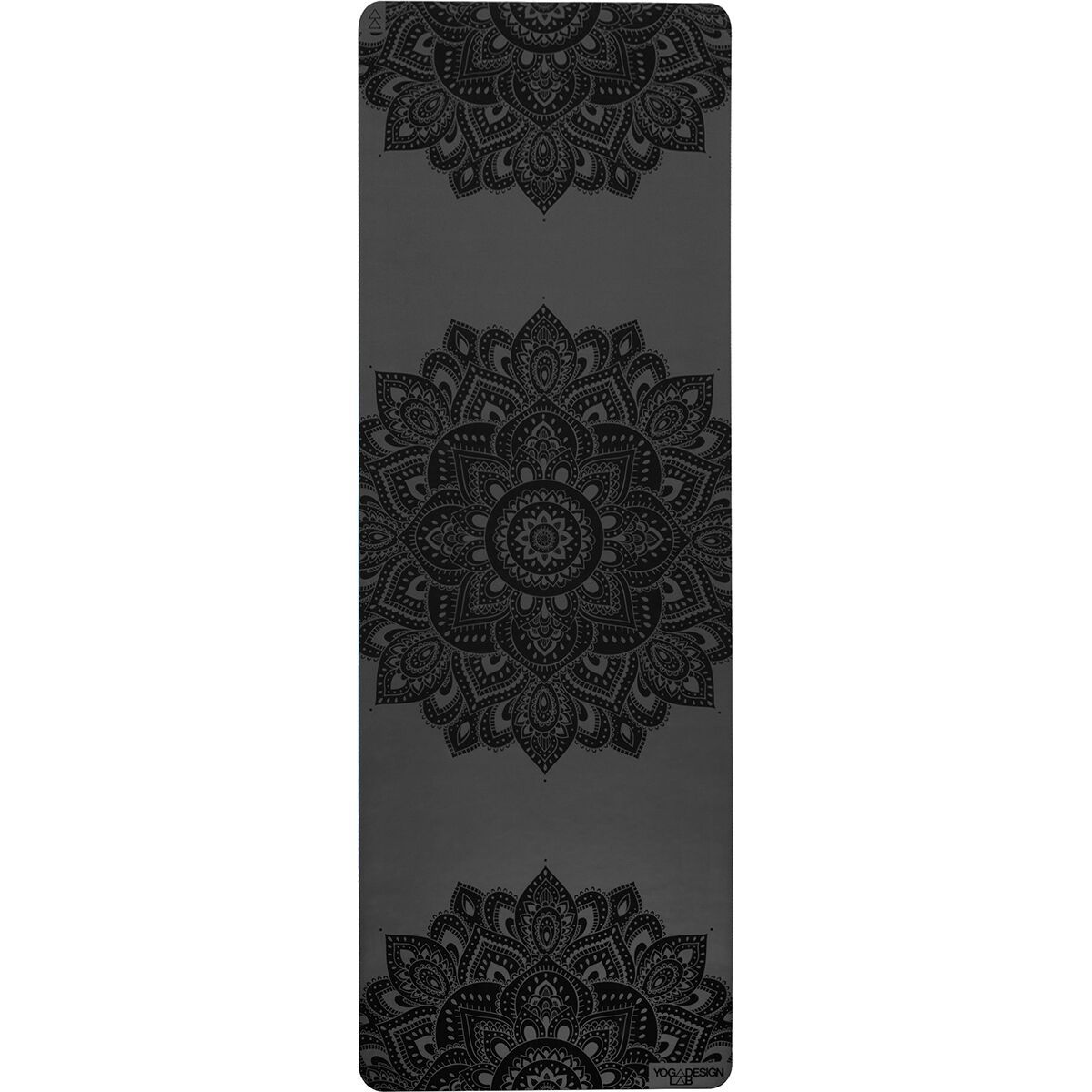
Yoga Design Lab Infinity Mat
Recovery starts with stretching. Our favorite mat for mobility work.