Training and competing in hot conditions presents one of the greatest physiological challenges in endurance sports. The body's thermoregulatory demands can dramatically impact performance, reducing power output, impairing pacing judgment, and increasing injury risk. However, with proper heat acclimatization, athletes can transform this limitation into a competitive advantage. This comprehensive guide reveals the science-backed protocols that elite athletes use to perform at their best when temperatures soar.
Key Insight
Properly heat-acclimatized athletes can maintain performance in conditions that would cause a 15-20% performance decline in unacclimatized individuals. The physiological adaptations are measurable, predictable, and achievable with consistent training.
Understanding Heat Physiology
When you exercise in heat, your body faces competing demands: muscles require blood flow for performance, while skin requires blood flow for cooling. This cardiovascular strain, known as the "thermal challenge," forces trade-offs that directly impact athletic performance.
Core Temperature Regulation
Your body generates metabolic heat proportional to exercise intensity. During moderate running, heat production increases 10-15 times above resting levels. This heat must be dissipated to maintain core temperature below the critical threshold of approximately 40°C (104°F).
The primary cooling mechanisms include:
- Evaporative cooling: Sweat evaporation accounts for 80% of heat loss during exercise in warm conditions
- Convective cooling: Airflow across skin surface (significant in cycling, less so in running)
- Radiative cooling: Heat radiation to cooler surroundings (minimal when ambient temperature exceeds skin temperature)
- Conductive cooling: Direct heat transfer to cooler objects or surfaces
The Performance Impact
Research consistently shows significant performance decrements in heat for unacclimatized athletes. A landmark 2010 study examining marathon performance found that every 5°C increase above 10°C was associated with a 0.3-0.5% increase in finishing time for elite runners and 3-5% for recreational runners.
| Temperature | Unacclimatized Impact | Acclimatized Impact |
|---|---|---|
| 70-75°F (21-24°C) | 3-5% performance loss | 1-2% performance loss |
| 75-80°F (24-27°C) | 6-10% performance loss | 3-5% performance loss |
| 80-85°F (27-29°C) | 10-15% performance loss | 5-8% performance loss |
| 85°F+ (29°C+) | 15-25%+ performance loss | 8-12% performance loss |
Acclimatization Adaptations
Heat acclimatization triggers a cascade of physiological adaptations that enhance thermoregulatory efficiency and maintain performance in hot conditions. These changes are remarkably consistent and predictable with proper training.
Cardiovascular Adaptations
Plasma Volume Expansion
One of the earliest and most significant adaptations is an increase in plasma volume of 10-15% within the first week of heat exposure. This expansion improves cardiac stroke volume, reduces heart rate at any given intensity, and enhances blood flow distribution between working muscles and skin.
Sweating Adaptations
The sweating response undergoes significant modifications during heat acclimatization:
- Earlier onset: Sweating begins at a lower core temperature, providing earlier cooling
- Increased rate: Maximal sweat rates can increase by 10-20%, reaching 2-3 liters per hour in well-trained athletes
- Improved distribution: Sweat becomes more evenly distributed across the body surface
- More dilute composition: Sodium concentration decreases by 50-60%, conserving electrolytes
Thermal Comfort Improvements
Beyond physiological changes, perceptual adaptations significantly impact performance. Heat-acclimatized athletes report lower ratings of perceived exertion (RPE), improved thermal comfort, and greater confidence in hot conditions. These psychological benefits often translate to better pacing decisions and stronger race performances.
Training Benefit: Interestingly, heat acclimatization provides performance benefits even in temperate conditions. The plasma volume expansion and improved cardiovascular efficiency translate to 4-8% improvements in VO2max and endurance capacity in cool weather.
Proven Training Protocols
The optimal heat acclimatization protocol balances sufficient heat stress to stimulate adaptations with manageable training loads that don't compromise overall fitness development. Research supports several evidence-based approaches.
The Standard Protocol (10-14 Days)
Days 1-3: Introduction Phase
- 30-45 minutes of easy aerobic exercise in heat
- Intensity: 50-60% max heart rate (conversational pace)
- Goal: Initial exposure without excessive stress
- Hydrate well before, during, and after sessions
Days 4-7: Building Phase
- 60-90 minutes of exercise in heat
- Intensity: Gradually increase to 65-75% max heart rate
- Include some steady-state aerobic work
- Monitor heart rate response and adjust as needed
Days 8-14: Quality Phase
- Include race-specific intensity sessions
- Practice race-day nutrition and hydration strategies
- Simulate competition conditions where possible
- Allow adequate recovery between high-stress days
Short-Term Protocol (5-7 Days)
When time is limited, a compressed protocol can still produce meaningful adaptations. This approach uses twice-daily heat exposure to accelerate the adaptation timeline:
- Morning: 45-60 minutes of easy exercise in heat
- Afternoon: 30-45 minutes of moderate exercise OR passive heat exposure (sauna)
- Focus on consistent daily exposure rather than session intensity
- Expect 60-75% of full acclimatization benefits
Indoor Heat Training Methods
Athletes in temperate climates or those preparing for hot-weather competitions can achieve significant heat acclimation through indoor methods. Research shows these approaches can produce 75-80% of the physiological benefits of natural heat acclimatization.
Overdressing Protocol
Training in extra layers is the most accessible indoor method. By wearing long sleeves, pants, and additional layers during indoor training, athletes can elevate core temperature and stimulate heat adaptations.
Recommended Gear for Indoor Heat Training
Quality heat training gear should trap heat while still allowing some moisture management. Consider these options:
- HOTSUIT Sauna Suit for Men for maximum heat retention
- Base layer plus fleece-lined tights and long sleeves
- Hat or beanie to reduce head heat dissipation
Post-Exercise Sauna Protocol
Post-exercise sauna bathing has emerged as one of the most effective indoor heat acclimation methods. The protocol leverages the already-elevated core temperature from exercise to extend heat exposure time.
Standard Protocol
- • Complete normal training session
- • Enter sauna (80-100°C) within 15 minutes
- • Stay for 25-30 minutes
- • Perform 3-4 times per week
- • Continue for 2-3 weeks minimum
Progressive Protocol
- • Week 1: 15-20 minutes post-exercise
- • Week 2: 25-30 minutes post-exercise
- • Week 3: 30-40 minutes (if tolerated)
- • Rehydrate immediately after
- • Track body weight changes
Hot Water Immersion
Hot water immersion (40-42°C/104-108°F) is another effective passive heat exposure method. This approach is particularly useful for athletes who don't have sauna access.
Research protocol: 40-minute immersion in 40°C water, performed within 30 minutes of completing exercise, 4-6 times over 2-3 weeks. This method produces comparable plasma volume expansion and sweating adaptations to traditional heat acclimatization.
Hydration Science and Strategies
Effective hydration is the cornerstone of hot-weather performance. The goal isn't simply to drink more, but to develop an individualized hydration strategy based on sweat rate, sodium losses, and practical logistics.
Determining Your Sweat Rate
Sweat rates vary dramatically between individuals and conditions, ranging from 0.5 to 3+ liters per hour. Knowing your personal rate is essential for planning fluid intake.
Sweat Rate Calculation
- Weigh yourself nude before exercise
- Exercise for 60 minutes at race intensity in race-like conditions
- Track all fluid consumed during exercise
- Weigh yourself nude immediately after (towel off sweat first)
- Calculate: Pre-weight - Post-weight + Fluid consumed = Hourly sweat rate
Example: 70kg pre, 68.5kg post, 500ml consumed = 1.5kg + 0.5L = 2.0L/hour sweat rate
Hydration Timing Strategies
Pre-Exercise Hydration
Begin hydrating 2-4 hours before exercise with 5-7ml per kg body weight. Add another 3-5ml/kg in the final 2 hours if urine is still dark. Avoid overdrinking, which can cause hyponatremia.
During Exercise
Aim to replace 60-80% of sweat losses during exercise. Complete replacement isn't practical or necessary for events under 3 hours. Practice your hydration strategy in training.
Post-Exercise Recovery
Replace 150% of fluid lost within 2-4 hours post-exercise. Include sodium (1.5g per liter) to optimize retention and restore plasma volume. Monitor urine color to confirm rehydration.
Electrolyte Management
Electrolytes—particularly sodium—play a critical role in fluid balance, muscle function, and heat tolerance. Getting electrolyte intake right is especially important for salty sweaters and athletes competing in prolonged hot events.
Understanding Sodium Losses
Sweat sodium concentration varies widely between individuals, ranging from 200-2000mg per liter of sweat. Signs of high sodium losses include:
- White salt stains on dark clothing after exercise
- Stinging eyes from sweat during exercise
- Salty taste when sweat enters mouth
- Post-exercise cramping despite adequate hydration
- Craving salty foods after long training sessions
Recommended Electrolyte Products
- LMNT Zero Sugar Electrolytes - 1000mg sodium, zero sugar
- Precision Hydration Electrolyte Tablets - Personalized electrolyte solutions
- Nuun Sport Tablets - Convenient tablet form
- SaltStick Electrolyte Capsules with Vitamin D - Portable salt capsules for racing
Practical Sodium Recommendations
| Duration | Average Sweater | Salty Sweater |
|---|---|---|
| <60 minutes | Plain water sufficient | 300-500mg sodium |
| 1-2 hours | 300-600mg sodium | 600-1000mg sodium |
| 2-4 hours | 500-1000mg/hour | 1000-1500mg/hour |
| 4+ hours | 700-1200mg/hour | 1200-1800mg/hour |
Pre-Cooling Methods and Protocols
Pre-cooling—lowering core and skin temperature before exercise—extends thermoregulatory capacity and delays heat-related performance decrements. Research consistently shows 3-7% performance improvements in hot conditions when effective pre-cooling is employed.
Ice Slurry Ingestion
Ice slurry (crushed ice mixed with water or sports drink) is one of the most effective pre-cooling methods due to its internal cooling effect. The phase change from ice to liquid absorbs significant heat from the body's core.
Ice Slurry Protocol
- Prepare: 7.5g ice slurry per kg body weight (500-600ml for 70kg athlete)
- Timing: Consume over 30 minutes, finishing 5-10 minutes before start
- Temperature: -1 to -2°C (partially frozen consistency)
- Expected core temperature reduction: 0.3-0.5°C
External Cooling Methods
Ice Vests
Ice vests provide sustained torso cooling and can be worn during warm-up. Aim for 20-30 minutes of wear before competition.
→ View Recommended Ice VestsCold Towels
Apply cold wet towels to neck, forearms, and thighs. These high skin-blood-flow areas provide efficient heat transfer.
→ View Cooling TowelsCombined Pre-Cooling Strategy
The most effective approach combines internal and external cooling:
- 60 minutes before: Stay in shade/air conditioning, begin ice vest wear
- 45-30 minutes before: Begin consuming ice slurry
- 30-15 minutes before: Apply cold towels to neck and arms during warm-up
- Final 10 minutes: Remove vest, finish ice slurry, splash cold water on face/wrists
- Starting line: Start with slightly cool sensation but not shivering
Race Day Execution in Heat
Even with proper heat acclimatization and pre-cooling, race day execution requires careful attention to pacing, cooling, and hydration. The following strategies will help you maximize performance when conditions are challenging.
Pacing Adjustments
The single most important race day decision in heat is conservative early pacing. Core temperature rises more steeply with aggressive early efforts, leaving less thermal headroom for the finishing push.
Critical Pacing Rule
Start 5-8% slower than goal pace in hot conditions. Athletes who even-split or negative-split hot races consistently outperform those who go out aggressively. Trust your fitness and let others fade.
Mid-Race Cooling Tactics
- Water dousing: Pour water over head and neck at aid stations—evaporation provides significant cooling
- Ice under hat: If wearing a cap, place ice cubes underneath for sustained cooling
- Sponges: Carry wet sponges to periodically cool neck, wrists, and forearms
- Wrist cooling: Submerge wrists in cold water when available—high blood flow area for efficient cooling
Heart Rate and Effort Management
In heat, the same effort level produces higher heart rates due to cardiovascular strain. Your pacing should be based on perceived effort or power output, not heart rate.
Heat Heart Rate Adjustment
Expect heart rate to be 10-20 beats higher at the same perceived effort in hot conditions. If using heart rate zones, shift all zones up by 5-10% when racing in heat. Better yet, race by effort and use heart rate only as a safety check for excessive cardiovascular strain.
Heat Safety Guidelines
Heat illness exists on a spectrum from mild heat cramps to life-threatening heat stroke. Understanding the warning signs and knowing when to stop is essential for safe hot-weather training and racing.
Recognizing Heat Illness
Heat Cramps (Mild)
Muscle spasms, usually in legs or abdomen
Action: Stop exercise, hydrate with electrolytes, stretch affected muscles
Heat Exhaustion (Moderate)
Heavy sweating, weakness, cold/clammy skin, nausea, dizziness, headache
Action: Stop immediately, move to shade, remove excess clothing, cool aggressively, hydrate
Heat Stroke (Emergency)
High body temperature (>104°F), altered mental state, confusion, hot/dry or sweating skin, rapid pulse
Action: Call 911 immediately, cool aggressively with ice/cold water immersion, do not give fluids if unconscious
Prevention Strategies
- Acclimatize properly: Never race in heat without adequate preparation
- Check conditions: Monitor wet bulb globe temperature (WBGT) not just air temperature
- Know your limits: Some individuals are more heat-sensitive; respect this
- Hydrate wisely: Neither under- nor over-hydrate; both are dangerous
- Sleep and recover: Heat tolerance decreases with fatigue and poor sleep
- Avoid alcohol: Alcohol impairs thermoregulation for 24+ hours
Post-Heat Training Recovery
Recovery from hot training sessions requires extra attention to restore fluid balance, replenish electrolytes, and allow the thermoregulatory system to recover.
Immediate Post-Exercise Protocol
- Weigh yourself: Determine total fluid loss during session
- Cool down gradually: Avoid immediate cold immersion, which can trap heat in core
- Begin rehydrating: Aim for 150% of fluid lost over 2-4 hours
- Include sodium: Add 1.5g sodium per liter of replacement fluid
- Eat a balanced meal: Include carbohydrates, protein, and sodium-containing foods
Signs of Adequate Recovery
- Return to pre-exercise body weight
- Light-colored urine (straw to pale yellow)
- Normal resting heart rate
- Good sleep quality
- Normal appetite and digestion
Pro Tip: Consider cold water immersion (15-20°C for 10-15 minutes) 1-2 hours after hot training to accelerate recovery. Avoid immediately after exercise to prevent trapping metabolic heat in the core.
Frequently Asked Questions
How long does heat acclimatization take?
Initial heat adaptations begin within 4-5 days, with most physiological adaptations complete by 10-14 days of consistent heat exposure. Full acclimatization for elite performance may require 3-4 weeks of progressive heat training.
What are the signs of heat acclimatization?
Key signs include earlier onset of sweating, increased sweat rate, more dilute sweat (conserving electrolytes), lower exercising heart rate, lower core temperature during exercise, improved thermal comfort, and enhanced exercise capacity in heat.
Can you heat acclimatize without hot weather?
Yes, heat acclimation can be achieved through indoor methods including overdressing during exercise, post-exercise hot water immersion or sauna use, and training in heated indoor environments. These methods can produce 75-80% of natural heat acclimatization benefits.
How much should I slow down in hot weather?
As a general guideline, slow pace by 1-2% for every 5°F (2.8°C) above 60°F (15.5°C). In extreme heat above 85°F, expect 10-20% pace reduction. Focus on effort level rather than pace, using heart rate or perceived exertion as your guide.
What is the best pre-cooling strategy for hot races?
The most effective pre-cooling combines ice slurry ingestion (7.5g/kg body weight) with external cooling methods like ice vests or cold towels. Begin cooling 30-60 minutes before start, aiming to reduce core temperature by 0.3-0.5°C without causing shivering or discomfort.
How long do heat adaptations last?
Heat adaptations begin declining after 2-3 days without heat exposure. Most adaptations are maintained for 1-2 weeks with minimal exposure, but are largely lost after 4 weeks without heat training. Maintain adaptations with 2-3 heat sessions per week.
Should I train through heat or avoid it?
Both approaches have merit. Training through heat develops adaptations but may compromise workout quality. A balanced approach: complete quality sessions in cool conditions (morning/evening), use midday heat for easy recovery runs and specific heat sessions.
Master the Heat, Dominate the Competition
Heat presents one of endurance sport's greatest challenges, but it also offers one of its greatest opportunities. While many athletes dread hot conditions and watch their performance suffer, those who commit to proper heat acclimatization gain a significant competitive advantage.
The physiological adaptations from heat training—expanded plasma volume, enhanced sweating efficiency, improved cardiovascular stability—translate to better performance not just in heat but across all conditions. Combined with strategic pre-cooling and smart race execution, heat acclimatization can transform a feared condition into a competitive strength.
Start your heat preparation early, be patient with the adaptation process, and always prioritize safety. The investment you make in heat training will pay dividends when the temperature rises and others fade.
Featured at Backcountry — 15% off first order
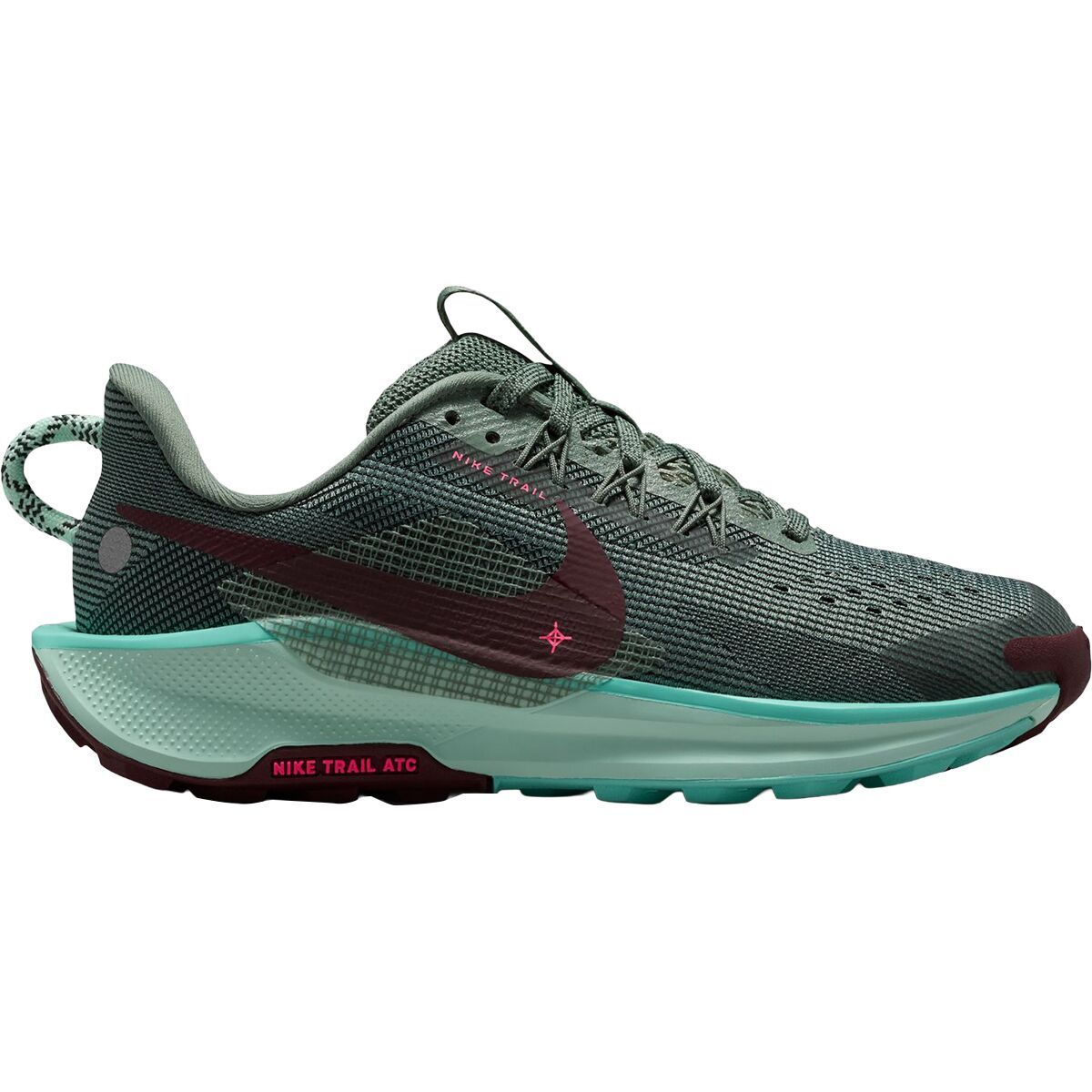
Nike Pegasus Trail 5
Our go-to trail-capable training shoe. React foam + sticky outsole.