Race Day Nutrition Timing 2026: Complete Guide to Pre-Race, During, & Post-Race Fueling
The difference between a personal record and hitting the wall often comes down to nutrition timing. Learn the exact science of when to eat before, during, and after your race for breakthrough performances.
Table of Contents
1. Why Nutrition Timing Matters for Performance
Your body can only store approximately 2,000 calories of glycogen - enough for about 90-120 minutes of intense exercise. After that, you're running on fumes unless you've mastered the art of nutrition timing. Research published in the International Journal of Sport Nutrition and Exercise Metabolism shows that proper fueling timing can improve endurance performance by 2-6%.
The Performance Impact
A 2024 meta-analysis found that athletes who optimized nutrition timing finished marathons an average of 8-12 minutes faster than those with suboptimal fueling strategies - regardless of training level.
The Science of Nutrient Timing
Your body processes nutrients differently depending on when you consume them relative to exercise:
- Gastric emptying rate: Slows by 30-50% during intense exercise
- Blood flow redistribution: GI tract receives less blood during racing
- Insulin sensitivity: Peaks in the hours before and after exercise
- Glycogen synthesis: Most efficient within 30-60 minutes post-exercise
- Muscle protein synthesis: Elevated for 24-48 hours after exercise
2. The Pre-Race Nutrition Timeline (72 Hours to Start)
72-48 Hours Before: Carbohydrate Loading Phase
For events lasting over 90 minutes, proper carb loading can increase muscle glycogen stores by 25-100%, providing crucial fuel reserves.
| Time Before Race | Carbs (g/kg body weight) | Fiber | Fat |
|---|---|---|---|
| 72-48 hours | 8-10g/kg | Reduce 20-30% | Reduce moderately |
| 48-24 hours | 8-12g/kg | Low (15-20g/day) | Low (20% calories) |
| 24-12 hours | 10-12g/kg | Minimal (<10g) | Minimal |
Carb Loading Example (70kg Athlete)
- Day -3: 560-700g carbohydrates (2,240-2,800 calories from carbs)
- Day -2: 560-840g carbohydrates
- Day -1: 700-840g carbohydrates
Best Carb Loading Foods
- White rice: 45g carbs per cup, easily digestible
- White bread/bagels: Quick energy, low fiber
- Pasta (white): 40g carbs per cup cooked
- Pancakes/waffles: 20-30g carbs each
- Pretzels: 45g carbs per 2 oz serving
- Fruit juice: Easy liquid carbs
- Sports drinks: Carbs plus electrolytes
3. Race Morning: The Critical 4-Hour Window
The pre-race meal is your final opportunity to top off glycogen stores and ensure stable blood sugar at the start line. Getting this wrong can derail your entire race.
The 3-4 Hour Pre-Race Meal
Optimal Pre-Race Meal Guidelines
- Timing: 3-4 hours before race start
- Carbohydrates: 1-4g per kg body weight
- Protein: 15-25g (optional, aids satiety)
- Fat: Minimal (<10g)
- Fiber: Minimal (<5g)
- Familiar foods only: Nothing new on race day!
| Athlete Weight | Low End (1g/kg) | Moderate (2g/kg) | High (4g/kg) |
|---|---|---|---|
| 55kg (121 lbs) | 55g carbs | 110g carbs | 220g carbs |
| 70kg (154 lbs) | 70g carbs | 140g carbs | 280g carbs |
| 85kg (187 lbs) | 85g carbs | 170g carbs | 340g carbs |
Sample Pre-Race Breakfast Options
Option 1: Classic (140g carbs)
- 2 plain bagels with honey
- 1 banana
- 8oz orange juice
- 2 eggs (optional protein)
Option 2: Oatmeal-Based (120g carbs)
- 1.5 cups oatmeal
- 2 tbsp maple syrup
- 1 banana, sliced
- 1 slice white toast with jam
The Final 60-Minutes Window
This window requires careful navigation to avoid blood sugar spikes and crashes at the start:
- 60-30 minutes before: Optional 30-50g carbs if needed (energy drink, gel)
- 30-15 minutes before: Sip on sports drink if desired
- 10-0 minutes before: Only water or electrolytes
Warning: The Reactive Hypoglycemia Window
Consuming high-glycemic carbs 15-45 minutes before exercise can cause reactive hypoglycemia - a blood sugar crash right as you start racing. Either eat earlier (60+ minutes) or closer to start (within 10 minutes).
4. During-Race Fueling: Hourly Requirements by Event
Your body can absorb 60-90g of carbohydrates per hour during exercise, but this requires training your gut. Research shows that athletes who practice race nutrition absorb 20-30% more fuel effectively.
Carbohydrate Requirements by Event Duration
| Event Duration | Carbs/Hour | Fueling Strategy |
|---|---|---|
| <45 minutes | Not needed | Water/mouth rinse only |
| 45-75 minutes | Optional 0-30g | Small amounts or carb rinse |
| 1-2 hours | 30-60g | 1-2 gels/hour or sports drink |
| 2-3 hours | 60-75g | 2-3 gels/hour or mixed sources |
| 3+ hours | 75-90g | Multiple sources, real food optional |
Optimal Fueling Timing During Race
The 20-30 Minute Rule
For maximum absorption and steady energy, consume fuel every 20-30 minutes rather than less frequent larger doses. This matches gastric emptying rates and prevents GI distress.
- Every 20 minutes: ~20-25g carbs per dose (ideal for high intensity)
- Every 30 minutes: ~25-30g carbs per dose (good for moderate intensity)
Fuel Source Options
Energy Gels
20-30g carbs each
- + Fast absorption
- + Easy to carry
- - Texture issues
- - Need water
Sports Drinks
30-60g carbs per 500ml
- + Hydration + fuel
- + Electrolytes
- - Bulky to carry
- - Dilution issues
Chews/Blocks
4-8g carbs each
- + Easy to meter
- + Good variety
- - Chewing required
- - Slower absorption
Top-Rated Race Day Fuel Products
Hydrogel technology for elite absorption - 25g carbs per gel with minimal GI issues. Used by marathon world record holders.
High-carb gel with 90g carbs per serving for ultra-endurance events. Scientifically formulated for maximum absorption.
Classic energy gels with amino acids - great for training gut tolerance. Multiple flavors to find your preference.
5. Hydration Timing & Electrolyte Strategy
Dehydration of just 2% body weight can impair performance by 10-20%. But overhydration (hyponatremia) can be deadly. The key is personalized timing based on sweat rate and conditions.
Pre-Race Hydration Protocol
| Timing | Fluid Amount | Type |
|---|---|---|
| Day before race | Drink to pale urine | Water + electrolytes |
| 4 hours before | 5-7ml per kg (~350-500ml) | Water with sodium |
| 2 hours before | 3-5ml per kg if needed | Based on urine color |
| 30-60 min before | 150-200ml | Sports drink or water |
During-Race Hydration
Hydration Rate Guidelines
- General guideline: 400-800ml per hour
- Hot conditions: Up to 1L per hour (train this!)
- Cool conditions: 400-500ml per hour
- Sodium: 500-1000mg per liter of fluid
Calculate Your Sweat Rate
To personalize hydration timing, calculate your individual sweat rate during training:
- Weigh yourself nude before a training session
- Run/ride for 60 minutes at race intensity
- Track all fluid consumed during the session
- Weigh yourself nude immediately after
- Calculate: Pre-weight - Post-weight + Fluid consumed = Sweat rate/hour
6. Post-Race Recovery: The Glycogen Window
The 30-60 minute window after exercise is when your muscles are most receptive to glycogen replenishment. While the "anabolic window" has been somewhat debunked for protein, carbohydrate timing remains crucial for recovery.
Immediate Post-Race (0-60 minutes)
Recovery Nutrition Targets
- Carbohydrates: 1-1.2g per kg body weight
- Protein: 20-40g (0.3-0.4g per kg)
- Fluids: 1.25-1.5L per kg of weight lost
- Sodium: 1000-1500mg per liter of fluid
Post-Race Recovery Timeline
| Timing | Priority | Example Foods |
|---|---|---|
| 0-30 min | Quick carbs + protein | Recovery shake, chocolate milk |
| 1-2 hours | Full meal | Pasta + chicken, rice bowl |
| 2-4 hours | Continued carb intake | Snacks, another meal |
| 4-24 hours | Glycogen restoration | High-carb meals, balanced diet |
Best Post-Race Recovery Foods
Immediate (Portable)
- Chocolate milk (3:1 carb:protein)
- Recovery shake with 40g carbs, 20g protein
- Banana + protein bar
- Bagel with peanut butter
1-2 Hours Later
- Grilled chicken pasta
- Rice bowl with salmon
- Pizza (seriously - great recovery!)
- Burrito with rice and beans
7. Event-Specific Nutrition Timelines
5K Race Nutrition Timeline
- Night before: Normal dinner, carb-focused
- 3 hours before: Light breakfast (50-70g carbs)
- 30 min before: Optional sips of sports drink
- During race: Nothing needed (15-30 min duration)
- After: Normal recovery meal within 1 hour
Half Marathon Nutrition Timeline
- 2 days before: Begin light carb loading (7-8g/kg)
- Night before: Familiar carb-heavy dinner
- 3-4 hours before: 100-150g carb breakfast
- During race: 30-45g carbs/hour starting at 45 minutes
- After: Recovery nutrition within 30 minutes
Marathon Nutrition Timeline
- 3 days before: Full carb load begins (10-12g/kg)
- 2 days before: Peak carb intake, reduce fiber
- Night before: Early familiar dinner by 6pm
- Race morning: 150-200g carbs 3-4 hours before
- During race: 60-90g carbs/hour from mile 4-5
- After: Aggressive recovery protocol
Triathlon Nutrition Timeline
Olympic Distance (2-3 hours)
- Swim: No fueling during
- T1: 100-200ml sports drink, optional gel
- Bike: 60g carbs/hour (primary fueling window)
- T2: Final gel if needed
- Run: 30-40g carbs/hour, reduce near finish
Cycling Sportive (100+ miles)
- 3 days before: Aggressive carb loading
- Night before: Large carb dinner, early
- Race morning: 200-300g carbs 3-4 hours before
- First 30 min: Begin fueling early while intensity is lower
- Hourly: 75-90g carbs/hour + real food at rest stops
- Final 20 miles: Maintain but can reduce if feeling good
8. Common Timing Mistakes & How to Avoid Them
Mistake #1: Too Much, Too Close
Eating a large meal within 2 hours of race start causes blood to divert to digestion instead of working muscles.
Fix: Finish your main pre-race meal 3-4 hours before start. Only liquids and small amounts of easily digestible carbs within 2 hours.
Mistake #2: Starting Fueling Too Late
Waiting until you "feel low" means you're already depleted. Glycogen stores can't be rapidly restored during exercise.
Fix: Start fueling by 30-45 minutes into events lasting over 60-90 minutes. Set timer reminders every 20-30 minutes.
Mistake #3: Trying New Products on Race Day
GI distress from untested nutrition can ruin a race. Every gut responds differently to different products.
Fix: Practice your exact race nutrition protocol in training. Use only familiar products on race day.
Mistake #4: Inadequate Carb Loading
Many athletes underestimate carb loading quantities. "Eating lots of pasta" isn't enough.
Fix: Calculate actual grams needed (10-12g/kg). Track intake for 2-3 days before race. It will feel like a lot!
Mistake #5: Ignoring the Recovery Window
Post-race, many athletes feel nauseous and skip immediate nutrition. This delays recovery significantly.
Fix: Have a planned recovery drink ready. Even if you don't feel hungry, consume at least a liquid recovery option within 30 minutes.
9. Sample Race Day Nutrition Schedules
Sample: Marathon with 7:00 AM Start (70kg Athlete)
| Time | Action | Details |
|---|---|---|
| 3:30 AM | Wake up, hydrate | 500ml water + electrolytes |
| 4:00 AM | Pre-race breakfast | 2 bagels + honey + banana (140g carbs) |
| 5:30 AM | Leave for race venue | Sip sports drink en route |
| 6:30 AM | Final top-up | 1 gel + 200ml sports drink |
| 6:55 AM | To start corral | Sips of water only |
| 7:00 AM | Race start | - |
| 7:30 AM | First fuel (Mile 4-5) | 1 gel (25g carbs) |
| Then every 20-25 min | Continued fueling | 1 gel each time (~75g/hour) |
| Every aid station | Hydration | 150-200ml water or sports drink |
| ~10:30 AM | Finish (3:30 marathon) | - |
| 10:30-11:00 AM | Recovery nutrition | Chocolate milk + banana (60g carbs, 20g protein) |
| 12:00 PM | Full recovery meal | Large pasta or rice dish with protein |
Sample: Olympic Triathlon with 8:00 AM Start
| Time/Segment | Nutrition Action |
|---|---|
| 4:00 AM | Pre-race meal: Oatmeal, banana, toast (120g carbs) |
| 7:30 AM | 1 gel + 200ml sports drink |
| Swim (30 min) | No fueling |
| T1 | Quick sip of bottle on bike |
| Bike (60-70 min) | 500-600ml sports drink + 1-2 gels (primary fueling) |
| T2 | Optional gel if needed |
| Run (40-55 min) | Water/sports drink at aid stations, 1 gel at 20 min |
| Post-finish | Recovery shake immediately, full meal within 2 hours |
10. Frequently Asked Questions
What if I can't eat 3-4 hours before my race?
For very early starts, options include: eating dinner as your "pre-race meal" the night before and having only a small snack (banana, toast) 1-2 hours before, or waking earlier to eat. Many athletes eat 2-2.5 hours before with a smaller meal (50-75g carbs) and tolerate this well.
Should I use caffeine on race day?
Caffeine (3-6mg per kg body weight) can improve performance by 2-4%. Take it 60 minutes before race start for peak effect. If using caffeinated gels during the race, account for total caffeine intake. Train with caffeine first to assess tolerance.
Why do I get GI issues during races but not training?
Race intensity is typically higher, reducing blood flow to the GI tract more than training. Pre-race nerves also affect gut function. Practice race nutrition at race intensity in training. Consider reducing fiber intake starting 3 days before the race.
Can I eat solid food during a marathon?
Yes, many athletes tolerate solid foods well, especially in ultra-distance events. Good options include bananas, dates, rice cakes, or potato pieces. These work best when intensity is moderate and stomach is trained. For fast marathon racing, most athletes prefer gels and sports drinks.
How do I practice race nutrition?
Simulate race conditions in your longest/hardest training sessions. Use the exact products, timing, and quantities you plan for race day. Start conservative and increase amounts over several weeks to train your gut. Keep a log of what works and what causes issues.
Should I skip carb loading for shorter races?
For events under 90 minutes, full carb loading isn't necessary - your existing glycogen stores are adequate. However, eating carb-focused meals the day before and a good pre-race meal still helps. Save intensive carb loading for marathons, half ironman, and longer events.
Recommended Race Day Nutrition Gear
Secure, bounce-free storage for gels during racing. Fits multiple gels plus phone.
High-sodium electrolyte mix perfect for pre-race hydration and recovery. No sugar, science-backed ratios.
Isotonic formula requires no water, easier on the stomach. Great for training gut tolerance.
Key Takeaways: Race Day Nutrition Timing
- 1. Carb load properly for events over 90 minutes: 10-12g/kg for 2-3 days before
- 2. Eat your pre-race meal 3-4 hours before start with 1-4g/kg carbs
- 3. Start fueling by 30-45 minutes into the race, not when you feel tired
- 4. Consume fuel every 20-30 minutes for steady energy delivery
- 5. Practice your exact race nutrition in training - nothing new on race day
- 6. Begin recovery nutrition within 30 minutes post-race
Featured at Backcountry — 15% off first order
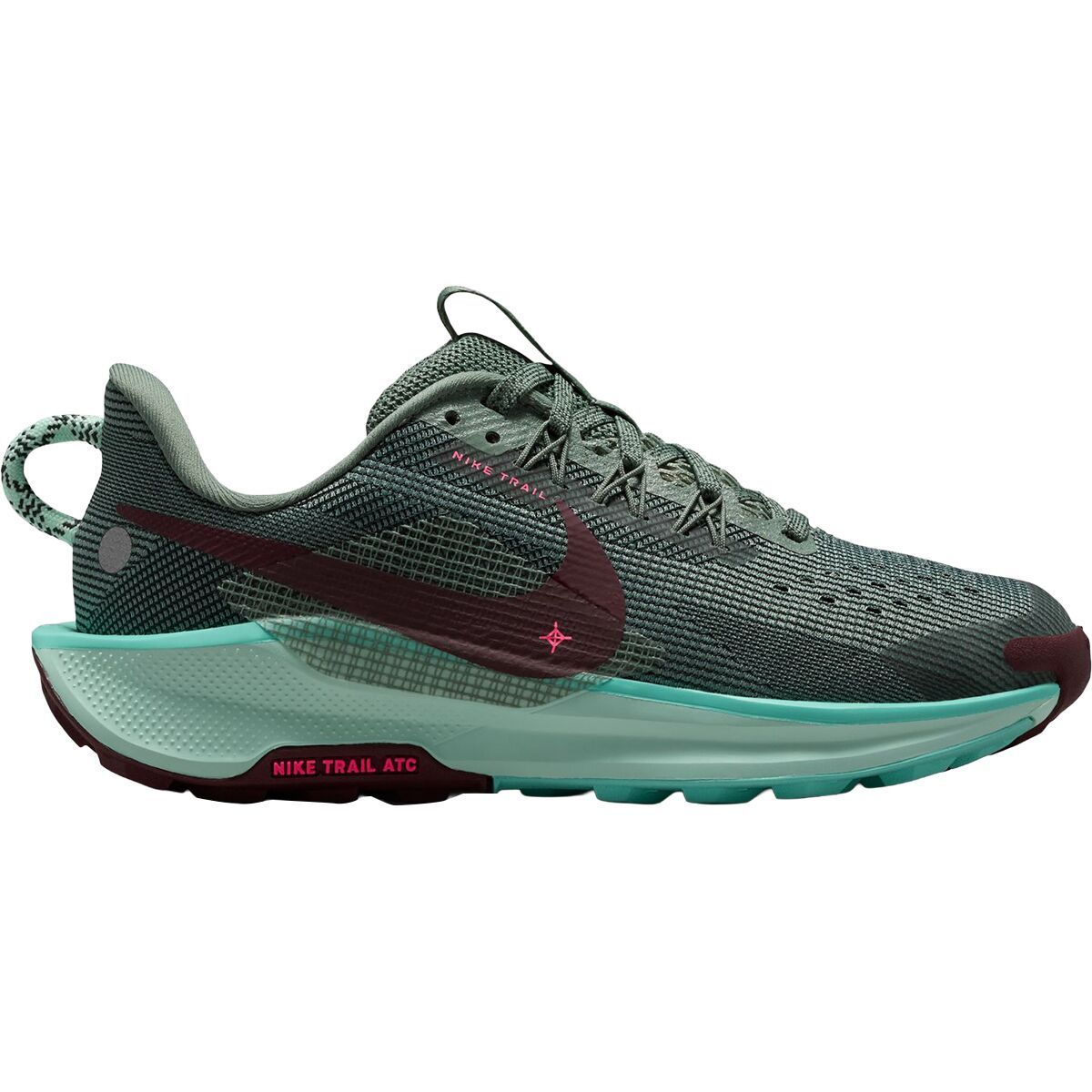
Nike Pegasus Trail 5
Good nutrition + good shoes = longer training sessions. Our pick for mixed-surface running.