Mental Toughness for Endurance 2026: Complete Sports Psychology Guide for Athletes
The difference between a personal record and a breakdown often isn't physical - it's mental. Master the psychology techniques used by elite athletes to push through pain, stay focused under pressure, and achieve breakthrough performances.
Table of Contents
1. The Science of Mental Toughness
Mental toughness in endurance sports isn't mystical - it's a trainable skill backed by neuroscience. Research shows that the brain's perception of effort, not just physiological fatigue, determines when we slow down or stop. Understanding this "central governor" theory gives us leverage to push further.
The 40% Rule
Navy SEALs teach that when your mind tells you you're done, you're actually only at about 40% of your true capacity. While the exact percentage varies, research confirms that perceived exhaustion precedes true physiological limits by a significant margin.
Key Components of Mental Toughness
Sports psychology research identifies four core pillars of mental toughness in endurance athletes:
1. Control
The ability to control emotions, thoughts, and responses under pressure. Maintaining composure when things go wrong.
2. Commitment
Deep goal-setting and the dedication to follow through despite obstacles, discomfort, or setbacks.
3. Challenge
Viewing adversity as opportunity. Embracing discomfort as part of the growth process rather than something to avoid.
4. Confidence
Belief in your abilities and training. Trust in the work you've done to achieve your goals.
The Brain During Endurance Exercise
During prolonged exercise, your brain continuously evaluates multiple inputs to regulate effort:
- Afferent feedback: Signals from muscles, heart, lungs about physiological state
- Motivation: How important is this goal? What's at stake?
- Experience: Have you felt this before? Did you survive?
- Expectations: How far to go? How long will this last?
- Emotional state: Fear, excitement, determination
- Environmental factors: Heat, competition, crowd support
The brain integrates all these inputs to produce "perceived exertion" - the sensation of effort. Mental training techniques work by influencing this perception, not by making you physiologically stronger.
2. Pain Management & Perception
Pain is inevitable in endurance sports. How you interpret and respond to it determines whether you push through or break down. Elite athletes don't feel less pain - they interpret it differently.
Types of Pain in Endurance Sports
| Pain Type | Description | Response |
|---|---|---|
| Performance pain | Burning muscles, heavy legs, labored breathing | Embrace and push through |
| Warning pain | Sharp, localized, unusual sensations | Evaluate and adjust if needed |
| Injury pain | Acute, intensifying with continued effort | Stop and address |
Pain Reframing Techniques
1. Pain as Information
Reframe pain as neutral data about your effort level. "My legs are burning" becomes "I'm working at a high intensity." Pain is feedback, not a command to stop.
2. Pain as Temporary
Remind yourself: "This will end." Whether it's the next mile marker, the finish line, or the next minute - pain has an expiration date. You've survived every hard moment before.
3. Pain as Shared Experience
"Everyone around me feels this too." You're not uniquely suffering. The person next to you is hurting just as much - the ones who win are those who accept it best.
4. Pain as Progress
"This discomfort is making me stronger." Reframe suffering as the price of improvement. Pain during a race means you're racing hard - exactly as intended.
Association vs. Dissociation
Two primary strategies exist for managing race discomfort:
Association (Internal Focus)
Tuning INTO body sensations:
- Monitoring breathing rhythm
- Feeling foot strike pattern
- Checking form and posture
- Assessing muscle tension
Best for: Racing, maintaining pace, high performance
Dissociation (External Focus)
Tuning OUT of body sensations:
- Counting or math problems
- Music or podcasts
- Observing the environment
- Daydreaming or fantasy
Best for: Training, long slow runs, recovery
Elite vs. Recreational Athlete Differences
Research shows elite athletes use association more during races - staying connected to pace, form, and body feedback. Recreational athletes often rely on dissociation. Learning to associate during hard efforts is a trainable skill that improves performance.
3. Visualization & Mental Rehearsal
Visualization - or mental imagery - is one of the most powerful and well-researched mental training techniques. Studies show that vivid mental rehearsal activates similar brain regions as actual physical practice, building neural pathways that enhance real-world performance.
Types of Visualization
Process Visualization
Imagine yourself executing the race: warming up, starting, hitting each mile, managing challenges, finishing strong. Focus on HOW you race, not just the outcome.
Outcome Visualization
Picture the finish line: crossing in your goal time, the clock reading your PR, the emotional high of achievement. Use sparingly - process is more powerful for performance.
Adversity Visualization
Imagine challenges and your response: hitting the wall and pushing through, dealing with weather, recovering from a bad patch. This builds coping strategies before you need them.
The PETTLEP Model for Effective Visualization
For maximum effectiveness, visualization should be vivid and realistic. The PETTLEP framework ensures comprehensive mental rehearsal:
| Element | Description | Example |
|---|---|---|
| Physical | Physical state during imagery | Wear race clothes while visualizing |
| Environment | Where you're performing | Imagine the actual course, crowds, weather |
| Task | What you're doing | Specific race actions: pacing, form, fueling |
| Timing | Real-time pacing | Imagine at actual race speed/timing |
| Learning | Content adapts as you improve | Update visualization as training progresses |
| Emotion | Feelings associated with performance | Feel confidence, determination, focus |
| Perspective | First or third person view | Internal (through your eyes) is most effective |
Sample Visualization Script (Marathon)
"I'm standing at the start line. I feel the cool morning air on my skin, hear the buzz of the crowd around me. My legs feel fresh and strong. The gun goes off and I start smoothly, resisting the urge to go out fast. I'm running my pace, feeling controlled and confident.
At mile 10, I feel good. My breathing is rhythmic, my form is tall. I take my gel and wash it down with water. I'm exactly where I want to be.
At mile 20, the discomfort arrives. My legs are heavy. I acknowledge it without fighting it. I repeat 'relax, rhythm, run.' I focus on the runner ahead and close the gap. One mile at a time.
The final miles hurt, but I embrace it. This is what I trained for. I cross the finish line and see my goal time on the clock. I did it."
4. Self-Talk Strategies
Your internal dialogue during a race can make or break your performance. Research shows that positive, instructional self-talk can reduce perceived exertion by up to 10% and improve endurance by 18%. What you say to yourself matters enormously.
Types of Self-Talk
Motivational Self-Talk
Energizing, encouraging phrases:
- "You've got this"
- "Stay strong"
- "You've trained for this"
- "Push through"
- "One more mile"
Instructional Self-Talk
Technical, form-focused cues:
- "Relax your shoulders"
- "Quick feet"
- "Breathe deep"
- "Drive the arms"
- "Stay tall"
Building Your Mantra Toolkit
Develop a set of personal mantras for different race situations. Practice them in training so they're automatic when you need them:
| Situation | Sample Mantras |
|---|---|
| Early race patience | "Easy now, save it for later" / "Smooth is fast" |
| Mid-race discomfort | "This is temporary" / "I've done harder" |
| Late-race suffering | "Almost there" / "Now is when it counts" |
| Hills | "Attack the hill" / "Over the top" |
| Doubt | "Trust the training" / "I belong here" |
| Form breakdown | "Relax, rhythm, run" / "Tall and strong" |
Eliminate Negative Self-Talk
Catch and reframe negative thoughts immediately. "I can't do this" becomes "This is hard AND I can handle it." "My legs are dead" becomes "My legs are working hard." Add "yet" to negative statements: "I haven't hit my goal YET."
5. Focus & Attention Control
Long races challenge your ability to maintain focus. Your attention will drift - the key is having strategies to bring it back and knowing when to focus narrowly versus broadly.
The Attention Matrix
Narrow Internal
Focus on specific body sensations:
- Breathing pattern
- Foot strike
- Muscle tension
Use: When correcting form, managing pain
Broad Internal
Overall body awareness:
- General energy levels
- Overall effort
- Emotional state
Use: Pacing decisions, strategy adjustments
Narrow External
Focus on specific external cues:
- Next mile marker
- Competitor ahead
- Specific landmark
Use: Breaking up distance, catching competitors
Broad External
Wide environmental awareness:
- Crowd energy
- Weather conditions
- Course scenery
Use: Easy miles, enjoying the experience
Chunking: Breaking Down the Distance
A marathon is overwhelming; four 10Ks and a 5K is manageable. Break your race into smaller segments:
- By landmarks: "Just get to that tree, then the next one"
- By aid stations: "One station to the next"
- By time: "10 more minutes, then reassess"
- By miles: "This mile, nothing else exists"
- By songs: "Three more songs to the next check-in"
The Present Moment Focus
When you catch yourself worrying about future miles or regretting past mistakes, bring attention back to the current moment. "What can I control right now?" Usually it's: cadence, breathing, posture, effort. Focus only on that.
6. Race Day Psychology
Race day presents unique psychological challenges: pre-race nerves, start line anxiety, mid-race decisions, and the mental demands of competition. Having strategies for each phase is essential.
Managing Pre-Race Anxiety
Nervousness before a race is normal and even beneficial - it means you care. The goal isn't to eliminate nerves but to channel them productively.
Reframe Anxiety as Excitement
Research shows that saying "I'm excited" instead of "I'm nervous" improves performance. Same physiological arousal, different interpretation.
Control the Controllables
Focus energy on what you can influence: your preparation, nutrition, warmup, attitude. Release worry about weather, competition, and the unknown.
Use Breathing Techniques
Box breathing (4 seconds in, hold 4, out 4, hold 4) activates the parasympathetic nervous system and reduces anxiety.
Trust Your Training
You've done the work. Race day is a celebration of that training, not a test you might fail. The fitness is there - you just need to execute.
Start Line to Finish Line: Phase-by-Phase Psychology
| Phase | Challenge | Strategy |
|---|---|---|
| First 10% | Controlling adrenaline surge | Focus on patience, "bank time later" |
| 10-40% | Settling into rhythm | Process focus, "smooth is fast" |
| 40-60% | Middle-race monotony | Chunk distance, stay present |
| 60-80% | Rising discomfort | Pain reframing, mantras |
| 80-100% | Mental battle, survival | "Almost there," "leave nothing" |
7. Handling Dark Moments
Every endurance athlete faces "dark moments" - those points where quitting seems reasonable, pain is overwhelming, and the finish feels impossibly far. How you respond to these moments defines your performance.
The Dark Moment Toolkit
1. Acknowledge Without Identifying
"I'm having the thought that I can't do this" rather than "I can't do this." Observe the dark thought like watching a cloud pass - you don't have to believe it or act on it.
2. The 10-Second Rule
When you want to stop, commit to 10 more seconds at pace. Then 10 more. Often the dark moment passes in 30-60 seconds. You rarely quit at the absolute worst moment - you quit when it's getting better.
3. Get Micro
Shrink your focus to the smallest possible unit: the next step, the next breath, the next telephone pole. When the big picture is overwhelming, go microscopic.
4. Find Your "Why"
Remember why you're doing this. Dedicate a mile to someone important. Think about what crossing the finish line means. Connect to deeper purpose beyond just the race.
5. Embrace the Suck
"This is supposed to hurt. I signed up for this. This is the race experience." Stop fighting the discomfort and accept it as part of the journey.
6. Use Emergency Mantras
Have specific phrases ready for crisis moments: "Never give up." "Dig deeper." "I am stronger than this." "Pain is temporary, quitting is forever."
When to Actually Stop
There's a difference between "this hurts" and "something is wrong." Sharp, localized pain that worsens, signs of heat stroke, or chest pain warrant stopping. Mental suffering is not the same as physical danger. Know the difference.
8. Building Mental Strength in Training
Mental toughness isn't just for race day - it's built in training. Every hard session is an opportunity to practice the psychological skills you'll need when it counts.
Training Strategies for Mental Development
- Simulate race discomfort: Include workouts that get uncomfortable in training. Practice pushing through fatigue in controlled environments.
- Train in adverse conditions: Don't skip workouts due to weather. Running in rain, heat, or cold builds mental resilience.
- Practice your mantras: Use self-talk strategies during tempo runs and intervals. Make them automatic before race day.
- Finish workouts strong: Never jog in the last rep or final miles. Train the habit of finishing with effort.
- Go solo sometimes: Group training is great, but some sessions alone build self-reliance.
- Ditch technology occasionally: Run without a watch to develop internal pacing and effort perception.
Mental Training Off the Road
Daily Practices
- 5-10 min visualization sessions
- Meditation or mindfulness practice
- Journaling about training/racing
- Gratitude for the ability to train
Weekly Practices
- Review race goals and visualize
- Study elite athletes' mindsets
- Cold exposure for discomfort tolerance
- Reflect on mental wins in training
9. Pre-Race Mental Routines
A consistent pre-race mental routine provides structure, reduces anxiety, and puts you in the optimal mindset for performance. Develop yours in training and B-races.
Sample Pre-Race Mental Routine
Night Before
- 10-min visualization of race execution
- Review race plan and mantras
- Gratitude practice for the opportunity
- Set intentions (not just outcome goals)
- Light reading or calming activity
Race Morning
- Follow exact practiced routine (no new elements)
- Positive affirmations: "I am ready"
- 5-min visualization during travel to venue
- Reframe any nerves as excitement
- Review key mantras for race phases
Final 30 Minutes
- Physical warmup with mental cues
- Power pose (2 min - raises testosterone, lowers cortisol)
- Breathing exercises to control activation
- Final mantra: state of confidence and readiness
- Smile - it reduces perceived effort
The Power of Routine
Elite athletes are fanatic about pre-race routines. The same sequence every time signals to the brain and body that performance is coming. It eliminates decision-making and conserves mental energy for the race itself.
10. Frequently Asked Questions
Is mental toughness something you're born with or can it be developed?
Mental toughness is highly trainable. While some individuals may have natural advantages in certain psychological traits, research consistently shows that mental skills can be developed through deliberate practice, just like physical fitness.
How often should I practice visualization?
Daily practice of 5-10 minutes is ideal in the weeks leading up to a race. Some athletes benefit from multiple short sessions. Consistency is more important than duration - 5 minutes daily beats 30 minutes once a week.
What if positive self-talk feels fake or forced?
Start with neutral self-talk if positive feels inauthentic. Instead of "I'm amazing," try "I'm doing the work." Over time, as you have positive experiences, genuine confidence builds. Also focus on instructional rather than motivational self-talk.
How do I deal with fear of failure before a big race?
Redefine success beyond just the outcome. Success can be executing your plan, pushing through discomfort, or learning for next time. Also remember: fear means it matters to you, which is a positive sign of investment.
Should I use music during races for mental strength?
Music can be a powerful tool for motivation and dissociation, but it prevents association (internal focus) which is more effective for racing. Consider using music for training but racing without it, or saving it for specific crisis moments.
How do I bounce back mentally after a bad race?
Allow yourself to be disappointed briefly, then analyze objectively. Separate performance from identity - a bad race doesn't make you a bad athlete. Extract lessons, adjust training/preparation, and remember that setbacks build resilience for future success.
Recommended Mental Training Resources
The definitive book on mental toughness in endurance sports. Science-backed stories of athletes pushing limits.
Explores the science of endurance and the mind's role in athletic performance. Eye-opening research on limits.
Extreme examples of pushing mental limits from ultrarunner and Navy SEAL. Inspiring and intense.
Key Takeaways: Building Mental Toughness
- 1. Mental toughness is trainable - practice psychological skills in training, not just races
- 2. Reframe pain as information, not a command to stop; it's temporary and everyone feels it
- 3. Visualization builds neural pathways; imagine process, adversity, and outcome
- 4. Build a toolkit of mantras for different race situations and practice them in training
- 5. Dark moments pass - use the 10-second rule and micro-focus to get through
- 6. Pre-race anxiety is normal; reframe it as excitement and focus on controllables
Featured at Backcountry — 15% off first order
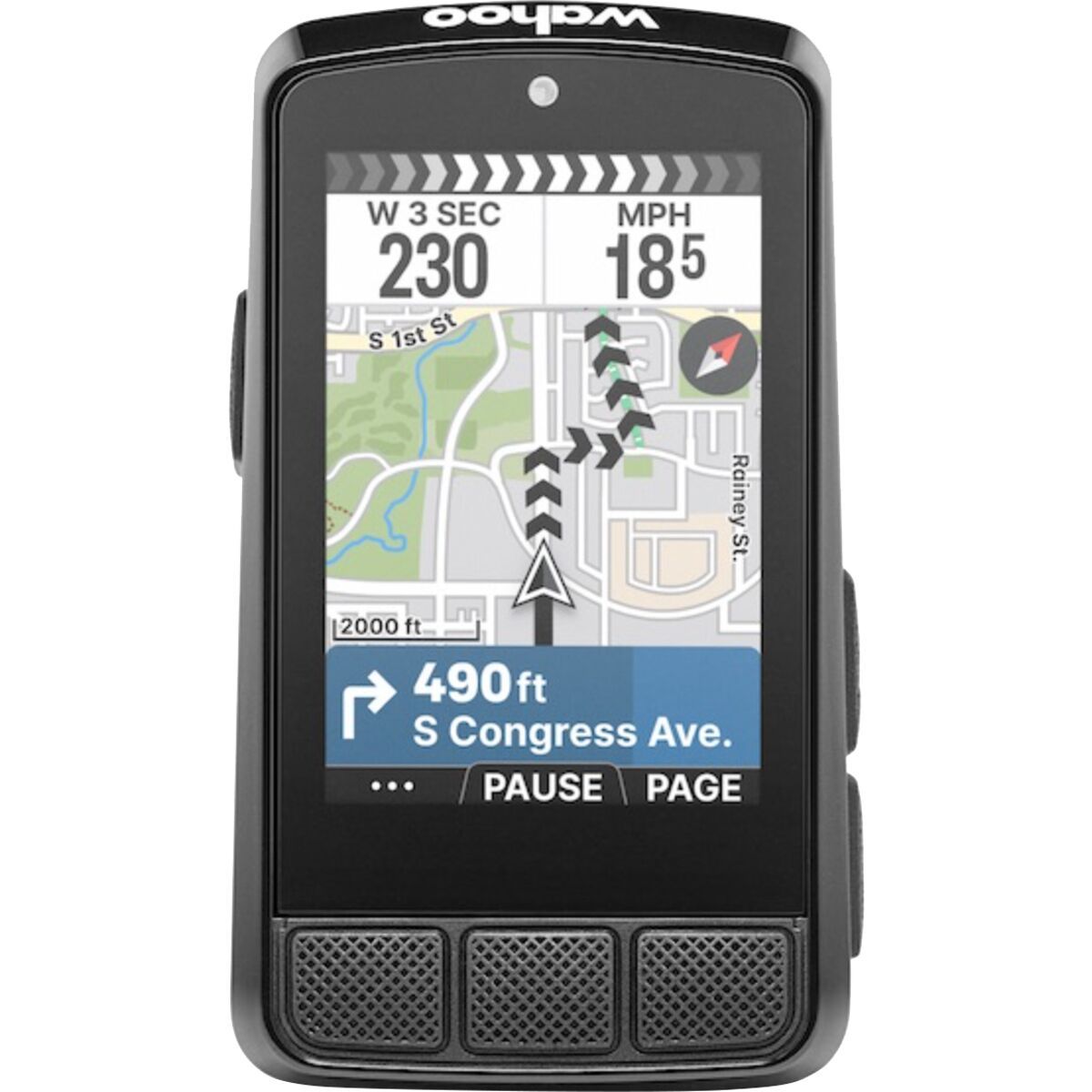
Wahoo ELEMNT BOLT 3
Track your rides with Wahoo's compact GPS — the bike computer we use daily.