Taper Week Strategies 2026: Complete Guide to Pre-Race Tapering for Peak Performance
The weeks before your big race are when fitness is sealed but performance is won or lost. Master the science and psychology of tapering to arrive at the start line fresh, fit, and ready to PR.
Table of Contents
1. The Science of Tapering: Why Less Becomes More
Tapering is the systematic reduction of training load before a competition to reduce accumulated fatigue while maintaining fitness. Research consistently shows that proper tapering improves performance by 2-6%, which translates to significant time savings across all distances.
The Performance Gain
A 2024 meta-analysis of 50+ tapering studies found an average performance improvement of 3.2% with optimal tapering. For a 3:30 marathoner, that's nearly 7 minutes faster. For a 20-minute 5K runner, that's 38 seconds.
What Happens During the Taper
During a proper taper, your body undergoes critical physiological adaptations:
- Glycogen supercompensation: Muscle glycogen stores increase 20-40% above normal
- Muscle repair: Microtrauma from training heals completely
- Hormone optimization: Testosterone rises, cortisol drops
- Nervous system recovery: Neuromuscular coordination improves
- Red blood cell maturation: Immature RBCs become fully functional
- Enzyme activity increases: Aerobic enzymes reach peak levels
- Mental freshness: Motivation and focus sharpen
The Fitness-Fatigue Model
The scientific basis of tapering is the "fitness-fatigue" or "impulse-response" model. Training produces both fitness (positive) and fatigue (negative). Fatigue dissipates faster than fitness - typically over 10-15 days versus 30-45 days. During taper, fatigue drops while fitness is maintained, revealing your peak performance capacity.
Performance = Fitness - Fatigue
When you taper properly:
- Fitness: Declines slowly (1-2% per week of reduced training)
- Fatigue: Drops rapidly (30-50% per week)
- Net result: Performance peaks as fatigue clears faster than fitness fades
2. Optimal Taper Duration by Event
Taper length depends on the event distance, training volume leading up to the race, and individual response. Generally, longer events and higher training loads require longer tapers.
| Event | Recommended Taper | Total Volume Reduction |
|---|---|---|
| 5K | 4-7 days | 30-40% |
| 10K | 7-10 days | 40-50% |
| Half Marathon | 10-14 days | 50-60% |
| Marathon | 14-21 days | 60-75% |
| Sprint Triathlon | 5-7 days | 30-40% |
| Olympic Triathlon | 10-14 days | 50-60% |
| Half Ironman | 14-21 days | 60-70% |
| Full Ironman | 21-28 days | 70-80% |
| Century Ride | 10-14 days | 50-60% |
| Ultra Marathon | 14-21 days | 60-75% |
Individual Variation
Some athletes thrive on longer tapers while others feel flat. Track your responses over several races to find your personal optimum. Age, training history, and recovery capacity all influence ideal taper length.
3. Volume Reduction: How Much to Cut
Research is clear: reduce volume significantly while maintaining (or even slightly reducing) frequency. The key insight is that it's training volume - not intensity or frequency - that should bear the brunt of the reduction.
The Progressive Reduction Model
The most effective approach is a "step-down" or "exponential" taper where volume decreases progressively:
| Week Before Race | Volume (% of Peak) | Intensity | Frequency |
|---|---|---|---|
| 3 weeks out | 75-85% | Maintain | Same |
| 2 weeks out | 50-65% | Maintain | Same or -1 day |
| Race week | 30-40% | Reduce slightly | Same or -1 day |
Volume Reduction in Practice
Example: 50-mile/week Runner Preparing for Marathon
- Peak week: 50 miles (100%)
- 3 weeks out: 40 miles (80%)
- 2 weeks out: 30 miles (60%)
- Race week: 15-20 miles (30-40%)
How to Reduce Volume
- Shorten individual workouts: Primary method - run/ride fewer miles per session
- Keep frequency similar: If you normally run 6 days, run 5-6 days during taper
- Reduce long run distance: Final long run 2 weeks out; race week long run should be 60-70% of peak
- Maintain workout structure: Keep warmup, main set, cooldown format
4. Intensity Maintenance During Taper
This is the most critical and most commonly misunderstood aspect of tapering. Many athletes reduce intensity along with volume, which is a mistake. Maintaining high-end work is essential for preserving neuromuscular coordination and staying sharp.
The Cardinal Rule of Tapering
Cut volume aggressively, but maintain (or only slightly reduce) intensity. Dropping intensity leads to feeling flat and sluggish on race day.
Intensity Strategies During Taper
Week 2 Out (10-14 Days Before)
- Final hard workout early in the week
- Race-pace efforts with full recovery
- VO2max work if part of normal routine
- One more threshold session, reduced volume
Race Week (7 Days Before)
- Short race-pace openers (not full workout)
- Strides (4-6 x 20-30 seconds) 2-3 times
- Brief surges at goal pace in easy runs
- Keep legs feeling quick and responsive
Final 2-3 Days
- Very easy running only
- Short strides (4x20 sec) with long rest
- Complete rest day before or two days before (personal preference)
- Shakeout jog day before (15-20 min easy)
Sample Taper Week Workouts
Marathon Taper (5 Days Out)
Workout:
- 2 mile easy warmup
- 4 x 800m at marathon pace
- 400m jog recovery
- 6 x 100m strides
- 1 mile cooldown
Total: 6-7 miles
5K Taper (3 Days Out)
Workout:
- 1.5 mile easy warmup
- 4 x 200m at 5K pace
- 200m jog recovery
- 4 x 100m strides
- 1 mile cooldown
Total: 4 miles
5. Taper Madness: Managing the Mental Game
"Taper madness" or "taper tantrums" is real. The sudden reduction in training volume and endorphins can cause anxiety, restlessness, mood swings, and phantom injuries. Understanding why this happens helps manage it.
Common Taper Symptoms
- Phantom aches and pains: Suddenly aware of every minor sensation
- Feeling sluggish: Legs feel heavy and unresponsive
- Sleep disturbances: Trouble falling or staying asleep
- Mood swings: Irritability, anxiety, or depression
- Doubt: Questioning fitness, training, race goals
- Restless energy: Urge to train more or harder
- Weight fluctuations: Temporary increase from glycogen loading
Why Taper Madness Happens
- Endorphin withdrawal: Less training = fewer feel-good hormones
- Routine disruption: Training provides structure and purpose
- Nervous system recovery: Body adjusting to lower stress load
- Time awareness: More time to think (and overthink)
- Performance anxiety: Race approaching = pressure building
Strategies to Manage Taper Madness
Trust the Process
Remember that these feelings are normal and often precede great performances. The fitness is there - you're just shedding fatigue.
Stay Busy
Fill extra time with non-physical activities: movies, reading, gentle walks, socializing. Keep your mind occupied.
Focus on Sleep
Prioritize sleep hygiene. If you can't sleep, rest in bed - you're still recovering. Sleep in the 2-3 nights BEFORE race week matters most.
Prepare for Race Day
Channel energy into constructive preparation: gear check, travel logistics, nutrition planning, visualization.
Ignore the Aches
Most phantom pains resolve with the race-day adrenaline. Unless pain is sharp, acute, or in a previously injured area, assume it's taper-related.
6. Sleep & Recovery Optimization
The taper is your final opportunity to fully recover. Sleep is the most powerful recovery tool available, and it should be prioritized ruthlessly during taper week.
Sleep Strategies During Taper
- Bank sleep early: Sleep 8-9+ hours per night starting 4-5 days before the race
- Don't stress about pre-race night: Most athletes sleep poorly; previous nights matter more
- Consistent schedule: Same bed/wake times throughout taper
- Limit alcohol: Disrupts sleep quality; avoid or minimize
- No caffeine after noon: Especially important with reduced training
- Cool, dark room: Optimize sleep environment
- Wind-down routine: 30-60 minutes of relaxation before bed
The "Sleep Bank" Concept
Research shows that extra sleep accumulated in the days before a race can enhance performance even if race night sleep is poor. Aim to be "sleep positive" going into the race - more total sleep hours than you typically get.
Additional Recovery Practices
Helpful During Taper
- Light stretching and mobility work
- Gentle foam rolling (not deep tissue)
- Walking
- Legs-up-the-wall
- Compression garments
- Meditation and visualization
Avoid During Taper
- Deep tissue massage (2-3 days before)
- New stretching routines
- Ice baths (can reduce performance)
- Extended standing or walking
- New recovery tools or techniques
- Anything that causes soreness
7. Event-Specific Taper Protocols
5K Taper (7 Days)
- Day 7: Normal workout - final hard session (tempo or intervals)
- Day 6: Easy run with strides
- Day 5: Easy run
- Day 4: Short intervals at 5K pace (opener workout)
- Day 3: Easy run with strides
- Day 2: Rest or 15-20 min shakeout jog
- Day 1 (Race): Warmup, race, cooldown
Half Marathon Taper (14 Days)
- Week 2: 60-70% of peak volume; final tempo/threshold workout early
- Day 10: Easy run with strides
- Day 8-9: Reduced long run (8-10 miles easy)
- Day 7: Short race-pace segments (4-5 miles total)
- Day 5-6: Easy running with strides
- Day 4: Brief race-pace opener
- Day 3: Easy jog
- Day 2: Rest or shakeout
- Day 1 (Race): Race day!
Marathon Taper (21 Days)
- Week 3: 75-80% volume; final long run 16-20 miles early in week
- Week 2: 50-60% volume; final tempo or marathon pace workout
- Day 7: 8-10 mile run with marathon pace segments
- Day 5-6: Easy runs with strides
- Day 4: Short marathon pace opener (4-5 miles total)
- Day 3: 3-4 miles easy
- Day 2: Rest or 15-20 min shakeout
- Day 1 (Race): Race day!
Triathlon Taper (Olympic Distance - 14 Days)
- Week 2: Reduce each sport by 40-50%; final brick workout
- Day 10: Open water swim if possible; easy bike and run
- Day 7: Race-pace work in all three sports (short)
- Day 5-6: Easy spins, swims, jogs
- Day 4: Short brick (20 min bike / 10 min run) at race pace
- Day 3: Short swim with race-pace efforts
- Day 2: Rest or very easy activity
- Day 1 (Race): Race day!
8. Sample Taper Week Schedules
Marathon Taper: Final Week (Sunday Race)
| Day | Workout | Notes |
|---|---|---|
| Sunday (7 days) | 8-10 miles with 4 x 1 mile @ MP | Final longer run |
| Monday | Rest or 30 min easy | Full recovery |
| Tuesday | 4 miles easy + 6 strides | Keep legs loose |
| Wednesday | 5 miles with 3 x 800m @ MP | Opener workout |
| Thursday | 3 miles easy + 4 strides | Stay fresh |
| Friday | Rest | Complete rest |
| Saturday | 15-20 min shakeout jog | Loosen up, stay calm |
| Sunday | RACE DAY! | Execute the plan |
Total race week mileage: ~25-28 miles (vs. 50+ mile peak week)
9. Common Tapering Mistakes to Avoid
Mistake #1: Cutting Too Late
Doing hard training until race week or even mid-race week.
Fix: Begin taper 2-3 weeks out for longer events. Last hard workout should be 10-14 days before a marathon.
Mistake #2: Not Cutting Enough
Thinking "just a little less" is sufficient. Arriving tired at the start.
Fix: Race week volume should be 30-40% of peak. Trust the aggressive reduction.
Mistake #3: Dropping Intensity
Making all runs slow and easy, leaving you flat and sluggish.
Fix: Include strides, race-pace work, and openers. Keep the nervous system primed.
Mistake #4: Panic Training
Adding extra workouts due to taper anxiety or feeling like you haven't done enough.
Fix: Fitness takes weeks to build but can't be gained in taper week. Any extra training now only adds fatigue.
Mistake #5: Too Much "Active Recovery"
Filling time with excessive stretching, walking, or cross-training.
Fix: Light movement is fine, but don't substitute one form of fatigue for another. Embrace the rest.
Mistake #6: Diet Changes
Trying new foods, drastically cutting calories, or overdoing carb loading.
Fix: Eat familiar foods. Slight calorie increase is fine due to glycogen loading. Nothing new!
10. Frequently Asked Questions
Will I lose fitness during the taper?
You'll lose minimal fitness (1-2% per week of reduced training) but shed significant fatigue. Research shows performance improves 2-6% with proper tapering. The net gain far outweighs any minor fitness loss.
Why do I feel slow during taper runs?
Your muscles are literally "filling up" with glycogen and water, which can make you feel heavy and sluggish. This is normal and a sign the taper is working. The lightness returns on race day with adrenaline.
Should I take a complete rest day before the race?
This is individual preference. Most athletes do well with either complete rest or a very short (15-20 min) shakeout jog the day before. Complete rest two days before is more common. Test this in training leading up to B-races.
What about weight gain during taper?
It's normal to gain 2-5 pounds during taper from glycogen loading (glycogen stores water). This is not fat gain - it's fuel storage. This extra glycogen is exactly what you want for race day energy.
Can I do strength training during taper?
Reduce strength training significantly 2 weeks out and eliminate it race week. Light mobility work is fine, but nothing that causes muscle soreness. Any strength work in the final 5-7 days can impair race performance.
What if I feel amazing during taper and want to run harder?
This is a good sign that the taper is working! Channel that energy into visualization and race preparation. Save the amazing feeling for race day - that's exactly when you want it.
Taper Week Recovery Essentials
Medical-grade compression for enhanced recovery during taper. Reduces swelling and promotes circulation.
Dynamic air compression for deep flush of the legs. Perfect for taper week recovery sessions.
Gentle muscle activation and recovery. Use lightly during taper - not for deep tissue work.
Key Takeaways: Taper Week Success
- 1. Cut volume aggressively (60-70% reduction), but maintain intensity with strides and race-pace openers
- 2. Taper madness is normal - feeling sluggish, anxious, or having phantom pains are signs the taper is working
- 3. Bank sleep early in the week; don't stress about poor sleep the night before
- 4. Resist panic training - no workout in taper week will help, but any extra work can hurt
- 5. Keep frequency similar but shorten duration; this maintains feel without fatigue
- 6. Trust the process - the fitness is there, you're just shedding fatigue to reveal it
Featured at Backcountry — 15% off first order
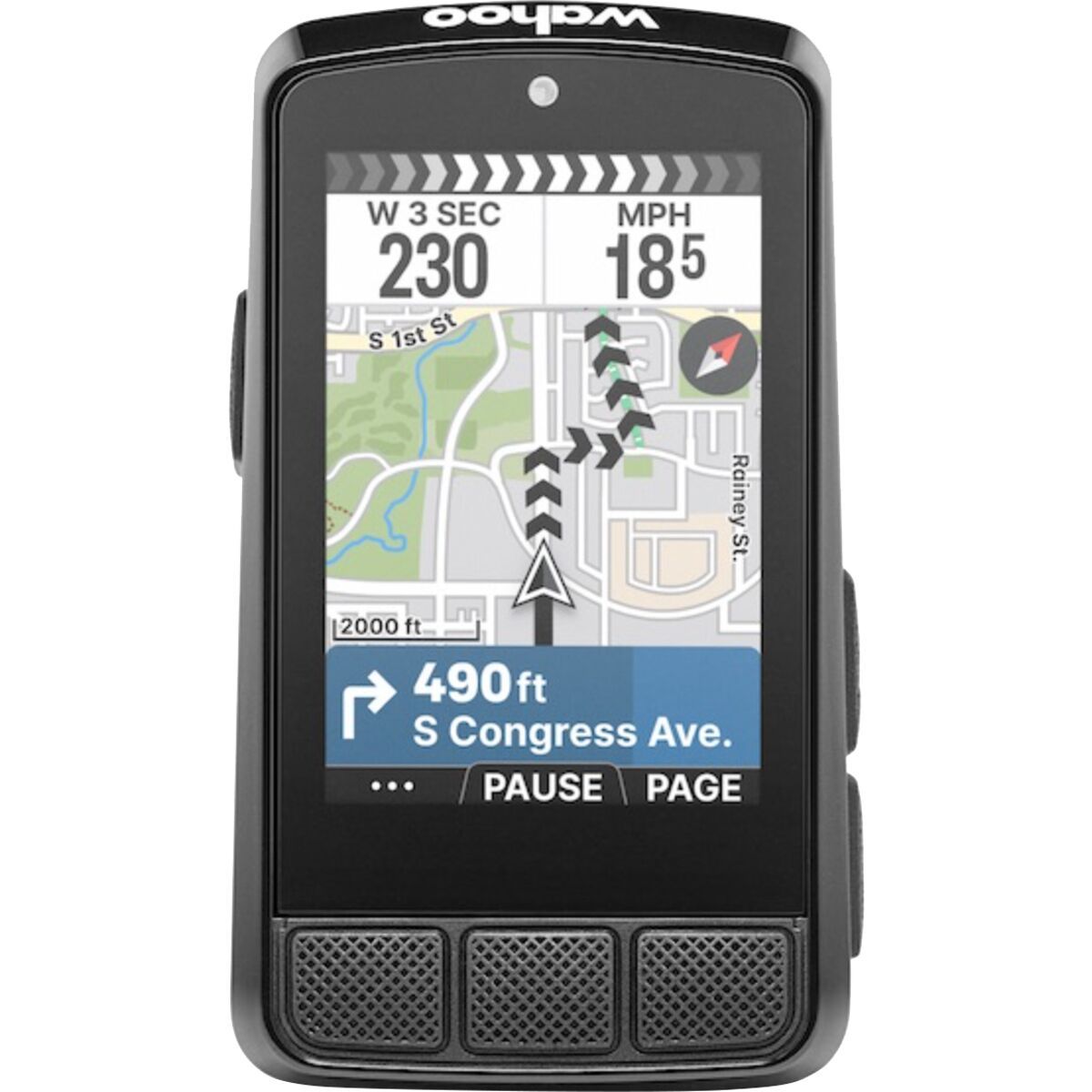
Wahoo ELEMNT BOLT 3
Track your rides with Wahoo's compact GPS — the bike computer we use daily.