Windchill Calculator for Cold Weather Training
Calculate windchill temperature, frostbite risk, and get personalized gear recommendations for safe winter running and cycling. Uses the official NWS windchill formula.
Quick Answer: Stop outdoor running below -20°F (-29°C) windchill - frostbite risk in <10 minutes. At 35°F with 15mph wind, windchill feels like 25°F. NWS formula: WC = 35.74 + 0.6215T - 35.75(V^0.16) + 0.4275T(V^0.16).
Calculate Windchill
Endure Weekly
Want to keep improving?
Get your free Zone 2 training guide plus one short training email each Wednesday.
Free. No spam. Unsubscribe anytime.
Windchill Chart Reference
| Temp / Wind | 5 mph | 10 mph | 15 mph | 20 mph | 25 mph |
|---|---|---|---|---|---|
| 40F | 36F | 34F | 32F | 30F | 29F |
| 30F | 25F | 21F | 19F | 17F | 16F |
| 20F | 13F | 9F | 6F | 4F | 3F |
| 10F | 1F | -4F | -7F | -9F | -11F |
| 0F | -11F | -16F | -19F | -22F | -24F |
| -10F | -22F | -28F | -32F | -35F | -37F |
| -20F | -34F | -41F | -45F | -48F | -51F |
Chart shows windchill temperatures calculated using the NWS formula. Colors indicate safety levels: green (safe), yellow (caution), orange (dangerous), red (extreme danger).
Quick Safety Guide
Essential Cold Weather Gear
Understanding Windchill for Cold Weather Training
Windchill is one of the most critical factors to consider when planning outdoor training during winter months. For runners, cyclists, and endurance athletes, understanding how windchill affects your body can mean the difference between a productive workout and a dangerous situation. This comprehensive guide covers everything you need to know about windchill, frostbite risk, and how to train safely in cold weather conditions.
What is Windchill and How Does It Work?
Windchill, also known as the wind chill factor or wind chill index, represents the perceived decrease in air temperature felt by the body due to the flow of air. When wind blows across exposed skin, it accelerates heat loss from your body, making the air feel colder than the actual thermometer reading.
The National Weather Service (NWS) developed the current windchill formula in 2001 based on research conducted at the Defense Civil Institute of Environmental Medicine in Canada. The formula calculates how quickly heat is lost from exposed skin based on both temperature and wind speed:
Windchill Formula (Fahrenheit): WC = 35.74 + 0.6215T - 35.75(V^0.16) + 0.4275T(V^0.16)
Where T is the air temperature in Fahrenheit and V is the wind speed in miles per hour. This formula is valid for temperatures at or below 50F and wind speeds above 3 mph.
Why Windchill Matters More for Athletes
Windchill is particularly important for runners and cyclists because physical activity compounds the wind effect in several ways:
- Self-Generated Wind: When you run at 8 mph into a 10 mph headwind, you experience an effective wind speed of 18 mph. Cyclists moving at 15-20 mph create even more significant wind effects.
- Sweat and Moisture: As you exercise, you produce sweat that can dramatically accelerate heat loss when exposed to wind. Wet skin loses heat up to 25 times faster than dry skin.
- Exposed Skin Surface: Athletic clothing often leaves faces, hands, and sometimes legs exposed to the elements, creating vulnerable areas for frostbite.
- Extended Exposure Time: Long runs or rides mean prolonged exposure to cold conditions, increasing cumulative frostbite risk.
Understanding Frostbite Risk for Runners
Frostbite occurs when body tissue freezes due to prolonged exposure to cold temperatures. For athletes training outdoors, understanding frostbite risk is essential for safe winter training.
Stages of Frostbite
- Frostnip (Stage 1): The mildest form, characterized by cold, numb skin that turns red. This is reversible with gentle rewarming and causes no permanent damage.
- Superficial Frostbite (Stage 2): Skin appears white or pale and may feel waxy. Blisters may form within 24-48 hours. Can cause long-term sensitivity to cold.
- Deep Frostbite (Stage 3): Affects all layers of skin and underlying tissues. Skin turns hard and waxy, with potential for permanent damage including tissue death.
Frostbite Risk by Windchill Temperature
The National Weather Service provides the following frostbite risk guidelines based on windchill temperatures:
- Above 0F: Frostbite unlikely with proper gear and limited exposure (over 30 minutes for exposed skin)
- 0F to -10F: Frostbite possible in 30 minutes on exposed skin
- -10F to -20F: Frostbite possible in 10-30 minutes on exposed skin
- -20F to -30F: Frostbite possible in 5-10 minutes on exposed skin
- Below -30F: Frostbite possible in less than 5 minutes on exposed skin
Cold Weather Training Safety Guidelines
Following established safety guidelines helps ensure productive winter training without risking cold-related injuries. Here are evidence-based recommendations for training in various windchill conditions:
Safe Conditions (Windchill Above 20F / -7C)
These conditions are generally safe for most outdoor training with standard cold weather precautions:
- Dress in layers that can be adjusted as you warm up
- Wear moisture-wicking base layers to prevent sweat accumulation
- Cover hands and ears with appropriate gear
- Warm up indoors before heading out
- Stay hydrated - cold air increases respiratory water loss
Caution Conditions (Windchill 0F to 20F / -18C to -7C)
These conditions require additional precautions and awareness:
- Cover all exposed skin, including face and neck
- Consider wearing a balaclava or face mask
- Use insulated, windproof outer layers
- Plan shorter routes with options to cut the workout short
- Tell someone your route and expected return time
- Watch for early signs of frostbite: numbness, tingling, or pale skin
Dangerous Conditions (Windchill -20F to 0F / -29C to -18C)
Training in these conditions carries significant risk and should only be attempted by experienced athletes with proper gear:
- Limit outdoor exposure to 30 minutes or less
- Ensure complete skin coverage with no exposed areas
- Use multiple insulating layers with windproof shell
- Consider indoor alternatives for high-intensity workouts
- Never train alone in these conditions
- Have a warm destination readily available throughout your route
Extreme Danger (Windchill Below -20F / -29C)
Outdoor training is not recommended in these conditions. The risk of frostbite and hypothermia is too high to justify outdoor exercise:
- Move workouts indoors - treadmill, indoor track, or gym
- Use this as an opportunity for cross-training or strength work
- If you must go outside, limit exposure to absolute minimum
- Dress for survival, not for running efficiency
Essential Gear for Cold Weather Training
Proper gear selection is your primary defense against cold-related injuries. Understanding the layering system and selecting appropriate materials can make winter training both safe and comfortable.
The Three-Layer System
Base Layer: This moisture-wicking layer sits directly against your skin. Choose synthetic materials (polyester, polypropylene) or merino wool that pull sweat away from your body. Avoid cotton, which retains moisture and accelerates heat loss.
Mid Layer: The insulating layer traps warm air close to your body. Fleece, down, or synthetic insulation works well. The thickness depends on temperature and intensity of activity.
Outer Layer: The shell layer protects against wind and precipitation. Look for windproof and water-resistant materials with some breathability to allow moisture vapor to escape.
Critical Gear Pieces for Extreme Cold
- Balaclava or Face Mask: Protects the face and neck, which are highly vulnerable to frostbite. Look for moisture-wicking materials with nose coverage.
- Insulated Gloves or Mittens: Mittens provide more warmth than gloves but less dexterity. Consider liner gloves inside insulated shells for adjustable warmth.
- Thermal Headwear: You lose significant heat through your head. Wear a thermal hat or headband that covers your ears.
- Neck Gaiter: Versatile piece that can cover neck, face, and head as needed.
- Insulated Running Tights: Thermal tights with windproof panels protect legs from cold and wind.
- Merino Wool Socks: Keep feet warm and dry. Consider carrying dry socks for longer workouts.
Special Considerations for Cyclists
Cyclists face unique challenges in cold weather because of the higher speeds involved. At 20 mph, a cyclist creates an additional 20 mph of wind effect, dramatically lowering the effective windchill temperature.
Cycling-Specific Cold Weather Tips
- Account for Speed-Generated Wind: Add your average cycling speed to the wind speed when calculating effective windchill.
- Protect Extremities: Hands and feet are particularly vulnerable due to limited movement while cycling. Use insulated cycling gloves and shoe covers or winter cycling boots.
- Eye Protection: Cold wind can cause excessive tearing and discomfort. Use clear or yellow-tinted cycling glasses for protection.
- Plan Routes Strategically: Start into the wind when you are fresh and warm, return with a tailwind when you are tired and potentially sweaty.
- Consider Indoor Training: Smart trainers and cycling apps make indoor training highly effective during extreme cold periods.
Recognizing and Responding to Cold Injuries
Knowing the warning signs of cold-related injuries and how to respond can prevent minor issues from becoming serious problems.
Early Warning Signs
- Persistent shivering that you cannot control
- Numbness or tingling in extremities
- Skin that appears pale, waxy, or feels hard
- Difficulty moving fingers or toes
- Confusion or difficulty concentrating
What to Do If You Suspect Frostbite
- Get out of the cold immediately - seek warm shelter
- Do not rub or massage the affected area
- Gradually rewarm the area with body heat or warm (not hot) water
- Do not use direct heat sources like heating pads or fires
- Seek medical attention for anything beyond mild frostnip
Adapting Training in Winter Conditions
Smart winter training often means adjusting your expectations and workout structure to account for challenging conditions.
Workout Modifications for Cold Weather
- Extended Warm-Up: Spend extra time warming up indoors before heading outside. Cold muscles are more prone to injury.
- Shorter, More Frequent Sessions: Instead of one long run in extreme cold, consider two shorter sessions.
- Adjust Pace Expectations: Cold air is denser, and bulky clothing adds resistance. Accept that paces will be slower.
- Focus on Effort, Not Pace: Use heart rate or perceived effort rather than pace targets.
- Plan Loops Near Home: Run multiple short loops so you are never far from warmth if conditions deteriorate.
The Science of Cold Weather Performance
Understanding how cold affects your body can help you train more effectively and safely during winter months.
Cardiovascular Effects: Cold causes blood vessels to constrict, increasing blood pressure and making the heart work harder. This is why warming up thoroughly is especially important in cold weather.
Respiratory System: Cold, dry air can irritate airways and trigger exercise-induced bronchoconstriction in susceptible individuals. Wearing a buff or balaclava over your mouth helps warm and humidify air before it reaches your lungs.
Energy Expenditure: Your body burns more calories in cold weather to maintain core temperature. Factor this into your nutrition planning for longer winter workouts.
Hydration Needs: Despite not feeling as thirsty, dehydration is common in cold weather due to increased respiratory water loss and reduced thirst sensation. Maintain regular fluid intake.
Building Winter Training Resilience
Consistent winter training offers unique benefits that can pay dividends when spring arrives:
- Mental Toughness: Training through challenging conditions builds psychological resilience that transfers to race day performance.
- Aerobic Base Building: Winter is ideal for accumulating steady-state aerobic miles at conversational pace.
- Cold Adaptation: Regular cold exposure improves your body thermoregulatory responses over time.
- Reduced Competition: Many athletes retreat indoors during winter, giving dedicated outdoor trainers a competitive advantage.
When to Train Indoors Instead
Sometimes the smart choice is to move your workout indoors. Consider indoor alternatives when:
- Windchill drops below -20F (-29C)
- Road or trail conditions are icy and unsafe
- You have a high-intensity workout planned that requires precise pacing
- You are recovering from illness and your immune system is compromised
- Daylight is insufficient for safe outdoor training
Indoor options like treadmills, indoor tracks, and cycling trainers allow you to maintain fitness without the risks associated with extreme cold. Many athletes find that strategic use of indoor training during the harshest winter periods leads to better overall training consistency.
Conclusion: Training Smart in Cold Weather
Cold weather training can be safe, productive, and even enjoyable with proper preparation and awareness. The key is respecting the conditions, dressing appropriately, and knowing when to modify or move your workout indoors. Use this windchill calculator as a tool to make informed decisions about your training, and never hesitate to prioritize safety over any single workout. Your long-term athletic development depends on staying healthy and injury-free throughout the winter months.
Winter Training Resources
Prepare for safe and effective cold weather training
Recovery Calculator
Calculate optimal rest between cold weather workouts.
Calories Burned Running
Cold weather increases calorie burn - plan your nutrition.
Heart Rate Zones
Train by heart rate when cold affects your pace.
Pace Calculator
Plan your training paces for winter workouts.
Featured at Backcountry — 15% off first order
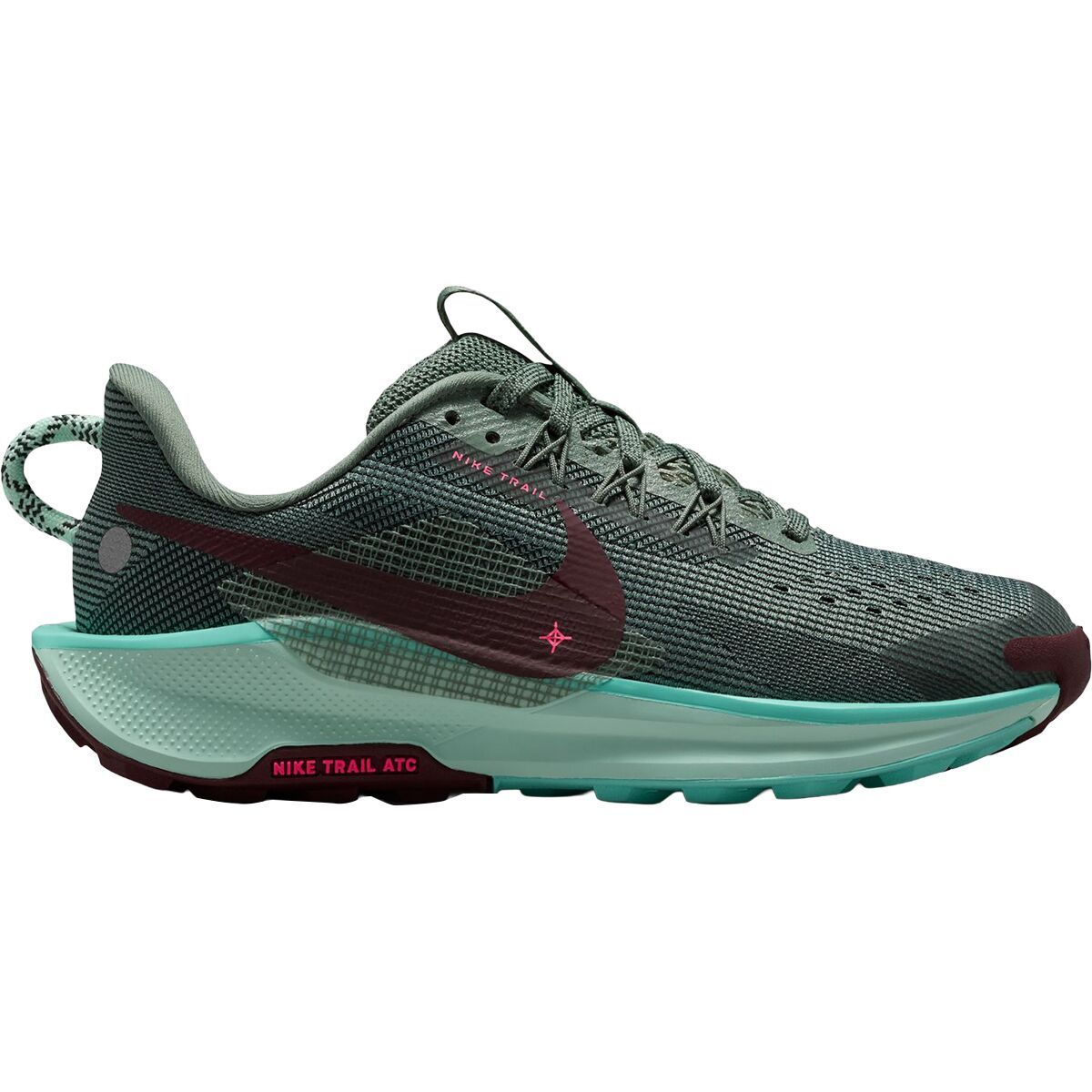
Nike Pegasus Trail 5
Our go-to trail-capable training shoe. React foam + sticky outsole.