Running for Beginners 2026: Complete Guide to Starting Your Running Journey

What You'll Learn in This Guide
- How to start running safely even if you've never run before
- Essential running gear and what you actually need
- The proven walk-run method that works for everyone
- 8-week couch to 5K beginner training plan
- Proper running form and breathing techniques
- How to avoid common beginner mistakes and injuries
- Nutrition and recovery strategies for new runners
- Staying motivated through your first months of running
Starting to run is one of the most accessible and transformative fitness decisions you can make. No matter your age, fitness level, or background, running is a sport you can begin today. This comprehensive 2026 guide will take you from complete beginner to confident runner in just 8 weeks, with practical advice that actually works for real people with busy lives.
"Every runner starts somewhere. The person you see effortlessly cruising past you on the trail was once exactly where you are now - taking that scary first step. The difference between them and you is simply that they started. Today is your day to start." - Glen, Running Coach
Why Start Running in 2026?
Running offers unique benefits that few other activities can match. It's simple, requires minimal equipment, and delivers remarkable physical and mental health improvements quickly.
Physical Health Benefits
- Strengthens cardiovascular system and heart health
- Burns 300-600 calories per 30-minute run
- Builds bone density and prevents osteoporosis
- Improves immune system function
- Reduces risk of chronic diseases by up to 45%
- Increases lung capacity and oxygen efficiency
Mental Health Benefits
- Reduces anxiety and depression symptoms
- Releases endorphins - natural mood boosters
- Improves sleep quality by 65% in regular runners
- Builds confidence and self-efficacy
- Provides stress relief and mental clarity
- Creates "me time" for reflection and peace
The Best Part About Running
You can start right now. No gym membership, no class schedule, no expensive equipment. Just open your door and begin. Running meets you exactly where you are and takes you as far as you want to go.
Essential Running Gear for Beginners
Good news - you don't need much to start running. However, investing in a few key items will make your experience significantly better and help prevent injuries.
1. Running Shoes - Your Most Important Investment
Running shoes are the only truly essential piece of equipment. The right shoes provide cushioning, support, and protection for your unique foot mechanics.
How to Choose Your First Running Shoes
- Visit a specialty running store: Staff can analyze your gait and recommend appropriate shoes
- Shop in the afternoon: Your feet swell during the day - buy when they're largest
- Prioritize fit over style: You need at least a thumb's width of space in front of your longest toe
- Walk and jog in the store: The shoes should feel comfortable immediately
- Budget $100-150: Quality running shoes are worth the investment for injury prevention
- Replace every 300-500 miles: Track your mileage and replace when cushioning breaks down
Top Beginner-Friendly Running Shoes 2026
ASICS Gel-Nimbus 26
Maximum cushioning for impact absorption. Great for heavier runners.
View Product2. Running Clothes - Comfort and Function
You don't need expensive technical clothing to start running, but moisture-wicking fabrics make the experience much more comfortable than cotton.
For Men
Need help choosing? See our Best Running Shorts 2026 guide for detailed reviews and recommendations.
3. Optional But Helpful Gear
Running Watch or Fitness Tracker
Track distance, pace, and heart rate. Motivating but not essential for beginners. Popular options on Amazon
Running Belt or Armband
Carry phone, keys, and energy gels hands-free. Shop running belts
Reflective Gear
Essential if running in low light conditions for safety. Safety gear options
Foam Roller
For recovery and preventing tight muscles. Great for post-run care. Shop foam rollers

How to Start Running: The Walk-Run Method
The walk-run method is the most effective and proven approach for beginning runners. This technique alternates walking and running intervals, allowing your body to adapt gradually while building fitness without overwhelming you.
Why the Walk-Run Method Works
- Reduces injury risk: Gradual progression prevents overuse injuries that sideline 50% of new runners
- Builds confidence: You'll complete workouts successfully instead of struggling through runs
- Sustainable: You can maintain effort for longer, building better aerobic fitness
- Mentally easier: Knowing a walk break is coming makes the run intervals manageable
- Proven results: Thousands of runners have gone from couch to 5K using this exact method
Your First Run: What to Expect
Week 1, Day 1 Protocol
- 5-minute warm-up walk: Start with easy walking to prepare your body
- Alternate 1 minute running with 2 minutes walking: Repeat 8 times (24 minutes total)
- 5-minute cool-down walk: Gradual return to normal heart rate
- Total workout time: 34 minutes
What "Running" Means for Beginners:
Run at a pace where you could speak in short sentences - barely faster than your walking pace. This is called a "conversational pace" and it's perfect for beginners. If you can't talk, you're going too fast!
8-Week Beginner Running Plan: Couch to 5K
This progressive 8-week plan takes you from complete beginner to running 30 minutes continuously - typically enough to complete a 5K race. Each week builds on the previous, with three workouts per week to allow proper recovery.
| Week | Workout Pattern | Total Time | Frequency |
|---|---|---|---|
| Week 1 | Run 1 min, Walk 2 min (8 cycles) | 34 min | 3x per week |
| Week 2 | Run 2 min, Walk 2 min (7 cycles) | 38 min | 3x per week |
| Week 3 | Run 3 min, Walk 2 min (6 cycles) | 40 min | 3x per week |
| Week 4 | Run 5 min, Walk 2 min (4 cycles) | 38 min | 3x per week |
| Week 5 | Run 8 min, Walk 2 min (3 cycles) | 40 min | 3x per week |
| Week 6 | Run 12 min, Walk 2 min (2 cycles) | 38 min | 3x per week |
| Week 7 | Run 15 min, Walk 1 min, Run 15 min | 41 min | 3x per week |
| Week 8 | Run 30 minutes continuously! | 40 min | 3x per week |
Important Training Notes
- Schedule rest days between running days - your body needs 48 hours to recover
- If a week feels too challenging, repeat it before progressing
- Listen to your body - minor soreness is normal, sharp pain is not
- Always include 5-minute warm-up and cool-down walks
- Consistency matters more than speed - just complete the workouts
Track Your Progress
Use our free running pace calculator to track your improvement and set appropriate training paces as you progress.
Proper Running Form for Beginners
Good running form makes running feel easier, prevents injuries, and improves efficiency. As a beginner, focus on these fundamental form principles.
Upper Body Form
- Head position: Look ahead 10-20 feet, not down at your feet
- Shoulders: Relaxed and down, not hunched toward ears
- Arms: Bent at 90 degrees, swing naturally front to back
- Hands: Loosely cupped, not clenched in fists
- Posture: Slight forward lean from ankles, not waist
Lower Body Form
- Cadence: Aim for 170-180 steps per minute
- Foot strike: Land midfoot under your body, not heel-first
- Stride length: Short, quick steps - don't overstride
- Hip position: Keep hips stable and forward
- Knee drive: Lift knees forward, not excessively high
Common Form Mistakes to Avoid
Overstriding
Landing with your foot far in front of your body acts as a brake and increases impact. Keep steps short and quick.
Looking Down
Staring at the ground throws off your posture and alignment. Look ahead at the horizon.
Tensing Up
Clenched fists and tight shoulders waste energy. Stay relaxed, especially in hands and face.
Breathing Techniques for New Runners
Breathing feels challenging for new runners, but it gets easier quickly. Your body will naturally adapt to find an efficient breathing rhythm.
Effective Breathing Strategies
Nose and Mouth Breathing
Forget the "nose in, mouth out" rule. Breathe through both your nose and mouth to maximize oxygen intake. Your body needs all the air it can get!
Rhythmic Breathing Patterns
Try a 3:2 pattern - inhale for 3 steps, exhale for 2 steps. This creates an odd rhythm that alternates which foot strikes during exhale, distributing impact stress.
Belly Breathing
Breathe deeply into your belly, not shallow chest breaths. Your belly should expand on inhale, contract on exhale. This maximizes lung capacity.
The Talk Test
You should be able to speak in short sentences while running. If you can only gasp single words, slow down. If you can sing, you could go faster.

Common Beginner Mistakes to Avoid
Learning from these common pitfalls will save you frustration, time, and potential injuries. Almost every new runner makes these mistakes - but you don't have to.
1. Doing Too Much Too Soon
The Problem: Enthusiasm leads to running too far, too fast, too often. Result: injury or burnout within weeks.
The Solution: Follow the 8-week plan exactly. Increase running time by no more than 10% per week. Rest days are when your body gets stronger.
2. Running Too Fast
The Problem: New runners often run at race pace during every run, making it unsustainable and exhausting.
The Solution: 80% of runs should be easy conversational pace. You should feel like you could run farther when you finish.
3. Wearing the Wrong Shoes
The Problem: Running in old athletic shoes or shoes not designed for running causes preventable injuries.
The Solution: Invest in proper running shoes from a specialty store. Replace every 300-500 miles (4-6 months for most beginners).
4. Skipping Warm-Up and Cool-Down
The Problem: Jumping straight into running without warming up increases injury risk and makes runs feel harder.
The Solution: Always start with 5 minutes of easy walking. End with 5 minutes of walking to gradually lower heart rate.
5. Ignoring Pain and Discomfort
The Problem: Pushing through pain turns minor issues into major injuries requiring weeks off.
The Solution: Learn the difference between muscle soreness (normal) and sharp pain (warning sign). Take extra rest days when needed.
6. Comparing Yourself to Others
The Problem: Watching faster runners can be discouraging and tempt you to push beyond your appropriate pace.
The Solution: Every runner started exactly where you are. Focus on your own progress, not others' performances. Your only competition is yesterday's you.
Nutrition Basics for New Runners
Running increases your caloric needs and creates specific nutritional requirements. However, as a beginner running 20-30 minutes at a time, you don't need complicated nutrition strategies yet.
Before Running
- Timing: Eat 1-2 hours before running
- What to eat: Light carbohydrates - banana, toast, oatmeal
- Avoid: Heavy, fatty, or high-fiber foods
- Hydration: 8-16 oz water 30 minutes before
- Morning runs: Can run fasted for short 20-30 min runs
After Running
- Timing: Eat within 30-60 minutes post-run
- What to eat: Carbs + protein - yogurt with fruit, eggs and toast
- Ratio: Aim for 3:1 or 4:1 carbs to protein
- Hydration: Drink 16-24 oz water after running
- Purpose: Replenish glycogen and repair muscles
General Nutrition Guidelines for Runners
- Carbohydrates: 50-60% of diet. Your primary fuel source for running.
- Protein: 15-20% of diet. Repairs and builds muscle tissue.
- Healthy fats: 20-30% of diet. Supports hormone production and satiety.
- Hydration: Drink half your body weight in ounces daily (150 lbs = 75 oz water)
- Whole foods first: Focus on vegetables, fruits, whole grains, lean proteins
- No special diet needed: Just eat balanced, nutritious meals consistently
Do I Need Energy Gels or Sports Drinks?
Not yet! For runs under 60-90 minutes, your body has enough stored energy. Plain water is sufficient for beginner 20-40 minute runs. Save sports nutrition products for when you progress to longer distances.
Injury Prevention for Beginner Runners
Statistics show that 50% of runners get injured each year, but most injuries are preventable. As a beginner, injury prevention should be your top priority - you can't build fitness if you're sidelined.
Top 5 Injury Prevention Strategies
1. Follow the 10% Rule
Never increase your weekly running time by more than 10% from the previous week. This gradual progression allows tissues to adapt.
2. Take Rest Days Seriously
Your body gets stronger during rest, not during running. Schedule at least one full rest day between running days initially.
3. Strengthen Your Body
Add 15-20 minutes of strength exercises 2x per week. Focus on hips, glutes, core, and ankles to support running mechanics.
4. Listen to Your Body
Muscle soreness that improves after 5-10 minutes of running is normal. Sharp pain, pain that worsens, or pain that alters your gait requires rest.
5. Vary Your Running Surfaces
Mix hard surfaces (concrete) with softer ones (trails, tracks, grass) to reduce repetitive impact stress on the same tissues.
Simple Strength Exercises for Runners
Lower Body Exercises
- Squats: 2 sets of 12 reps
- Lunges: 2 sets of 10 each leg
- Single-leg deadlifts: 2 sets of 8 each leg
- Calf raises: 2 sets of 15 reps
- Glute bridges: 2 sets of 15 reps
Core Exercises
- Planks: 3 sets of 30-45 seconds
- Side planks: 2 sets of 20-30 sec each side
- Bird dogs: 2 sets of 10 each side
- Dead bugs: 2 sets of 10 each side
- Mountain climbers: 2 sets of 20 reps
Post-Run Recovery Routine
- Cool-down walk: 5 minutes to gradually lower heart rate
- Static stretching: Hold each stretch 20-30 seconds (calves, quads, hamstrings, hip flexors)
- Foam rolling: 5-10 minutes focusing on tight areas
- Hydration: Drink 16-24 oz water
- Nutrition: Eat carbs + protein within 60 minutes
How to Stay Motivated as a Beginner Runner
The first few weeks of running are mentally challenging. Your brain will create countless reasons why you shouldn't run today. Here's how to build consistency and develop the running habit.
Build the Habit
- Schedule it: Block time in your calendar like any important appointment
- Same time, same days: Consistency makes it automatic
- Prepare the night before: Lay out clothes and shoes
- Start small: Commit to just putting on shoes and going outside
- Never skip twice: Missing one workout is okay, two starts a bad pattern
Find Your Why
- Write it down: Why did you decide to start running?
- Set a goal race: Register for a 5K 10-12 weeks out
- Track progress: Log each run - seeing improvement is motivating
- Celebrate wins: Acknowledge every completed workout
- Remember how you feel after: Focus on post-run satisfaction
Motivation Strategies That Work
Join a Running Group or Find a Partner
Accountability dramatically increases consistency. You're less likely to skip when someone expects you.
Create a Great Playlist or Find Podcasts
Music or engaging podcasts make time fly. Save your favorite content exclusively for running.
Reward Yourself
Plan rewards after milestones - new running clothes after Week 4, massage after Week 8, race entry after completing the program.
Change Your Identity
Start thinking of yourself as "a runner" instead of "someone trying to run." Identity drives behavior.
"The hardest run is always the one from your couch to your front door. Once you're outside with shoes on, the run takes care of itself. Show up, and your future self will thank you."

When to Progress to Longer Distances
After completing the 8-week beginner plan, you'll be able to run 30 minutes continuously - a massive achievement! Here's how to decide what comes next.
Signs You're Ready to Progress
- You can comfortably run 30 minutes 3x per week without excessive fatigue
- You finish runs feeling like you could continue (not completely exhausted)
- You recover well between runs with no persistent pain or soreness
- You're maintaining consistency for at least 4 weeks at this level
- Running feels less intimidating and more enjoyable
- You're curious about going farther or faster
Next Steps After Couch to 5K
Option 1: Run Your First 5K Race
Experience the energy of race day. Register for a local 5K 4-6 weeks out. Continue running 3x per week, with one slightly longer run weekly.
View 5K Training PlansOption 2: Increase Distance
Build toward 10K (6.2 miles) over 8-12 weeks. Add 5-10 minutes to your longest run each week while maintaining 2 shorter runs.
Explore 10K PlansOption 3: Improve Your Pace
Get faster at 5K distance. Add one interval or tempo workout per week while maintaining easy runs. Focus on running economy.
Calculate Training PacesLong-Term Running Goals
With consistent training, here's what's possible in your first year of running:
- Months 1-2: Complete couch to 5K program (30 minutes continuous running)
- Months 3-4: Run your first 5K race and improve your time
- Months 5-7: Build to 10K distance or improve 5K speed significantly
- Months 8-12: Train for half marathon or continue improving at shorter distances
Your Running Journey Starts Today
Your Week 1 Action Checklist
- Get proper running shoes: Visit a running store this week for a fitting
- Download a tracking app: Couch to 5K, Strava, or Nike Run Club
- Schedule your first 3 runs: Put them in your calendar right now
- Tell someone your goal: Accountability increases success by 65%
- Plan your route: Find a safe, flat area for your first runs
- Set a goal race: Search for a 5K race 10-12 weeks from now
- Bookmark this guide: Reference it throughout your journey
Remember These Key Points
- Start slower than you think you should - conversational pace always
- The walk-run method is not "cheating" - it's the smart way to begin
- Rest days are when your body actually gets stronger
- Every runner you see started exactly where you are now
- Consistency beats intensity every time for beginners
- Running gets easier - your first 2-3 weeks are the hardest
- You're not "too slow/heavy/old" to be a runner - you already are one
"In eight weeks, you won't recognize the person you are today. The version of you that can run 30 minutes straight is waiting on the other side of consistency. All you have to do is start." - Glen
Today is Week 1, Day 1. Put on your shoes, step outside, and begin your transformation. Future you is already grateful you started.
Ready to Take the Next Step?
Use our free running calculators to track your progress and optimize your training:
Continue Your Running Education
Heart Rate Zones for Running
Learn how to train in the right intensity zones for optimal beginner development.
Half Marathon Training Guide
Ready for the next challenge? Train for your first 13.1 mile race.
Running Pace Training Guide
Understand how to calculate and use different training paces effectively.
Complete Zone 2 Training Guide
Build your aerobic foundation with proper Zone 2 training.
Featured at Backcountry — 15% off first order
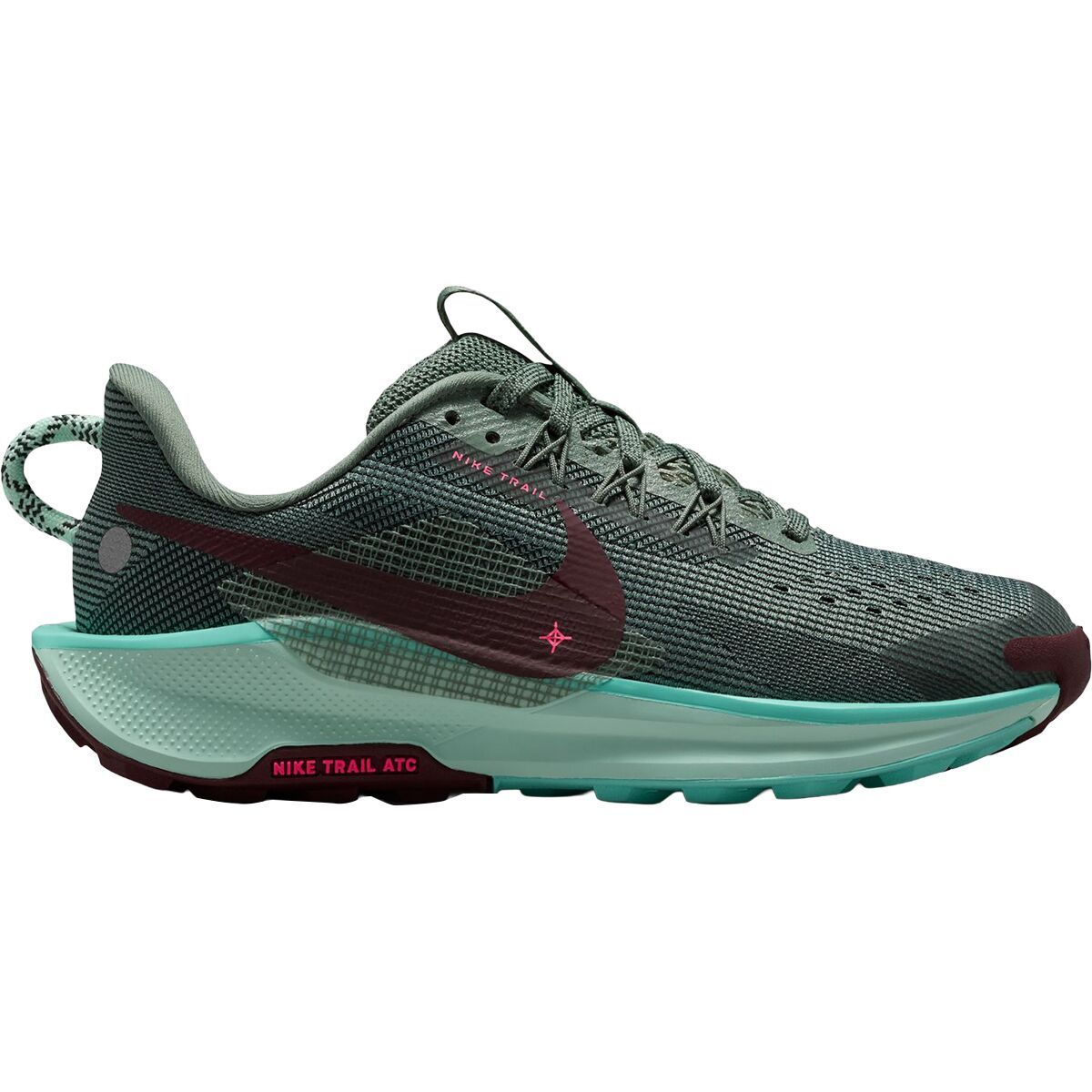
Nike Pegasus Trail 5
Our go-to trail-capable training shoe. React foam + sticky outsole.