Endure Weekly
Want to keep improving?
Get your free Zone 2 training guide plus one short training email each Wednesday.
Free. No spam. Unsubscribe anytime.
Find More Home Gym Equipment
The gear these numbers assume
Every pace, zone and power figure on this page assumes something is measuring it. These are the three that cover running, cycling and the threshold work in between.
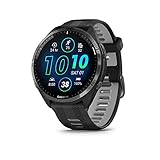 Garmin Forerunner 965
Multisport with the training-load and threshold metrics most of these calculations assume you can actually see day to day.
Check Backcountry → Check price on Amazon → COROS APEX 2 Series GPS Watch
Sapphire titanium and the longest battery in its class, which is the deciding feature once sessions run past a few hours.
Check Backcountry → Check price on Amazon → Favero Assioma Uno Power Meter Pedal
Single-sided pedal power, the cheapest honest way to start training with watts instead of estimating from heart rate.
Check Backcountry → Check price on Amazon →As an Amazon Associate we earn from qualifying purchases, at no extra cost to you. Prices change, so check before buying.
Frequently Asked Questions
What should I look for in a spin bike?
The most important factors are resistance type (magnetic is quieter and lower maintenance than felt pad), flywheel weight (heavier flywheels create smoother pedaling), adjustability (seat and handlebar height/depth), weight capacity, and warranty. If you plan to use streaming classes, Bluetooth connectivity is essential. For apartment dwellers, noise level and footprint are critical considerations.
Is a Peloton worth it compared to cheaper alternatives?
Peloton offers the best integrated class experience with its large touchscreen and live/on-demand content, but you pay a premium for the bike plus a monthly subscription ($44/mo). Alternatives like the Schwinn IC4 or Bowflex C6 cost significantly less and work with multiple apps (Peloton app, Zwift, Apple Fitness+) via Bluetooth. If you are self-motivated or prefer app variety, a mid-range alternative saves thousands over time.
How much space does a spin bike need?
Most spin bikes have a footprint of roughly 4 feet long by 2 feet wide. You will want at least 2 feet of clearance on each side for comfortable mounting and pedaling. Budget about 6 by 4 feet of total floor space. Some models like the YOSUDA and JOROTO have transport wheels for easy storage when not in use, making them suitable for apartment corners or shared spaces.
What is the difference between magnetic and friction resistance?
Friction (felt pad) resistance uses a brake pad pressing against the flywheel. It is affordable but wears over time, requires replacement pads, and is louder. Magnetic resistance uses magnets near the flywheel to create resistance without contact. It is virtually silent, maintenance-free, and provides smoother resistance transitions. Magnetic bikes cost more upfront but save on maintenance and are far better for apartment use or early-morning workouts.
Affiliate Disclosure: RunBikeCalc is reader-supported. When you buy through links on this page, we may earn a small affiliate commission at no extra cost to you. This helps us keep our calculators and tools free. We only recommend products we have researched and believe offer genuine value. All prices are approximate and may vary.