Advanced Heart Rate Zones Calculator
Calculate personalized heart rate training zones using multiple methodologies. Compare different zone systems, get sport-specific adjustments, and receive AI-powered training recommendations.
Quick Answer: Advanced HR zones use 5-7 zone systems. Karvonen method accounts for resting HR, LTHR zones anchor to lactate threshold. Zone 2 is typically 60-70% of max HR for aerobic base building.
5 Zone Systems
Compare Karvonen, LTHR, Coggan, Friel, and basic age-based zones
Sport-Specific
Adjustments for running, cycling, swimming, and other endurance sports
Visual Comparison
Side-by-side zone comparison with interactive charts and recommendations
AI Recommendations
Personalized training advice based on your physiology and goals
Understanding Heart Rate Training Zones
Heart rate training zones provide a scientific framework for organizing training intensity to maximize specific physiological adaptations. This advanced calculator compares multiple zone systems to help you find the most appropriate method for your physiology and goals.
Zone System Comparison
1. Karvonen Method (Heart Rate Reserve)
Uses the difference between maximum and resting heart rate to calculate personalized zones. Most accurate for individuals with known resting and maximum heart rates.
2. LTHR-Based Zones
Anchored to lactate threshold heart rate, providing sport-specific and fitness-level appropriate zones. Ideal for trained athletes with known threshold values.
3. Coggan Power Zones (HR)
Originally designed for power training but adapted for heart rate. Emphasizes the distinction between aerobic and anaerobic training zones.
4. Friel Training Zones
Detailed 7-zone system providing precise training targets. Popular among coaches for its specificity and progression clarity.
5. Basic Age-Based Method
Simple 220-age formula providing general zones. Least accurate but useful as a starting point for beginners.
Sport-Specific Considerations
Running
Higher heart rates due to impact and full body recruitment. Standard zones typically apply without modification.
Cycling
Slightly lower heart rates due to supported position. May require 5-10 beat upward adjustment for equivalent training stress.
Swimming
Significantly lower heart rates due to horizontal position and water cooling. Typically 10-15 beats lower than running zones.
Environmental Factors
Altitude
Higher altitudes increase heart rate at submaximal intensities. Zones may need adjustment above 3,000 feet elevation.
Temperature
Heat increases heart rate for the same exercise intensity. Hot weather training may require zone modifications.
Humidity
High humidity impairs cooling and elevates heart rate. Consider 5-10 beat upward drift in humid conditions.
This calculator accounts for these factors to provide the most accurate and practical heart rate zones for your specific situation.
The gear these numbers assume
Every pace, zone and power figure on this page assumes something is measuring it. These are the three that cover running, cycling and the threshold work in between.
Multisport with the training-load and threshold metrics most of these calculations assume you can actually see day to day.
Check Backcountry → Check price on Amazon →Sapphire titanium and the longest battery in its class, which is the deciding feature once sessions run past a few hours.
Check Backcountry → Check price on Amazon →Single-sided pedal power, the cheapest honest way to start training with watts instead of estimating from heart rate.
Check Backcountry → Check price on Amazon →As an Amazon Associate we earn from qualifying purchases, at no extra cost to you. Prices change, so check before buying.
📚 Advanced Heart Rate Training
Take your training to the next level with precision heart rate zones
Heart Rate Zones for Running
Master all 5 heart rate training zones for optimal performance.
Lactate Threshold Training
Advanced Zone 4 training to improve race pace.
VO2 Max Training Guide
Develop maximum aerobic capacity with Zone 5 training.
Marathon Training Guide
Apply advanced heart rate training to marathon prep.
🗺️ Explore the Heart Rate Training Hub
Access all related calculators, guides, and training plans in one place.
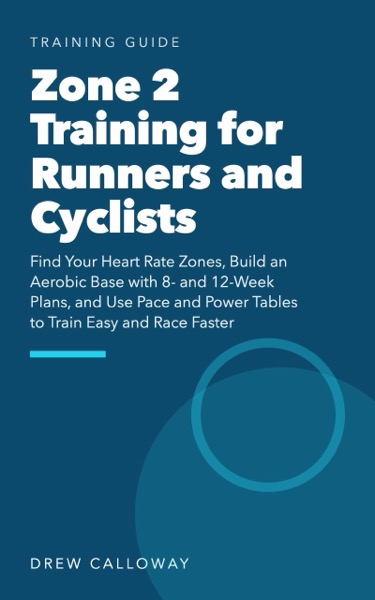
Find your heart rate zones, build an aerobic base with 8- and 12-week plans, and use pace and power tables to train easy and race faster. Inside: zone tables by age, max HR, heart rate reserve (Karvonen) and LTHR, field tests for max HR, LTHR and FTP, four ways to verify Zone 2 without trusting your watch, and complete base plans for running and for cycling.
Related Calculators
Shop Related 2026 Gear
Gear picks that pair with this calculator:
Frequently Asked Questions
What is the Karvonen heart rate zone method?
The Karvonen method calculates heart rate zones using Heart Rate Reserve (HRR) - the difference between your maximum and resting heart rate. The formula is: Target HR = Resting HR + (HRR × intensity percentage). This method is more personalized than age-based calculations because it accounts for your individual resting heart rate.
What's the difference between LTHR and max HR zones?
LTHR (Lactate Threshold Heart Rate) zones are based on your lactate threshold - the intensity where lactate accumulates faster than it can be cleared. LTHR zones are more accurate for trained athletes because they're anchored to a physiological marker rather than an estimated maximum. Max HR zones use percentages of your maximum heart rate, which can be less precise for individuals with atypical max HR values.
Which heart rate zone system should I use?
For beginners without tested data, start with basic age-based zones. For athletes with known resting HR, use the Karvonen method. For trained athletes with lactate threshold data from a 30-minute time trial or lab test, LTHR-based zones provide the most sport-specific accuracy. Cyclists often prefer Coggan zones, while triathletes may benefit from Friel's 7-zone system.
Do heart rate zones differ by sport?
Yes, heart rate zones vary by sport due to differences in body position and muscle recruitment. Running typically produces the highest heart rates. Cycling heart rates are usually 5-10 bpm lower due to the supported seated position. Swimming heart rates can be 10-15 bpm lower due to horizontal position and water cooling. Our calculator provides sport-specific adjustments for accurate zone targeting.