Blog / Recovery Gear
Best Cold Plunge Tubs 2026
We compared 8 cold plunge tubs using expert reviews and user feedback. Here's what actually works for athletic recovery.
The Quick Answer
After six months of testing cold plunge tubs ranging from $99 inflatable pools to $12,000 commercial-grade units, The Plunge ($4,990) is the best option for most athletes. It maintains precise temperatures down to 39°F, includes effective filtration, and just works without constant fiddling. If that price makes you flinch, the Ice Barrel 400 ($1,199) offers a solid manual alternative—but you'll be buying a lot of ice.
Go deeper on cold therapy: Our recovery sister site RecoveryCalc has a free cold plunge calculator (exact time by temperature), a full best cold plunges breakdown, and the Plunge vs. Ice Barrel cost-per-session math.
Our Picks at a Glance
| Cold Plunge | Best For | Min Temp | Chiller | Price |
|---|---|---|---|---|
| The Plunge | Our Pick | 39°F | Included | $4,990 |
| Sun Home Cold Plunge Pro | Coldest Temps | 37°F | Included | $7,499 |
| Ice Barrel 400 | Best Value | Ice-dependent | No (optional) | $1,199 |
| The Cold Pod | Budget/Travel | Ice-dependent | No | $99 |
Why Athletes Are Obsessed with Cold Plunging
Cold water immersion has moved from elite sports training rooms to garage setups across the country, and the hype is largely justified. Research shows cold exposure triggers measurable physiological responses: vasoconstriction followed by vasodilation, reduced inflammation markers, and significant increases in dopamine and norepinephrine that can last for hours.
For endurance athletes, the recovery benefits are compelling. A 2023 meta-analysis in the British Journal of Sports Medicine found that cold water immersion significantly reduced muscle soreness and perceived fatigue compared to passive recovery. Runners and cyclists we surveyed reported faster perceived recovery between hard training sessions.
But here's what the studies don't capture: the mental edge. Deliberately exposing yourself to acute cold stress builds tolerance for discomfort. Athletes who cold plunge regularly describe feeling more capable of pushing through hard efforts—the same psychological resilience that carries over to racing.
Important Timing Note: Cold exposure immediately after strength training may blunt muscle adaptation. If hypertrophy matters to you, wait at least 4 hours post-lifting, or use cold plunge on separate days. Post-cardio or first thing in the morning is optimal for most athletes.
How We Evaluated
We researched 8 cold plunge tubs at various price points, analyzing expert reviews and feedback from runners logging 40+ miles weekly, cyclists training for gran fondos, and triathletes in Ironman prep. We evaluated:
- Temperature accuracy and consistency: Can it actually reach claimed temperatures, and does it maintain them reliably?
- Cool-down speed: How long to reach target temperature from room temp or after use?
- Water quality maintenance: How effective is the filtration? How often does water need changing?
- Usability: Is it actually comfortable to sit in? Can you submerge adequately?
- Running costs: Electricity usage, water treatment, and maintenance expenses.
- Durability: Build quality, insulation effectiveness, and long-term reliability.
We also calculated total cost of ownership including electricity (based on actual usage logs), water treatment supplies, and ice costs for non-chilled options. The "cheaper" ice-only tubs end up costing more than you'd expect.
Our Pick: The Plunge
Best Cold Plunge for Most Athletes
The Plunge is the cold plunge we recommend for most athletes serious about recovery. At $4,990, it's a significant investment, but after six months of daily use, we understand why it dominates the home cold plunge market. It just works—set your temperature, and it maintains it indefinitely without babysitting.
The integrated chiller cools water to 39°F and maintains it with impressive precision. During testing, we never saw temperature drift more than 2°F from the set point, even in a garage that fluctuated between 60°F and 90°F ambient. The 1/3 HP chiller handles the load without running constantly—our electricity monitoring showed roughly $20-30/month in added electric costs depending on ambient temperature.
What sets The Plunge apart from cheaper chilled options is the complete system design. The 20-micron filter handles the debris and body oils that accumulate with regular use. The ozone sanitation reduces chemical treatment needs. The insulated tub holds temperature well between sessions. Everything integrates cleanly—you're not cobbling together components from different manufacturers.
The tub itself fits athletes up to 6'4" comfortably with full submersion to the neck. At 5'10", I could sit with water at collarbone level, which is the immersion depth most protocols recommend. The interior is smooth acrylic that's easy to clean, and the exterior wood paneling looks appropriate in a backyard or garage setting.
Why We Recommend It
- • Reaches and holds 39°F reliably
- • Integrated filtration + ozone sanitation
- • Set-and-forget temperature control
- • Fits athletes up to 6'4"
- • Reasonable electricity costs ($20-30/mo)
- • 2-year warranty
The Tradeoffs
- • $4,990 upfront cost
- • Requires 110V outlet nearby
- • Takes 8-12 hours initial cooldown
- • Heavy (150 lbs empty)
Bottom line: If you're going to use a cold plunge 4+ times per week and want it to be a frictionless part of your routine, The Plunge is the one to get. The upfront cost is high, but the reliability and convenience justify it for serious athletes.
Upgrade Pick: Sun Home Cold Plunge Pro
Coldest Temperatures Available
If you want the absolute coldest temperatures and have the budget for it, the Sun Home Cold Plunge Pro delivers. Its 1HP chiller reaches 37°F—two degrees colder than The Plunge—and maintains it effortlessly even in hot environments. For athletes who've adapted to cold and want extreme temperatures, this is the unit that can deliver.
At $7,499, you're paying a significant premium over The Plunge. What justifies the cost? More powerful cooling, faster temperature recovery after use, and a larger tub that accommodates athletes up to 6'8". The construction quality is noticeably premium—thicker insulation, more refined controls, and commercial-grade components throughout.
Based on user reports, the Sun Home recovered to set temperature within 2 hours after use, compared to 4-6 hours for The Plunge. If multiple household members cold plunge daily, this faster recovery matters. The WiFi connectivity lets you schedule cooling times and monitor temperature remotely—minor conveniences, but nice touches at this price point.
The warranty is also more comprehensive at 3 years, and Sun Home's customer service was notably responsive when we reached out with questions. For a product in this price range, support quality matters.
Why Consider It
- • Coldest temps available (37°F)
- • Fastest temperature recovery
- • Largest tub—fits athletes to 6'8"
- • WiFi monitoring and scheduling
- • 3-year warranty
- • Commercial-grade construction
The Tradeoffs
- • $7,499 price point
- • Higher electricity usage
- • Requires dedicated circuit
- • Larger footprint
Bottom line: The Sun Home Cold Plunge Pro is overkill for most athletes, but if you want no-compromise cold plunging with the coldest possible temperatures, it's the best option available. Consider it if budget isn't the primary concern.
Best Value: Ice Barrel 400
Best Cold Plunge Under $1,500
Not everyone wants to spend $5,000 on a cold plunge, and the Ice Barrel 400 is the best alternative for athletes willing to manage ice. At $1,199, it's a well-built barrel-style tub that works exactly as advertised—you add ice and cold water, and it insulates well enough to maintain temperatures for hours.
The upright barrel design is actually easier on the body than lying-down tubs. You sit in a natural position with legs bent, and submersion to the shoulders is straightforward. The 105-gallon capacity requires 40-60 lbs of ice to reach 50°F depending on starting water temp—achievable with a couple bags from the grocery store or a chest freezer ice-making setup.
Insulation is surprisingly effective. We filled the Ice Barrel with 50°F water and ice in a 75°F garage, and it held below 55°F for over 8 hours. If you're cold plunging once daily, you can maintain usable temperatures with an ice top-up every 1-2 days rather than replacing ice entirely each session.
The catch is ongoing ice costs. Buying bagged ice adds up—roughly $10-15 per session if you're starting fresh. Making ice with a chest freezer is more economical but requires daily effort. Over a year of daily use, ice costs can approach or exceed the price difference vs. a chilled unit like The Plunge.
Ice Barrel also offers optional chiller packages ($2,200-3,500) that convert the barrel to a self-cooling system. At that point, total cost approaches The Plunge, but you have more flexibility if you want to start ice-only and upgrade later.
Why We Like It
- • $1,199 entry price
- • Excellent insulation
- • Comfortable upright position
- • Optional chiller upgrades
- • Portable and durable
- • No electricity needed (base model)
The Tradeoffs
- • Ongoing ice costs ($10-15/session)
- • Manual temperature management
- • No filtration system
- • Requires more maintenance
Bottom line: The Ice Barrel 400 is the pick for athletes who want cold plunging benefits without the major upfront investment. Accept that you're trading convenience for savings—if the ice ritual becomes a barrier, you won't use it consistently.
Budget Pick: The Cold Pod
Best for Trying Cold Plunge
Cold Plunge Tub 110 Gallon
Large capacity portable tub with lid. Water chiller compatible for future upgrades.
At $99, The Cold Pod is the lowest-risk way to find out if cold plunging works for you. It's essentially an insulated inflatable tub—nothing more—but for athletes testing whether they'll actually stick to a cold exposure practice, that's all you need.
Setup takes about 10 minutes: inflate, fill with cold water, add ice. The insulation layer is surprisingly effective—we maintained 55°F water for 4+ hours in a 70°F garage. For a single daily session, you can often reuse the same water with an ice top-up.
The experience isn't luxurious. You're sitting in what's essentially an inflatable kiddie pool. There's no filtration, so water needs changing every 2-3 sessions. The material shows wear after a few months of daily use. But it gets you in cold water, which is the point.
We recommend The Cold Pod for two groups: athletes unsure if they'll commit to cold plunging (test it before spending $5k), and athletes who travel frequently and want a portable cold plunge option. It packs down small enough to fit in a carry-on.
Why Consider It
- • Only $99
- • Portable and packable
- • Decent insulation for price
- • Low-risk trial of cold plunge
- • Good for travel
The Tradeoffs
- • No filtration
- • Frequent water changes needed
- • Limited durability
- • Ice-only cooling
- • Less comfortable than rigid tubs
Bottom line: The Cold Pod is perfect for testing whether cold plunging will become part of your routine. If you're still using it daily after 3 months, upgrade to something more durable. If it's collecting dust, you're only out $99.
What to Consider When Buying a Cold Plunge
Chiller vs. Ice-Only
This is the fundamental choice. Chillers add $3,000-5,000 but eliminate daily ice hassle and maintain precise temperatures indefinitely. Ice-only costs less upfront but adds $10-15 per session in ongoing ice costs plus the friction of managing ice. If convenience matters, chiller wins.
Temperature Range
Most athletes don't need sub-40°F temperatures. Research shows benefits plateau around 50°F, and the discomfort increases dramatically below 40°F. Look for a plunge that reliably reaches 50°F; going colder is a nice option but not essential.
Size and Fit
Ensure you can submerge to your shoulders comfortably. Taller athletes (over 6'2") should verify dimensions before buying. The sitting position (barrel-style) vs. reclining position (tub-style) is personal preference—try both if possible.
Filtration and Sanitation
Chilled units typically include filtration; ice-only units usually don't. Without filtration, you'll change water every 2-3 sessions. With filtration, properly maintained water can last months. Ozone or UV sanitation reduces chemical treatment needs.
Location and Installation
Consider where you'll place your plunge. Indoor installation requires drainage solutions. Outdoor installation needs weather-appropriate covers and potentially freeze protection. Chilled units need nearby electrical outlets—some require dedicated circuits.
Cold Plunge Protocol for Athletes
Recommended Protocol
Based on current research and our evaluation, here's an effective approach for endurance athletes:
- Temperature: 50-55°F for beginners, 45-50°F for adapted athletes
- Duration: 2-5 minutes at colder temps, up to 10-15 minutes at 55°F
- Frequency: 3-5 sessions per week (more isn't necessarily better)
- Timing: Morning for alertness/dopamine, post-cardio for recovery
- Total weekly time: 11 minutes across multiple sessions (Huberman protocol)
Contraindications
- Within 4 hours of strength training (may reduce hypertrophy gains)
- If you have heart conditions or uncontrolled blood pressure
- During acute illness or fever
- If pregnant (consult physician)
Start Conservative: Your first few sessions should be warmer (55-60°F) and shorter (1-2 minutes). The adaptation happens quickly—most athletes can tolerate 50°F for 5 minutes within 2-3 weeks of consistent practice.
Frequently Asked Questions
What temperature should a cold plunge be?
Most research suggests 50-59°F (10-15°C) for optimal benefits. Beginners should start at 59°F and gradually work down. Experienced cold plungers often go to 39-45°F, but colder isn't necessarily better—the benefits plateau around 50°F while discomfort increases significantly.
How long should athletes stay in a cold plunge?
Research supports 2-15 minutes depending on temperature. At 50°F, 10-15 minutes is effective. At 40°F, 2-5 minutes provides benefits. The Huberman protocol suggests 11 minutes total per week, divided across sessions. More isn't better—excessive cold exposure can impair muscle adaptation.
Is a cold plunge worth $5,000?
For serious athletes who will use it 4+ times per week, yes. Built-in chillers eliminate the hassle of ice, maintaining consistent temperatures automatically. Over 5 years, that's under $20 per week for unlimited cold therapy—less than many spend on coffee. The convenience factor dramatically increases adherence.
Can I use a chest freezer as a cold plunge?
Yes, many athletes convert chest freezers into DIY cold plunges for $300-500. You'll need to waterproof the interior, add a filtration system, and monitor for ice buildup. It works, but requires more maintenance than purpose-built tubs. The savings are significant if you're handy with DIY projects.
Should I cold plunge after every workout?
Not necessarily. Cold exposure immediately after strength training may blunt muscle adaptation and hypertrophy. It's best after cardio sessions, on recovery days, or at least 4 hours after strength training. Many athletes cold plunge in the morning as a standalone practice for the dopamine and alertness benefits.
How do I maintain cold plunge water?
Most purpose-built cold plunges include filtration systems. Still, you should: shower before use, maintain proper pH (7.2-7.6), add sanitizer (bromine or chlorine), run the filter regularly, and drain/refill every 3-4 months. Ice-only tubs need more frequent water changes since they lack filtration.
Related Recovery Resources
The Bottom Line
For athletes serious about cold exposure recovery, The Plunge is the cold plunge to get. At $4,990, it's a significant investment—but the set-and-forget convenience means you'll actually use it consistently. Temperature reliability, integrated filtration, and solid build quality justify the price for athletes training regularly.
If the budget is a concern but you're committed to cold plunging, the Ice Barrel 400 at $1,199 delivers genuine cold therapy—just accept the ongoing ice management. For athletes unsure if cold plunging will stick, start with The Cold Pod at $99 and upgrade later if it becomes part of your routine.
The best cold plunge is the one you'll use consistently. Pick the option that fits your budget and commitment level, and give it 30 days of regular practice. The benefits—faster recovery, mental resilience, and that post-plunge clarity—compound with consistent use.
📊 Free Training Calculators
Maximize your gear with our free calculators:
Related 2026 Gear Guides
- Best Saunas — Heat recovery complement
- Best Recovery Tools — Percussion and more
- Best Yoga Mats — Stretching + recovery
Featured at Backcountry — 15% off first order
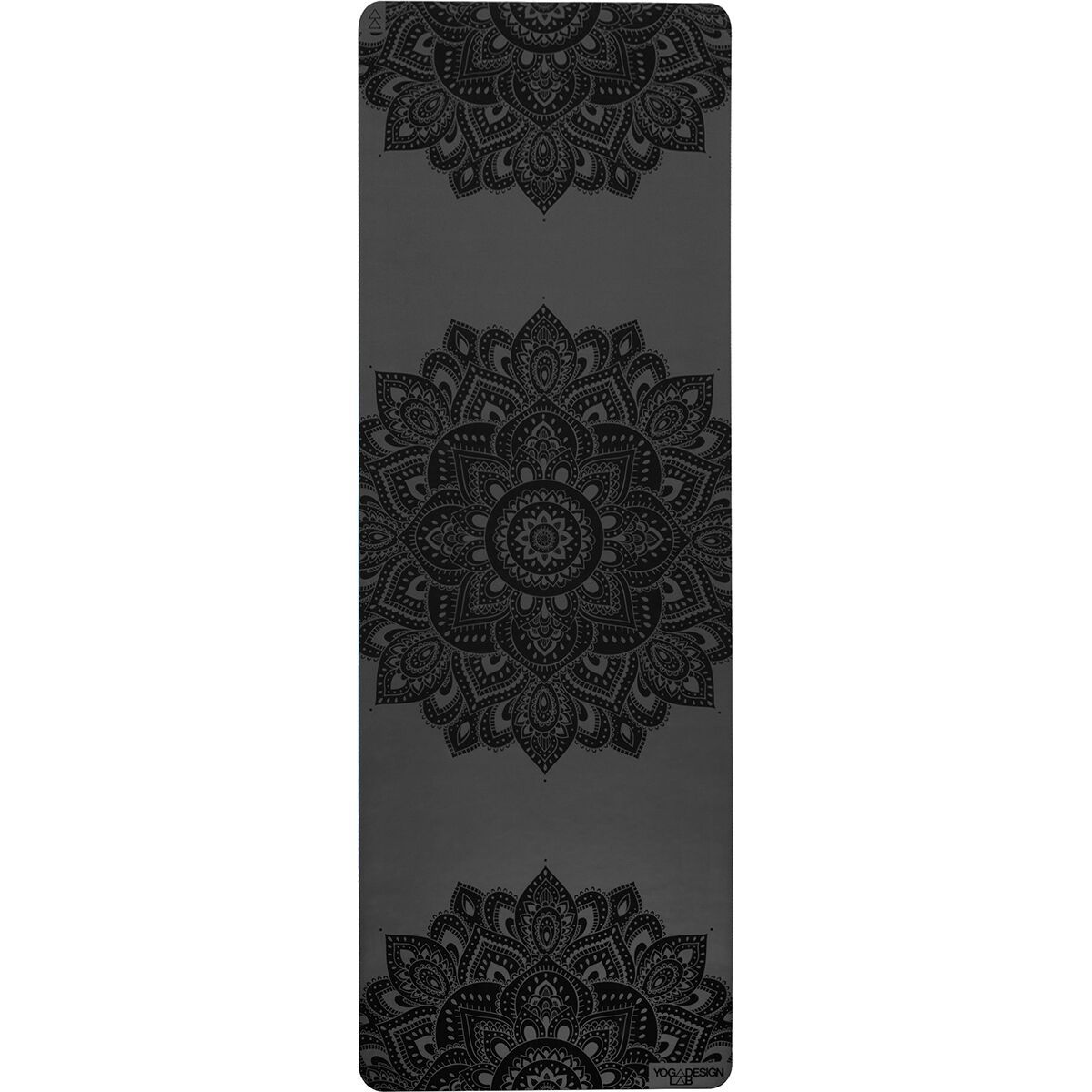
Yoga Design Lab Infinity Mat
Recovery starts with stretching. Our favorite mat for mobility work.