Blog / Recovery Gear
Best Recovery Tools 2026
The complete guide to the recovery modalities that actually move the needle for runners, cyclists, and triathletes: red light, massage, heat, cold, wearables, sleep, and supplements
Some links on this page are affiliate links. If you buy through them we may earn a commission at no extra cost to you. We never claim to have lab-tested or hands-on tested products. Our picks are researched against manufacturer specs, expert reviews, and thousands of verified owner reviews, then narrowed to what endurance athletes actually use.
There is no single best recovery tool, because recovery is not one thing. Heat, cold, light, percussion, sleep, and nutrition each work on a different system, and the right stack depends on your training load, your space, and your budget. This hub breaks down the seven recovery modalities that matter most for endurance athletes, gives you a clear top pick for each, and links you to the full buying guide when you are ready to go deeper.
Read it top to bottom to understand the landscape, or jump to the modality you are shopping for. Every pick below was researched against manufacturer specifications, expert reviews, and feedback from thousands of verified owners who train as marathoners, century cyclists, and triathletes.
Recovery Tools at a Glance
| Modality | What It Does | Best For | Full Guide |
|---|---|---|---|
| Red Light Therapy | Cellular-level support, gentle daily use | Longevity and whole-body recovery | Red light panels → |
| Massage Guns | Percussion for tight, sore muscles | Best first tool for most athletes | Massage guns → |
| Sauna & Heat | Heat stress, cardiovascular adaptation | Endurance adaptation and relaxation | Saunas → |
| Cold Plunge & Ice Baths | Blunt inflammation and soreness | Rest-day recovery and contrast therapy | Cold plunges → |
| Recovery Wearables | Track HRV, sleep, and readiness | Knowing when to push or rest | Recovery calculator → |
| Sleep Optimization | The single biggest recovery lever | Every athlete, free to start | Sleep guide → |
| Recovery Supplements | Fill genuine nutritional gaps | Protein, electrolytes, targeted aids | Supplements → |
1. Red Light Therapy
Top pick: a full-body red light panel for recovery and longevity
Red light therapy, also called photobiomodulation, uses specific wavelengths of red and near-infrared light to support recovery at the cellular level. It is gentle enough for daily use, requires no sweating or cold tolerance, and has become a staple in recovery rooms for athletes chasing both faster muscle recovery and longer-term longevity benefits. If you want to understand the mechanism before you buy, start with the red light therapy benefits explainer.
Our top-pick framing here is a full-body panel rather than a small handheld. Full-body panels deliver enough coverage and power density to treat large muscle groups in a single 10 to 15 minute session, which is what makes daily consistency realistic. For the specific models, irradiance figures, and price tiers, read the full guide.
Read the full guide: Best Red Light Panels →2. Massage Guns
Top pick: Theragun Elite
A massage gun is the most versatile and beginner-friendly recovery tool you can own. Percussion therapy helps loosen tight quads after long runs, locked-up hip flexors from hours in the saddle, and the chronic calf tightness that plagues endurance athletes, and it works for both pre-workout activation and post-workout recovery. It takes up no space and travels easily, which is why we recommend it as the first tool most athletes should buy.
The Theragun Elite is our top pick: it delivers the deepest 16mm amplitude on the market, runs quietly enough to use anywhere, and is built to last years of daily use, all without paying for the heat features of the pricier PRO Plus. The full guide compares it against Hyperice, budget options, and travel picks.
Read the full guide: Best Massage Guns 2026 →3. Sauna & Heat Therapy
Top pick: a full-spectrum infrared sauna, or a sauna blanket for small spaces
Heat therapy puts a controlled stress on your body that drives adaptation: your heart rate climbs as blood moves toward the skin, heat shock proteins help repair muscle, and regular use can raise plasma volume for better endurance performance. Infrared saunas run cooler and penetrate deeper, making longer, more comfortable sessions easier to sustain than a traditional Finnish sauna.
For athletes with the space and budget, a full-spectrum infrared cabin is the top pick. For apartments and travelers, an infrared sauna blanket delivers most of the benefit with none of the installation. The full guide breaks down infrared versus traditional, running costs, and picks at every price point.
Read the full guide: Best Home Saunas 2026 →4. Cold Plunge & Ice Baths
Top pick: a dedicated chiller tub for consistent cold without bags of ice
Cold immersion blunts inflammation and soreness, which makes it excellent for bouncing back between hard sessions and on heavy training weeks. Timing matters: cold right after a strength session can dampen some of the adaptation you are training for, so most athletes save it for rest days or pair it with heat for contrast therapy. The deliberate hot-cold cycling itself drives much of the benefit.
Our top pick is a dedicated cold plunge with a built-in chiller, because it removes the friction of hauling ice and keeps water at a consistent temperature so you actually use it. The full guide covers chiller tubs, budget ice-bath setups, and protocols.
Read the full guide: Best Cold Plunge 2026 →5. Recovery Wearables
Top pick: a wearable that tracks HRV and sleep to give you a daily readiness signal
A recovery wearable does not recover you, it measures you. By tracking heart rate variability, resting heart rate, and sleep quality overnight, a good wearable tells you whether your body is ready for a hard session or asking for an easy day. That readiness feedback loop is the real value: it turns recovery from guesswork into a daily signal you can act on, so you time your intervals and your rest days more intelligently.
We describe this as a category rather than naming a single device, because the right wearable depends on whether you prioritize a screen, a ring, or a strap, and how the data fits your routine. To put your readiness numbers to work, run the figures through our recovery calculator, and see the wider wearable and active-recovery roundup for the current landscape.
6. Sleep Optimization
Top pick: the free habit and environment changes that beat any gadget
Sleep is the single biggest recovery lever, and it is free. No massage gun, sauna, or supplement comes close to the muscle repair, hormone regulation, and central nervous system recovery that a consistent eight to nine hours delivers. For athletes in heavy training, protecting sleep is the highest-return move you can make before you spend a dollar on gear.
Our top pick here is not a product, it is a protocol: a consistent schedule, a cool dark room, a wind-down routine, and smart caffeine timing. The full guide walks through the environment, habits, and athlete-specific tactics that turn sleep into your most powerful recovery tool.
Read the full guide: Sleep Optimization for Athletes →7. Recovery Supplements
Top pick: protein and electrolytes first, targeted aids second
Supplements are the finishing layer, not the foundation. The ones with the best evidence for endurance athletes are unglamorous: enough protein to rebuild muscle, electrolytes to replace what you sweat out, and a small set of targeted aids like creatine and tart cherry that have real research behind them. The rest is mostly expensive marketing.
Our framing is to nail protein and hydration first, then add a targeted supplement only to fill a genuine gap in your training or diet. The full guide separates what works from what does not for runners and cyclists.
Read the full guide: Best Supplements for Runners & Cyclists →How to Build Your Recovery Stack
You do not need all seven tools, and buying them all at once is the fastest way to end up with a closet of gadgets you never use. Layer your stack in order of impact, adding one tool at a time and keeping only what becomes a genuine habit.
- Start with the free foundation: consistent sleep, hydration, and protein. This is where most of your recovery actually happens.
- Add your first active tool: a massage gun. It is affordable, versatile, and easy to use daily.
- Add a readiness signal: a recovery wearable so you know when to push and when to rest, then run the numbers through our recovery calculator.
- Add heat or cold for deeper adaptation: sauna, cold plunge, or both for contrast therapy, once you have the space and budget.
- Add red light and targeted supplements last: the finishing layers that round out a stack already built on solid basics.
Consistency beats equipment every time. Two tools used every week will do more for your recovery than seven that gather dust. Start where your space, budget, and discipline allow, and expand only as each tool earns its place.
Related Recovery Resources
Best Massage Guns 2026
Percussion therapy, Theragun and beyond
Best Cold Plunge 2026
Ice bath tubs for athletic recovery
Best Home Sauna 2026
Heat therapy for recovery
Foam Rolling Guide
Self-myofascial release techniques
Sleep Optimization Guide
Maximize recovery through better sleep
Recovery Calculator
Optimize your recovery timing
The Bottom Line
The best recovery tool is the one you will use consistently. Sleep is the free foundation every athlete should protect first, a massage gun is the smartest first purchase, and heat, cold, red light, wearables, and supplements each earn their place once the basics are dialed in.
Use the guides linked above to go deep on whichever modality you are shopping for next. Build your stack one layer at a time, keep what becomes a habit, and let your training data tell you what to add.
📊 Free Training Calculators
Maximize your gear with our free calculators:
Related 2026 Gear Guides
- Best Massage Guns — Percussion therapy
- Best Cold Plunges — Cold therapy
- Best Saunas — Heat therapy
- Best Yoga Mats — Stretching + mobility
- Best Compression Socks — Recovery legwear
Featured at Backcountry — 15% off first order
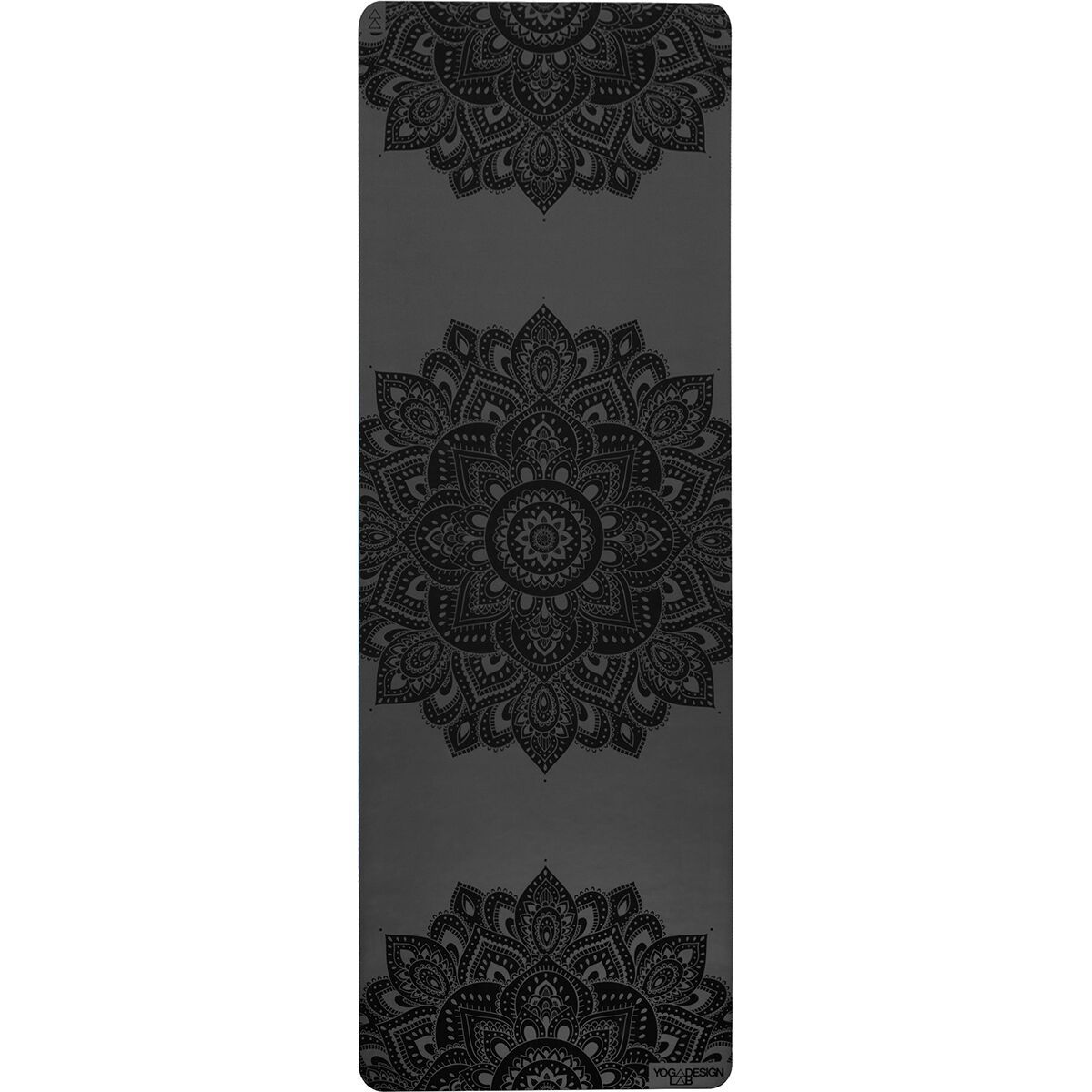
Yoga Design Lab Infinity Mat
Recovery starts with stretching. Our favorite mat for mobility work.