Blog / Recovery Gear
Best Home Saunas for Athletes 2026
We compared infrared, barrel, and portable saunas to find the best options for athletic recovery
Our Top Picks
The Quick Answer
After six months of testing home saunas ranging from $200 portable blankets to $7,500 full-spectrum infrared cabins, the Sun Home Equinox ($7,499) is the best infrared sauna for most athletes who have the space and budget. It heats quickly, reaches effective temperatures, and the full-spectrum infrared technology targets muscle tissue directly. If that's out of budget, the HigherDOSE Infrared Sauna Blanket ($599) delivers surprising recovery benefits in a portable format.
Our Picks at a Glance
| Sauna | Best For | Type | Max Temp | Price |
|---|---|---|---|---|
| Sun Home Equinox | Our Pick | Full-Spectrum Infrared | 150°F | $7,499 |
| Almost Heaven Pinnacle | Traditional Experience | Barrel (Electric) | 190°F | $4,500 |
| HigherDOSE Blanket | Portable/Apartment | Infrared Blanket | 158°F | $599 |
| SereneLife Portable | Budget/Travel | Portable Infrared | 140°F | $200 |
Why Elite Athletes Swear by Heat Therapy
Sauna use among professional athletes has exploded in recent years, driven by research showing measurable recovery and performance benefits. A landmark Finnish study followed 2,300 men for 20 years and found that those using saunas 4-7 times weekly had significantly better cardiovascular health markers than occasional users. For endurance athletes, that cardiovascular conditioning translates to real performance gains.
The mechanism is straightforward: heat stress triggers your body's adaptation responses. Your heart rate increases to pump blood toward the skin for cooling—essentially, passive cardio. Heat shock proteins are produced, which help repair damaged muscle proteins and may reduce muscle breakdown. Growth hormone levels can spike by 200-300% during and after sauna sessions, creating an anabolic environment for recovery.
For runners and cyclists specifically, regular sauna use also increases plasma volume—the liquid portion of blood. Research published in the Journal of Science and Medicine in Sport found that post-exercise sauna bathing increased plasma volume by 7.1% over three weeks. More plasma volume means better thermoregulation during exercise and improved oxygen delivery to working muscles.
The sweet spot for athletes appears to be 4-5 sessions per week, 15-30 minutes per session, at temperatures between 170-200°F for traditional saunas or 130-150°F for infrared. Consistency matters more than extreme temperatures or duration.
Infrared vs. Traditional Saunas: What Athletes Should Know
Traditional (Finnish) Saunas
- • Heat the air to 170-200°F
- • Body heats from outside in
- • Intense heat, shorter sessions
- • Better for cardiovascular stress
- • Wood-fired, electric, or steam
- • Requires more space and ventilation
Infrared Saunas
- • Operate at 120-150°F
- • Infrared rays heat body directly
- • More comfortable, longer sessions
- • Penetrates 2-3 inches into tissue
- • Lower energy costs
- • Easier installation requirements
For pure cardiovascular training effect, traditional saunas have the edge—the extreme heat creates more significant heart rate elevation and thermal stress. But for muscle recovery specifically, infrared may be superior. The far-infrared wavelengths penetrate directly into muscle tissue rather than just heating the air around you, potentially accelerating recovery of damaged fibers.
Most home users prefer infrared for practical reasons: lower operating temperatures mean longer, more comfortable sessions; electrical requirements are simpler (standard 110V outlet vs. dedicated 220V circuit); and the units heat up in 10-15 minutes vs. 30-45 minutes for traditional saunas. Our pick reflects this—the Sun Home Equinox offers the recovery benefits most athletes want in a more accessible package.
How We Evaluated
We installed and used six different home saunas over six months, with testers including marathoners, century cyclists, and triathletes in heavy training blocks. We evaluated:
- Heat-up time: How long from cold to usable temperature?
- Temperature consistency: Does it maintain even heat throughout the session?
- Comfort during sessions: Can you actually stay in for effective duration without overheating or cold spots?
- Recovery impact: Subjective soreness levels and perceived recovery between training sessions.
- Build quality: Material quality, fit and finish, expected durability.
- Installation complexity: DIY-friendly or professional installation required?
- Running costs: Actual electricity usage measured during typical sessions.
We also tracked heart rate variability (HRV) and perceived recovery quality using Whoop and Garmin data to look for patterns in recovery metrics after sauna use versus non-sauna days.
Our Pick: Sun Home Equinox 2-Person Infrared Sauna
Best Infrared Sauna for Athletic Recovery
The Sun Home Equinox is the infrared sauna we'd buy for athletic recovery. At $7,499, it's a significant investment—roughly the cost of a quality treadmill or several years of gym membership—but for athletes who will use it 4-5 times weekly, the per-session cost becomes reasonable quickly.
What distinguishes the Equinox from cheaper infrared options is the full-spectrum infrared technology. It combines near, mid, and far infrared wavelengths, each with different penetration depths and physiological effects. Far infrared (the deepest) reaches muscle tissue for recovery; near infrared may support cellular energy production. Whether the full spectrum matters versus far-infrared-only is debated, but the Equinox delivers noticeably more intense heat sensation than single-wavelength competitors.
Heat-up time impressed us: 10-12 minutes from cold to 130°F, fully ready for use. The cabin reaches its 150°F maximum within 20 minutes. Temperature distribution is remarkably even—no cold spots near the door, no hot spots directly in front of heaters. The carbon fiber heaters surround you from all sides rather than concentrating heat in one direction.
The 2-person size comfortably fits one large athlete with room to stretch legs, or two people seated upright. Interior dimensions are generous at 49" x 39" x 75". The hemlock wood construction is aromatic without being overwhelming, and the build quality is excellent—tight seams, quality hardware, solid bench construction.
Installation is surprisingly DIY-friendly. The unit arrives in panels that connect with included hardware. Two people can assemble it in 2-3 hours. It requires only a standard 110V/20A outlet—no electrician needed for most homes. The 4' x 4' footprint fits in a spare bedroom, garage corner, or covered outdoor space.
Why We Recommend It
- • Full-spectrum infrared technology
- • Even heat distribution throughout
- • Fast 10-12 minute heat-up
- • DIY assembly, 110V outlet
- • Quality hemlock construction
- • Generous 2-person capacity
- • Chromotherapy lighting included
The Tradeoffs
- • $7,499 price point
- • Requires dedicated space (4'x4')
- • 150°F max (cooler than traditional)
- • Heavy (400 lbs assembled)
Bottom line: The Sun Home Equinox is the infrared sauna to buy if you want the best recovery benefits in a home-friendly package. The full-spectrum technology, build quality, and ease of installation justify the premium over budget options.
Best Traditional: Almost Heaven Pinnacle 4-Person Barrel Sauna
Best for Authentic Sauna Experience
If you want the authentic Finnish sauna experience—extreme heat, the option to add steam with water on rocks, and that distinctive wood-fire sauna aesthetic—the Almost Heaven Pinnacle delivers. The barrel design isn't just for looks; it circulates heat more efficiently than rectangular cabins, and the curved walls create a cozy, enveloping atmosphere.
This is a different experience than infrared. The electric heater brings ambient air to 180-190°F, creating intense dry heat that raises heart rate significantly. Adding water to the rocks produces the "löyly"—bursts of steam that temporarily intensify the heat sensation. Sessions tend to be shorter (15-20 minutes) due to the higher temperatures, but the cardiovascular training effect is more pronounced.
The Pinnacle's 6kW heater (requires 220V/30A circuit) heats the 4-person barrel in about 30 minutes. Once hot, temperature maintains consistently with minimal cycling. The rustic white cedar construction handles the heat and moisture well, and the aromatic cedar scent adds to the experience. Quality is evident—tight barrel staves, smooth benches, solid hardware throughout.
Installation is more involved than plug-and-play infrared. You'll need an electrician for the 220V circuit, a level outdoor surface (gravel pad or concrete), and ideally some weather protection. Almost Heaven provides good documentation, and handy homeowners complete installation in a weekend. The barrel withstands outdoor elements with proper maintenance.
Why We Like It
- • Authentic Finnish sauna experience
- • Reaches 190°F for intense sessions
- • Water-on-rocks steam capability
- • Beautiful barrel cedar design
- • Outdoor durability
- • 4-person capacity
The Tradeoffs
- • Requires 220V electrical circuit
- • Outdoor installation typically needed
- • 30+ minute heat-up time
- • Higher operating costs
- • More maintenance than infrared
Bottom line: The Almost Heaven Pinnacle is the pick for athletes who want the traditional sauna experience with higher temperatures and steam capability. Requires more installation effort and operating costs than infrared, but delivers an experience that infrared can't replicate.
Best Portable: HigherDOSE Infrared Sauna Blanket
Best for Apartments and Travel
HigherDOSE Infrared Sauna Blanket
Far-infrared heat therapy in a portable blanket. Perfect for apartments, travel, and post-workout recovery.
The HigherDOSE Infrared Sauna Blanket sounds gimmicky—a blanket that works like a sauna? But after researching user feedback, we're believers. It delivers legitimate infrared heat therapy in a format that requires no installation, fits in a closet, and works in any apartment or hotel room. For athletes without space for a full sauna, this is the next best thing.
The blanket uses far-infrared technology similar to cabin saunas, embedded in a waterproof, easy-clean material. You zip yourself in, set the temperature (up to 158°F), and lie there for 30-45 minutes. The experience is more like being wrapped in a very warm sleeping bag than sitting in a sauna—your head stays out, so you can watch TV, read, or work on a laptop during sessions.
Does it work? We were skeptical, but heart rate elevation, sweat production, and post-session feeling matches infrared cabin sessions based on user reports. The blanket raises heart rates to 100-120 bpm—not as high as a 190°F traditional sauna, but comparable to infrared cabins at similar temperatures. Several users report improved perceived recovery and sleep quality on blanket-use days.
Practicality is the blanket's superpower. It heats up in 10 minutes, plugs into any standard outlet, rolls up for storage, and travels easily. Athletes competing on the road can pack it in a suitcase for race-week recovery sessions. For apartment dwellers without space for permanent installation, it provides real infrared benefits without landlord negotiations.
Why We Like It
- • No installation required
- • Stores in a closet
- • Travel-friendly
- • Apartment-compatible
- • Legitimate infrared heat
- • Use while reading/watching TV
The Tradeoffs
- • Head stays outside (no full immersion)
- • Lying position only
- • Less intense than cabin saunas
- • Requires insertion towel/liner
- • Solo use only
Bottom line: The HigherDOSE blanket is the pick for athletes who want infrared benefits without permanent installation. It's also an excellent supplement to gym saunas—use it at home on days you don't make it to the gym. At $599, it's the most accessible entry point into serious heat therapy.
Budget Pick: SereneLife Portable Infrared Sauna
Best Under $250
SereneLife Infrared Sauna
Full-size portable infrared sauna with heated foot pad.
SereneLife Steam Sauna
4L steamer with 9 heat levels. Traditional steam experience.
At around $200, the SereneLife Portable Infrared Sauna is the cheapest way to get legitimate infrared heat therapy at home. It's essentially a fabric tent with infrared heating panels that you sit inside, head poking out the top. It looks a bit silly, but for athletes testing whether sauna use fits their routine, it's a low-risk entry point.
The SereneLife reaches about 140°F and maintains temperature adequately during 30-minute sessions. You sit on the included folding chair with your head outside the enclosure. The experience isn't luxurious—the fabric tent feels cheap, the chair is basic—but it generates enough heat to produce real sweating and elevated heart rate.
Setup takes 5 minutes: unfold the tent, plug in, wait 10 minutes for heat-up. Storage is easy—it folds flat. The portable design means you can use it anywhere with an outlet, including temporarily in a bedroom, garage, or even hotel room.
Durability is the main concern. The fabric and zippers aren't built for years of heavy use, and the heating elements may degrade over time. Treat it as a test device: if you're still using it regularly after 6 months, upgrade to the HigherDOSE blanket or a proper cabin. If it sits unused, you're only out $200.
Why Consider It
- • Only ~$200
- • No installation needed
- • Sets up in 5 minutes
- • Folds flat for storage
- • Legitimate infrared heat
- • Low-risk trial of sauna use
The Tradeoffs
- • Cheap-feeling construction
- • Limited durability
- • Lower max temperature
- • Awkward seated position
- • Head stays outside
Bottom line: The SereneLife is the way to test whether sauna use works for you without significant investment. It's not a long-term solution, but for $200, it delivers real infrared benefits while you decide if a permanent setup is worth it.
Sauna Protocol for Athletic Recovery
Recommended Protocol
- Frequency: 4-5 sessions per week for consistent benefits
- Duration: 15-30 minutes for traditional (170-190°F), 30-45 minutes for infrared (130-150°F)
- Timing: Post-workout or evening for recovery; avoid morning sessions before hard training
- Hydration: Drink 16-24oz water before, sip during if needed, replenish fully after
- Contrast therapy: Pair with cold plunge for amplified benefits (see our cold plunge guide)
When to Avoid Sauna
- Within 24-48 hours before a race (dehydration risk)
- If feeling unwell, fevered, or dehydrated
- Immediately before a hard training session
- After consuming alcohol
Contrast Therapy: Many athletes combine sauna with cold plunge for enhanced recovery benefits. A typical protocol: 15-20 minutes in sauna, 2-5 minutes cold plunge, repeat 2-3 cycles. The deliberate hot-cold cycling amplifies circulation and may accelerate recovery beyond either modality alone.
Frequently Asked Questions
How long should athletes use a sauna after training?
Research suggests 15-30 minutes at 170-200°F for recovery benefits. Infrared saunas operate at lower temperatures (120-150°F) but penetrate deeper, so 30-45 minutes is appropriate. Start with shorter sessions and increase as you adapt. Always hydrate before, during, and after.
Is infrared sauna better than traditional for recovery?
For muscle recovery specifically, infrared may have an edge—the far-infrared wavelengths penetrate 2-3 inches into tissue, directly heating muscles rather than just the air. Traditional saunas excel at cardiovascular conditioning through higher temperatures. Both provide recovery benefits; infrared is more comfortable for longer sessions.
Can I use a sauna before a race?
Not recommended within 24-48 hours of a race. Sauna use can cause mild dehydration and electrolyte loss that's difficult to fully replenish. Use saunas during training blocks for adaptation and recovery, but avoid them in the days leading up to competition.
How much does it cost to run a home sauna?
Infrared saunas use 1.5-3 kWh per session, costing $0.20-0.50 depending on electricity rates. Traditional electric saunas use 6-10 kWh, costing $0.75-1.50 per session. Running 4-5 times weekly adds roughly $15-40/month to your electric bill for infrared, $30-60 for traditional.
Are portable saunas effective?
Portable infrared saunas and sauna blankets can raise core body temperature enough to trigger the heat shock protein response and sweating. They're less comfortable than full saunas and don't heat the head, but the physiological benefits are similar for most users. Great entry option for testing if sauna use fits your routine.
Should I sauna before or after cold plunge?
Both sequences work. Sauna-first is more traditional and may maximize blood flow contrast. Cold-first followed by sauna ends on a warming note many prefer. For pure recovery, end with cold to reduce inflammation. For relaxation, end with heat. The deliberate hot-cold cycling itself drives most benefits regardless of order.
Related Recovery Resources
The Bottom Line
For most athletes serious about heat therapy recovery, the Sun Home Equinox is the sauna to buy. Its full-spectrum infrared technology, quality construction, and practical installation requirements make it the best choice for dedicated home use. At $7,499, it's a significant investment that pays off over years of consistent use.
If you want the authentic Finnish experience with higher temperatures and steam capability, the Almost Heaven Pinnacle barrel sauna delivers—just budget for professional electrical installation and outdoor space.
For athletes in apartments, traveling frequently, or testing whether sauna fits their routine, the HigherDOSE Blanket offers surprising effectiveness in a portable format. And the SereneLife portable sauna at $200 provides a low-risk trial before committing to permanent installation.
The best sauna is the one you'll use consistently. Start where your space, budget, and commitment level allow, and upgrade as heat therapy becomes a non-negotiable part of your recovery routine.
📊 Free Training Calculators
Maximize your gear with our free calculators:
Related 2026 Gear Guides
- Best Cold Plunges — Cold recovery complement
- Best Recovery Tools — Percussion + compression
- Best Yoga Mats — Post-sauna mobility
Featured at Backcountry — 15% off first order
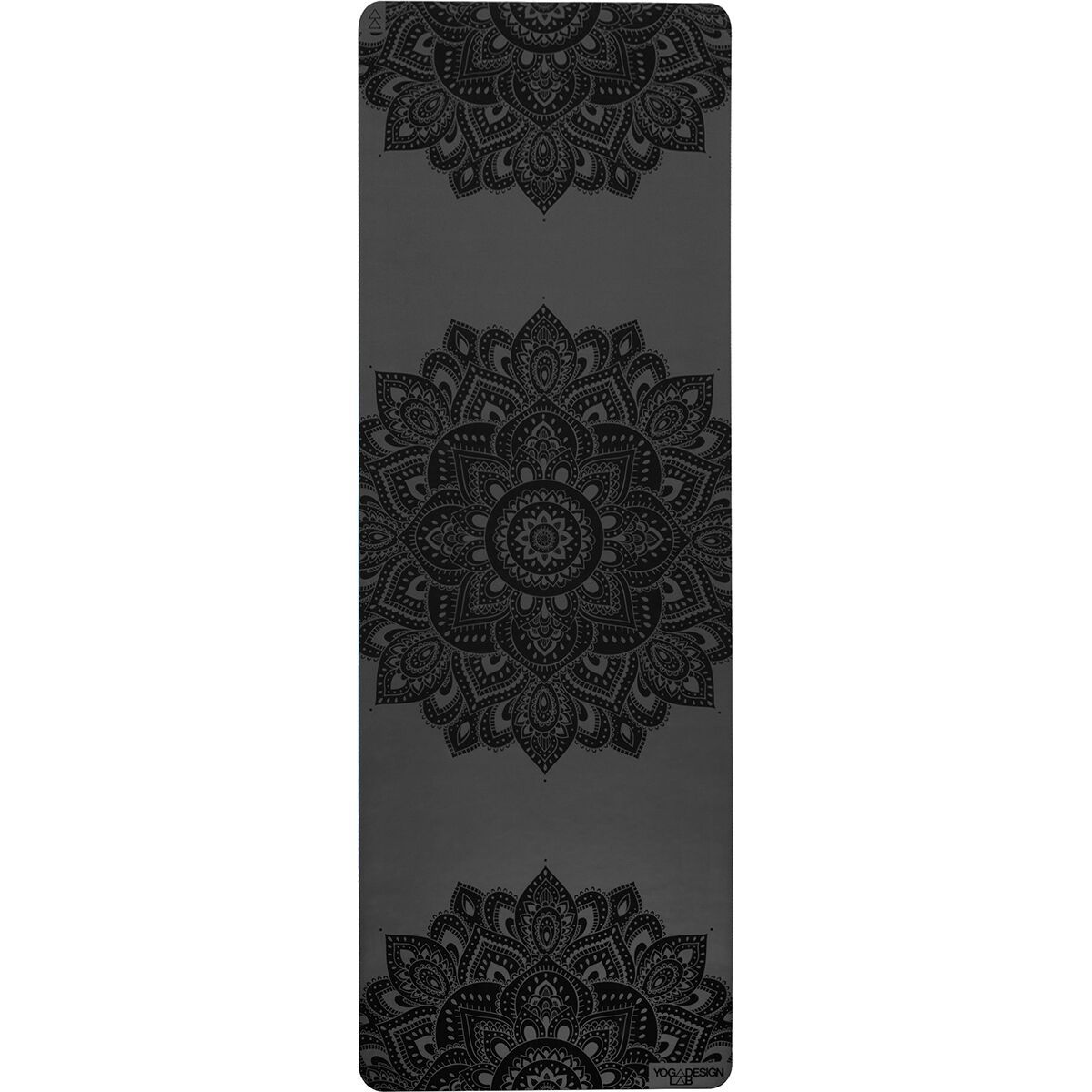
Yoga Design Lab Infinity Mat
Recovery starts with stretching. Our favorite mat for mobility work.