HRV Training Guide 2026: Heart Rate Variability for Endurance Athletes
Your heart doesn't beat like a metronome - and that's a good thing. Learn to use heart rate variability to optimize recovery, prevent overtraining, and peak for your most important races.
HRV training means using heart rate variability, the beat-to-beat variation in time between heartbeats, to decide how hard to train each day. Higher HRV relative to your own baseline signals a recovered nervous system that is ready for intensity; suppressed HRV signals accumulated fatigue and a day to go easy. Here is the whole method in five steps:
- Measure every morning before getting out of bed, same position, same device, 1-5 minutes.
- Build a baseline from at least 7 days (ideally 4-6 weeks) of readings; HRV is individual, so only compare against yourself.
- Train as planned when HRV sits within your normal range.
- Swap intensity for easy work when HRV is suppressed 3 or more days in a row.
- Act on 7-day trends, not single readings; one low morning after poor sleep or alcohol means little.
Table of Contents
1. What is Heart Rate Variability?
Heart Rate Variability (HRV) measures the variation in time between consecutive heartbeats. While your heart rate might be 60 BPM on average, the individual beat-to-beat intervals vary - one might be 980ms, the next 1020ms, then 990ms. This variation is controlled by your autonomic nervous system and reflects your body's ability to adapt to stress.
The Key Insight
Higher HRV generally indicates a body that's recovered, adaptable, and ready for stress (like training). Lower HRV suggests accumulated fatigue, stress, or the need for recovery. It's essentially a window into your nervous system's state.
The Autonomic Nervous System
Your autonomic nervous system has two branches that influence HRV:
Parasympathetic (Rest & Digest)
- Promotes recovery and relaxation
- Increases HRV
- Active during rest, sleep, recovery
- Releases acetylcholine (fast-acting)
Sympathetic (Fight or Flight)
- Prepares body for action/stress
- Decreases HRV
- Active during exercise, stress
- Releases adrenaline (slower-acting)
Common HRV Metrics
| Metric | What It Measures | Used For |
|---|---|---|
| rMSSD | Root mean square of successive differences | Most common for athletes; reflects parasympathetic activity |
| SDNN | Standard deviation of NN intervals | Overall HRV; needs longer recording (5+ min) |
| HRV Score | Transformed/normalized value | App-specific; easier to interpret (e.g., 1-100) |
| LF/HF Ratio | Low frequency to high frequency ratio | Sympathetic/parasympathetic balance |
2. Why HRV Matters for Athletes
HRV provides an objective, daily measure of your body's recovery status and readiness to train. Unlike subjective feelings (which can be misleading), HRV gives you physiological data about your nervous system's state.
Benefits of HRV-Guided Training
- Prevent overtraining: Catch accumulated fatigue before it becomes overreaching or overtraining syndrome
- Optimize hard days: Train hard when you're actually recovered, not just when the plan says so
- Improve recovery: Validate that recovery interventions are actually working
- Peak for races: Track supercompensation during taper to time peak fitness
- Monitor life stress: See how work, travel, and life affect recovery
- Personalize training: Learn your individual recovery patterns and needs
Research Support
A 2024 meta-analysis found that HRV-guided training resulted in 8-15% greater performance improvements compared to traditional periodization, primarily by better timing of hard and easy days and reducing maladaptive overreaching.
What HRV Tells You
High HRV (Above Your Baseline)
Generally indicates: recovered, low stress, ready for high-intensity training, good sleep, body in adaptive state.
Low HRV (Below Your Baseline)
May indicate: accumulated fatigue, high stress, illness onset, poor sleep, need for recovery, or high training load adaptation.
Stable HRV (At Your Baseline)
Indicates: balanced state, normal training can proceed, good equilibrium between stress and recovery.
3. How to Measure HRV Correctly
Accurate HRV measurement requires consistency. Small variations in your measurement protocol can significantly affect readings, making trends hard to interpret. Follow these guidelines for reliable data:
The Gold Standard Protocol
Daily Morning HRV Measurement
- 1. Wake naturally - Avoid alarm if possible; same wake time helps
- 2. Stay in bed - Don't get up, don't check phone
- 3. Same position - Lying supine is best; seated is okay if consistent
- 4. Start immediately - Within first 5 minutes of waking
- 5. Breathe normally - Don't control or pace breathing
- 6. Record for 1-5 minutes - Longer isn't always better; consistency matters
- 7. Log context - Note sleep, alcohol, stress, training from previous day
Measurement Devices
| Device Type | Accuracy | Best For |
|---|---|---|
| Chest Strap HR Monitor | Excellent (ECG-grade) | Gold standard, most accurate |
| Finger Sensor (Oura, etc.) | Very Good | Overnight/passive tracking |
| Smartwatch (Garmin, Apple, etc.) | Good to Very Good | Convenience, integration with training |
| Phone Camera (PPG) | Moderate | Budget option, less reliable |
Common Measurement Mistakes
- Measuring at different times of day
- Measuring after getting up and moving around
- Different body positions (lying vs. seated)
- Checking phone/email before measuring (stress response)
- Using different devices or apps
- Rushing the measurement (too short)
4. Interpreting Your HRV Data
The most common mistake athletes make is comparing their HRV to others. HRV is highly individual - what matters is YOUR baseline and YOUR trends. A 25-year-old elite runner might have an rMSSD of 120ms while a 50-year-old recreational cyclist has 45ms, and both could be perfectly healthy.
Establishing Your Baseline
Before you can interpret HRV data, you need a personal baseline. This takes 2-4 weeks of consistent daily measurements:
- Measure every morning for 14-28 days minimum
- Include both training and rest days
- Note factors that affect readings (sleep, alcohol, stress)
- Calculate your 7-day rolling average as baseline
- Note your normal day-to-day variability (coefficient of variation)
What to Look For
Trend Analysis (Most Important)
Look at 7-day rolling averages rather than single readings. A consistent downward trend over 5-7 days is more meaningful than one low reading. Similarly, a rising trend during taper indicates supercompensation.
Variability of HRV (CV%)
Some variation is normal and healthy. If your HRV becomes unusually stable (low variability) or erratic (high variability), it can indicate stress or maladaptation. Moderate day-to-day variation is ideal.
Deviation from Baseline
Most apps flag readings that deviate significantly from your baseline. A reading 1+ standard deviations below baseline warrants attention; 2+ standard deviations is a strong signal.
HRV Interpretation Guide
| Pattern | Possible Meaning | Action |
|---|---|---|
| Elevated HRV trend | Good recovery, fresh state | Green light for hard training |
| Single low reading | Poor sleep, alcohol, or random variation | Proceed cautiously; note context |
| 3+ days suppressed | Accumulated fatigue | Reduce intensity or add rest day |
| Steadily declining trend | Overreaching risk | Reduce training load immediately |
| Abnormally high single reading | Parasympathetic saturation or illness onset | Monitor for sickness; easy day |
5. Using HRV to Guide Training Decisions
HRV should inform - not dictate - your training. Use it as one data point alongside subjective feelings, training history, and upcoming goals. Here's how to practically apply HRV insights:
The HRV-Guided Training Framework
Green Light: HRV At or Above Baseline
- Execute planned training as scheduled
- Good day for high-intensity or long sessions
- Consider pushing slightly harder if feeling good
Yellow Light: HRV Slightly Below Baseline (1 SD)
- Proceed with caution
- Easy training or moderate intensity okay
- Avoid pushing hard; listen to body during session
- Consider swapping hard day for easy if possible
Red Light: HRV Significantly Below Baseline (2+ SD) or Multi-Day Suppression
- Rest day or very easy recovery session only
- Prioritize sleep and recovery
- Adjust training plan for the week
- Monitor for illness symptoms
HRV-Guided vs. Traditional Periodization
Two approaches exist for using HRV in training:
Fully HRV-Guided
Let daily HRV determine training intensity:
- + Optimizes recovery
- + Prevents overtraining
- - Less predictable schedule
- - May miss planned group workouts
HRV-Informed Traditional
Follow a plan but modify based on HRV:
- + Maintains training structure
- + Allows planning
- + Uses HRV as override signal
- - May occasionally train when not optimal
Practical Recommendation
Most athletes do best with HRV-informed traditional training. Follow your plan, but use HRV to: (1) swap hard and easy days within a week if needed, (2) add extra rest days when significantly suppressed, and (3) build confidence that your recovery is on track.
6. HRV & Recovery Optimization
HRV provides objective feedback on whether your recovery strategies are actually working. Track HRV while implementing recovery interventions to see what moves the needle for YOU.
Recovery Factors That Impact HRV
| Factor | Impact on HRV | Notes |
|---|---|---|
| Sleep (quality & quantity) | Very High | Most important single factor |
| Alcohol | High (negative) | Even 1-2 drinks suppress HRV overnight |
| Mental/emotional stress | High | Work stress affects physical recovery |
| Late eating | Moderate | Large meals close to bed suppress HRV |
| Hydration | Moderate | Dehydration lowers HRV |
| Meditation/breathing | Moderate (positive) | Regular practice improves baseline |
| Temperature (room) | Low-Moderate | Cooler sleep environment helps HRV |
Using HRV to Validate Recovery
Track HRV while testing recovery interventions to see what works for you:
- Sleep optimization: Does earlier bedtime actually improve next-day HRV?
- Alcohol: How many days does 2-3 drinks affect your recovery?
- Compression: Does wearing compression overnight change morning HRV?
- Cold exposure: How does your HRV respond to cold showers or ice baths?
- Meditation: Track HRV before and after evening meditation routine
7. Factors That Affect HRV
Understanding what influences HRV helps you interpret readings correctly and optimize your baseline over time.
Uncontrollable Factors
- Age: HRV naturally decreases with age (starts dropping after ~25-30)
- Genetics: Some people naturally have higher or lower HRV
- Gender: Females may show HRV variation with menstrual cycle
- Time of year: Seasonal variation is normal
Training-Related Factors
- Acute training load: Hard sessions temporarily suppress HRV
- Chronic training load: Prolonged heavy training accumulates fatigue
- Fitness level: Well-trained athletes tend to have higher baseline HRV
- Training phase: Build phases show different patterns than rest phases
- Taper: HRV often rises during successful taper (supercompensation)
Lifestyle Factors
HRV Suppressors
- Poor or insufficient sleep
- Alcohol (even moderate amounts)
- High stress (work, life, emotional)
- Illness or fighting infection
- Dehydration
- Late heavy meals
- Travel and jet lag
- Hot sleeping environment
HRV Boosters
- Quality sleep (7-9 hours)
- Consistent sleep schedule
- Meditation and breathing exercises
- Proper hydration
- Balanced nutrition
- Time in nature
- Social connection
- Aerobic fitness improvements
8. Best HRV Apps & Devices 2026
The HRV tracking landscape continues to evolve. Here are the top options for endurance athletes in 2026:
Dedicated HRV Apps
HRV4Training
Gold standard for athletes. Uses phone camera or chest strap. Excellent trend analysis and training guidance.
Best for: Serious athletes who want detailed insights
Elite HRV
Comprehensive platform with morning readiness scores. Integrates with many devices.
Best for: Those wanting simple daily guidance
Wearable Devices with HRV
Top HRV Wearables for Athletes
Passive overnight tracking with excellent sleep analysis. HRV measured during sleep for true resting values.
Continuous strain and recovery monitoring. Built specifically for athletes with excellent HRV insights.
HRV Status feature tracks trends over time. Integrated with training load and body battery.
ECG-accurate for morning readings. Use with HRV apps for most precise data.
9. Advanced HRV Strategies
HRV for Race Peaking
During a taper, HRV typically rises as accumulated fatigue dissipates. Track this pattern to time your peak:
- HRV rising during taper = fatigue clearing, good sign
- HRV plateauing at elevated level = peaked, ready to race
- HRV declining during taper = possible illness or excessive rest
HRV Biofeedback Training
You can train your nervous system to improve HRV through breathing exercises:
Resonance Frequency Breathing
Find your personal resonance frequency (usually 4.5-7 breaths per minute) where HRV is maximized. Practice 10-20 minutes daily to train your parasympathetic system.
- Start with 6 breaths per minute (5 sec in, 5 sec out)
- Use HRV biofeedback app to see real-time response
- Adjust rate to find your personal maximum
- Regular practice raises baseline HRV over time
Detecting Illness Early
HRV can sometimes detect illness 1-2 days before symptoms appear. An unexpectedly low reading (or paradoxically high reading in some cases) without explanation may indicate your immune system is fighting something.
Track HRV accurately
Reliable HRV data depends on your sensor. See our hands-on guides to the best heart rate monitors for 2026 and the best running watches with built-in HRV and recovery scores — or, for a dedicated recovery band, our Whoop vs Oura vs Fitbit comparison.
10. Frequently Asked Questions
What is HRV training?
HRV training is the practice of using daily heart rate variability readings to guide how hard you train. You measure HRV every morning before getting out of bed, build a personal baseline over at least a week, then train normally when HRV is in your usual range and replace intensity with easy work when HRV is suppressed for 3 or more consecutive days. Because HRV reflects nervous system recovery, this approach times hard sessions for days your body can absorb them and helps prevent overtraining.
How long until I see HRV improve with training?
Baseline HRV improvements from training typically appear over 4-12 weeks of consistent aerobic training. You may notice day-to-day patterns sooner. Significant baseline increases can take 6+ months of focused training.
My HRV is always lower after hard workouts - is that normal?
Yes, completely normal. HRV typically drops for 24-72 hours after hard training as your body recovers. This is the expected acute response. Concern arises when HRV doesn't return to baseline within a few days.
Should I measure HRV on rest days?
Yes! Measuring every day, including rest days, gives you the most complete picture. Rest day readings help establish your recovered baseline and show how quickly you bounce back from training.
Why is my HRV sometimes higher after a hard day?
This can indicate parasympathetic rebound - your nervous system overcompensating after stress. It's often seen 48-72 hours post-hard effort as part of normal recovery. Very high HRV can also precede illness in some cases.
Can I use HRV during exercise, not just morning readings?
During exercise, HRV is naturally suppressed and less useful for recovery tracking. However, some coaches use HRV recovery rates post-exercise as fitness indicators. Morning resting HRV remains the gold standard for training guidance.
How does HRV relate to resting heart rate?
They're related but distinct. Low resting HR generally correlates with fitness, but doesn't capture the nuance that HRV does. You can have low RHR and low HRV (overtrained) or high RHR and recovering HRV. HRV provides earlier warning signals.
Key Takeaways: HRV Training
- 1. HRV measures nervous system state - higher generally means better recovered and ready to train
- 2. Consistency is key: same time, position, and device every morning for reliable data
- 3. Focus on YOUR trends over 7+ days rather than single readings or comparison to others
- 4. Use HRV to inform training decisions: green light for hard days, yellow/red light for recovery
- 5. Sleep, alcohol, and stress are the biggest lifestyle factors affecting HRV
- 6. Track HRV during taper to validate supercompensation and optimal race timing
Featured at Backcountry — 15% off first order
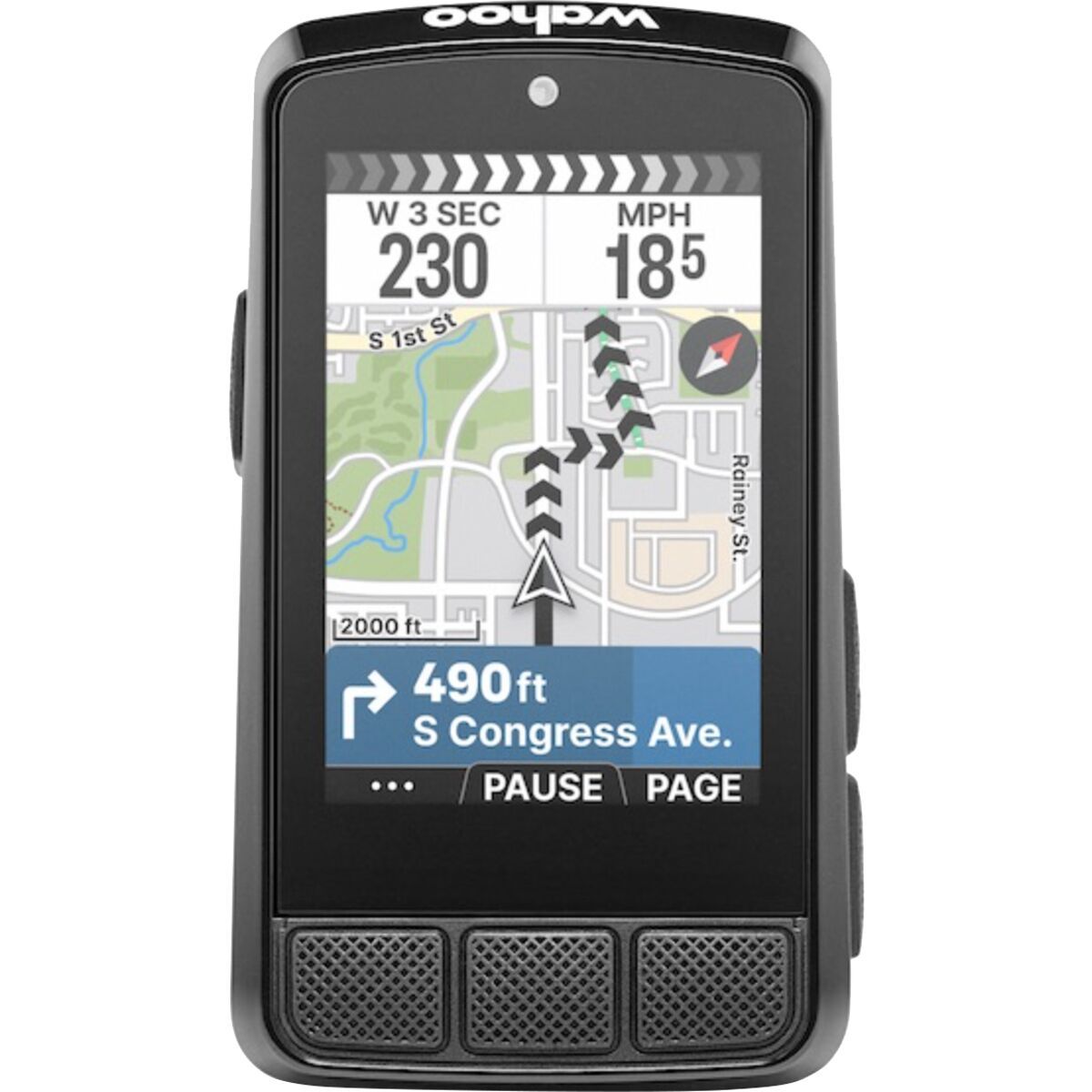
Wahoo ELEMNT BOLT 3
Pair with any ANT+ or Bluetooth HR monitor. Displays training zones in real time.