
Introduction: The Most Trainable Performance Factor
In the world of endurance sports, lactate threshold (LT) stands as the single most predictive measure of performance for events lasting from 30 minutes to several hours. While VO2max gets more attention, it's largely genetically determined and responds minimally to training. Lactate threshold, by contrast, is highly trainable—athletes can improve their LT pace by 10-20% or more through proper training.
Your lactate threshold determines the fastest pace you can sustain without progressively accumulating fatigue. It's the intensity ceiling for marathon running, century cycling, and Ironman racing. Raise this ceiling, and you automatically become faster at everything from 10K runs to long training rides.
This guide will demystify lactate threshold—explaining the science, teaching you how to test it, and providing specific workouts to push it higher. Whether you're a runner, cyclist, or triathlete, understanding and training your LT is the key to unlocking your endurance potential.
Why Lactate Threshold Matters
- Performance prediction: LT correlates more strongly with race performance than VO2max
- Highly trainable: Can improve 10-20%+ with proper training
- Sustainable pace: Defines your ceiling for prolonged efforts
- Training anchor: Sets appropriate zones for all workout intensities

The Science of Lactate
Lactate has been misunderstood for decades. Once vilified as a "waste product" causing muscle burn and fatigue, we now know lactate is actually a valuable fuel source and critical signaling molecule. Understanding lactate physiology is essential for effective training.
What Is Lactate?
Lactate is produced constantly by working muscles, even at rest. During exercise, carbohydrate (glucose and glycogen) is broken down through glycolysis, producing pyruvate. When oxygen is plentiful, pyruvate enters the mitochondria for aerobic energy production. When energy demand exceeds aerobic capacity, pyruvate is converted to lactate, allowing glycolysis to continue.
Lactate as Fuel
Far from being a waste product, lactate is shuttled through the bloodstream to other tissues—including the heart, brain, and resting muscles—where it's converted back to pyruvate and used for fuel. The liver also converts lactate back to glucose (gluconeogenesis), helping maintain blood sugar during exercise.
The Lactate Shuttle
The "lactate shuttle" describes this movement of lactate between producing and consuming tissues. Training improves both sides: enhanced lactate production capacity in fast-twitch fibers and improved lactate clearance/oxidation in slow-twitch fibers and other tissues. This is one reason why lactate threshold is so trainable.
Blood Lactate Levels by Exercise Intensity
| Intensity | Blood Lactate | Description |
|---|---|---|
| Rest | 0.5-1.0 mmol/L | Baseline production |
| Easy aerobic | 1.0-2.0 mmol/L | Production = clearance |
| LT1 (aerobic threshold) | ~2.0 mmol/L | First lactate inflection |
| LT2 (anaerobic threshold) | ~4.0 mmol/L | Maximal steady state |
| Maximal | 10-20+ mmol/L | Rapid accumulation |
What Causes "The Burn"?
The burning sensation during intense exercise isn't directly caused by lactate, but by hydrogen ions (H+) that accumulate alongside lactate production. These hydrogen ions lower muscle pH (acidosis), interfering with muscle contraction and enzyme function. Training improves buffering capacity and acid tolerance, allowing higher work rates before failure.
Key Lactate Threshold Concepts
The term "lactate threshold" is used broadly, but exercise physiologists actually distinguish between multiple inflection points. Understanding these concepts helps you train more precisely.
LT1: Aerobic Threshold
LT1, or the first lactate threshold, occurs at approximately 2.0 mmol/L blood lactate. This is the intensity where lactate first begins to rise above baseline. Training below LT1 is purely aerobic and can be sustained for many hours. LT1 typically corresponds to 60-75% of maximum heart rate and defines the upper limit of "Zone 2" training.
LT2: Anaerobic Threshold / MLSS
LT2, the second lactate threshold (also called anaerobic threshold or OBLA—onset of blood lactate accumulation), occurs at approximately 4.0 mmol/L. This represents the maximal lactate steady state (MLSS)—the highest intensity where lactate production and clearance remain balanced. Beyond LT2, lactate accumulates progressively until exhaustion.
Functional Threshold (FTP/FTPace)
Functional threshold—FTP for cyclists, FTPace for runners—represents the maximum power or pace sustainable for approximately one hour. This practical definition closely approximates LT2 and is more easily measured through field testing than lab-based lactate analysis.
The Training Sweet Spot
The zone between LT1 and LT2—approximately 75-90% of LT2 pace/power—offers the highest training return per unit fatigue. This "sweet spot" provides significant threshold stimulus while remaining sustainable for longer intervals and accumulating less fatigue than full threshold work.
Fractional Utilization
Lactate threshold is often expressed as a percentage of VO2max. Untrained individuals might reach LT2 at 50-60% of VO2max, while elite endurance athletes can sustain 80-90% of VO2max at threshold. This "fractional utilization" is a primary target of threshold training.
LT2 as Percentage of VO2max by Training Status
| Training Level | LT2 (% of VO2max) |
|---|---|
| Untrained | 50-60% |
| Recreational athlete | 65-75% |
| Well-trained | 75-82% |
| Highly trained | 82-88% |
| Elite | 85-92% |

Testing Your Lactate Threshold
Accurate threshold assessment is essential for setting appropriate training zones. Both laboratory and field tests have their place, and understanding their strengths helps you choose the right approach.
Laboratory Lactate Testing
Gold-standard testing involves incremental exercise with blood lactate sampling at each stage. Typically performed on a treadmill or bike ergometer, intensity increases every 3-5 minutes while a small blood sample (from fingertip or earlobe) measures lactate concentration. This identifies both LT1 and LT2 precisely.
30-Minute Time Trial Test
The most practical field test is a 30-minute all-out effort. Your average pace (running) or power (cycling) closely approximates LT2/FTP. This test is easily repeatable and requires no special equipment beyond standard training tools.
30-Minute Field Test Protocol
- 15-minute easy warm-up
- 4-6 strides/accelerations (15-20 seconds each)
- 5 minutes easy recovery
- 30 minutes at maximum sustainable effort
- 10 minutes easy cool-down
- Record: average pace/power and heart rate for full 30 minutes
- LTHR = average HR for final 20 minutes
Critical Power/Critical Speed Testing
Critical power (CP) and critical speed (CS) testing use multiple time trials (typically 3, 12, and 20 minutes) to mathematically model your power-duration relationship. This approach provides additional insights including W' (anaerobic capacity) but requires multiple maximal efforts.
Heart Rate at Threshold (LTHR)
Lactate threshold heart rate provides a convenient way to monitor intensity when pace or power aren't available. LTHR is typically 85-92% of maximum heart rate but varies significantly between individuals. Always use individually tested values rather than age-predicted formulas.
Testing Best Practices
- Rest completely for 2-3 days before testing
- Test in consistent conditions (weather, time of day, equipment)
- Avoid caffeine and heavy meals for 3+ hours before testing
- Choose a flat, consistent course for running tests
- Retest every 6-8 weeks during structured training
Setting Training Zones from Lactate Threshold
Once you've determined your lactate threshold pace/power and heart rate, you can establish training zones that target specific physiological adaptations. Zone systems vary, but here's a practical 5-zone model anchored to LT2.
Training Zones Based on LT2
| Zone | % of LT Pace/Power | % of LTHR | Purpose |
|---|---|---|---|
| 1: Recovery | <75% | <80% | Active recovery, warm-up |
| 2: Endurance | 75-88% | 80-89% | Aerobic base, fat oxidation |
| 3: Tempo | 88-95% | 89-95% | Sweet spot, muscular endurance |
| 4: Threshold | 95-105% | 95-102% | LT improvement |
| 5: VO2max | 105-120% | 100-106% | Maximal aerobic capacity |
Zone 2: The Foundation
Zone 2 training (below LT1) builds the aerobic foundation upon which all other fitness depends. It enhances mitochondrial density, improves fat oxidation, increases capillarization, and develops cardiac efficiency. Most training volume—60-80%—should occur in Zone 2.
Zone 3: Sweet Spot/Tempo
Zone 3 sits between LT1 and LT2, offering high training stimulus with manageable recovery demands. It's particularly valuable for time-limited athletes who can't accumulate sufficient Zone 2 volume. However, it shouldn't replace true Zone 2 or Zone 4 work entirely.
Zone 4: Threshold Development
Zone 4 directly targets LT2 improvement. Work at or slightly above threshold teaches your body to produce and clear lactate at higher rates. This zone is demanding—limit threshold work to 1-2 sessions per week with adequate recovery.
The Polarized Training Model
Research supports a polarized distribution: approximately 80% of training in Zone 1-2, minimal time in Zone 3, and 20% in Zones 4-5. This avoids the "moderate intensity rut" that provides insufficient recovery for adaptation while lacking the stimulus of hard efforts.
Lactate Threshold Workouts
Effective threshold training applies the right stimulus at the right dose. Here are proven workout formats for developing lactate threshold, applicable to both running and cycling with appropriate adjustments.
Classic Tempo Run/Ride
Duration: 45-90 min | Intensity: 85-90% LT pace/power
- 15-20 minute warm-up
- 20-40 minutes at tempo (Zone 3)
- 10-15 minute cool-down
Build from 20 to 40+ minutes over 6-8 weeks
Threshold Intervals
Duration: 60-90 min | Intensity: 95-105% LT pace/power
- 15-20 minute warm-up with strides
- 3-5 × 8-12 minutes at threshold
- 2-4 minute recovery between intervals
- 10-15 minute cool-down
Target 24-40 minutes total threshold time
Cruise Intervals
Duration: 60-75 min | Intensity: 100% LT pace/power
- 15-20 minute warm-up
- 4-6 × 5-6 minutes at LT pace/power
- 60-90 second recovery (jog/spin)
- 10-15 minute cool-down
Short recoveries keep lactate elevated, maximizing stimulus
Progressive Long Run/Ride
Duration: 90-150 min | Intensity: Zone 2 → Tempo → Threshold
- First 60-70%: Zone 2 (easy)
- Next 20%: Tempo (Zone 3)
- Final 10-15%: Threshold (Zone 4)
Simulates race-day fatigue while building finishing speed
Over-Under Intervals
Duration: 60-90 min | Intensity: Alternating 90% / 105% LT
- 15-20 minute warm-up
- 3-4 × 12-15 minute blocks:
- - 2 min at 105% LT ("over")
- - 2 min at 90% LT ("under")
- - Repeat 3-4× per block
- 5-8 minute recovery between blocks
Trains lactate clearance at race-relevant intensities

Running-Specific Threshold Training
Running threshold training follows the same principles as general threshold work but requires attention to running-specific factors: impact forces, terrain, and race distance demands.
LT Pace Guidelines by Race Distance
| Race Distance | Typical Race Intensity | LT Pace Relationship |
|---|---|---|
| 5K | 105-110% LT | 15-25 sec/mile faster than LT |
| 10K | 100-103% LT | 5-15 sec/mile faster than LT |
| Half Marathon | 95-98% LT | 5-15 sec/mile slower than LT |
| Marathon | 82-88% LT | 20-45 sec/mile slower than LT |
| Ultra (50K+) | 70-80% LT | Zone 2 effort |
Sample Running Threshold Week
- Monday: Rest or cross-training
- Tuesday: Threshold intervals (4 × 8 min @ LT pace, 3 min recovery)
- Wednesday: Easy run, Zone 2 (45-60 min)
- Thursday: Easy run with strides (45 min + 6 × 20 sec)
- Friday: Rest or easy cross-training
- Saturday: Long run with tempo finish (90 min total, final 20 min at tempo)
- Sunday: Easy run, Zone 2 (50-60 min)
Running Form at Threshold
Threshold pace should feel "comfortably hard"—you can speak in short phrases but wouldn't want to hold a conversation. Focus on relaxed shoulders, quick cadence (170-180+ steps/min), and efficient arm swing. If form breaks down, the pace is too aggressive.
Cycling-Specific Threshold Training
Cyclists benefit from power meters that provide precise, instant feedback at threshold intensity. Cycling allows longer sustained efforts than running due to reduced impact stress, enabling higher threshold training volumes.
FTP and Threshold Relationship
Functional Threshold Power (FTP) approximates the power sustainable for one hour and closely matches LT2. The standard FTP test is a 20-minute all-out effort with FTP calculated as 95% of average power. Zone 4 (threshold) spans 91-105% of FTP.
Indoor vs. Outdoor Threshold Training
Indoor trainers eliminate variables (wind, terrain, traffic) that disrupt threshold efforts. Most athletes can produce 5-15 watts more outdoors due to better cooling and motivation, but indoors offers more consistent, measurable stimulus. Use both based on weather and workout demands.
Sample Cycling Threshold Week
- Monday: Rest
- Tuesday: Threshold intervals (3 × 15 min @ 95-100% FTP, 5 min recovery)
- Wednesday: Endurance ride, Zone 2 (90 min)
- Thursday: Over-unders (3 × 12 min alternating 105%/90% FTP)
- Friday: Rest or recovery spin (30-45 min Zone 1)
- Saturday: Long ride with tempo blocks (3+ hours, 3 × 20 min tempo)
- Sunday: Endurance ride, Zone 2 (2 hours)
Cadence at Threshold
Most cyclists perform best at threshold with cadence between 85-95 rpm. Lower cadence (75-85) recruits more fast-twitch fibers but fatigues muscles faster. Higher cadence (95-105) shifts stress to cardiovascular system. Experiment to find your optimal threshold cadence.
Racing at and Below Threshold
Understanding your threshold enables precise race pacing. Whether racing at, below, or above threshold depends on event duration—and executing the right strategy separates podium finishes from blowing up.
Event Duration and Threshold
| Duration | Target Intensity | Example Events |
|---|---|---|
| 3-8 min | 110-130% LT | Track pursuit, 1-mile run |
| 15-30 min | 105-110% LT | 5K run, 10K TT |
| 30-60 min | 100-105% LT | 10K run, 40K TT |
| 1-2 hours | 92-100% LT | Half marathon, 70.3 bike |
| 2-4 hours | 82-90% LT | Marathon, IM bike |
| 4+ hours | 70-82% LT | Ultra, Ironman |
Negative Split Strategy
Starting conservatively (2-5% below target pace/power) and finishing faster produces better results than positive splitting. This preserves glycogen, manages lactate accumulation, and leaves capacity for a strong finish. Many records are set with negative or even splits.
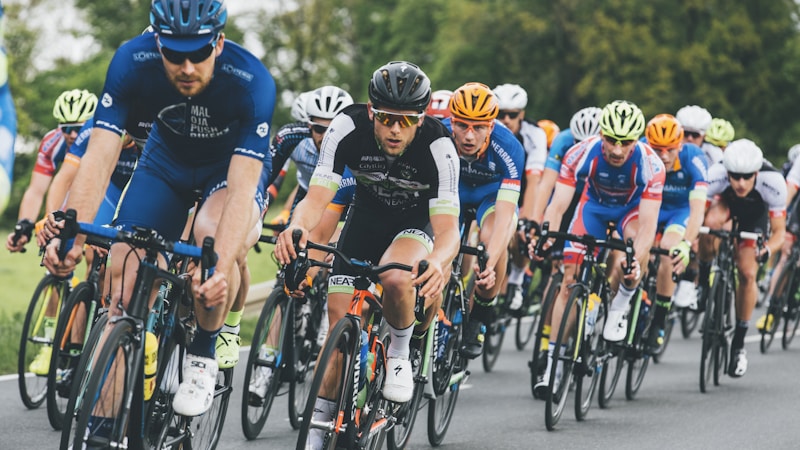
Managing Surges
In mass-start events, surges above threshold are inevitable. Each effort above LT2 accumulates lactate debt that takes 3-5+ minutes to clear. Choose carefully when to respond to attacks—burning matches early often leads to late-race implosion.
Common Threshold Training Mistakes
Threshold training is powerful but easy to misapply. These common mistakes limit progress or lead to overtraining.
Mistake 1: Too Much Threshold Work
More isn't better. Threshold work is demanding and requires significant recovery. Two quality threshold sessions per week is optimal for most athletes; three is usually excessive. Additional volume should come from Zone 2, not more intensity.
Mistake 2: Training in No Man's Land
"Junk miles" in Zone 3—too hard for recovery, too easy for significant adaptation—should be minimized. When you train hard, train hard (Zone 4-5). When you train easy, train truly easy (Zone 1-2). The middle ground provides the worst return on investment.
Mistake 3: Starting Intervals Too Fast
Beginning threshold intervals above target intensity leads to premature fatigue and inability to complete the workout properly. Start each interval slightly conservative and settle into target pace/power. The goal is consistent efforts, not front-loaded heroics.
Mistake 4: Ignoring Recovery
Adaptation happens during recovery, not during the workout. Sleep, nutrition, and easy days are essential components of threshold development. If you're not recovering between sessions, reduce training load—you'll make faster progress.
Mistake 5: Never Retesting
As your threshold improves, yesterday's challenging pace becomes today's Zone 3. Regular retesting (every 6-8 weeks) ensures training zones remain calibrated. Training at outdated zones means suboptimal stimulus.
Warning Signs of Overtraining
- Elevated resting heart rate (5+ beats above normal)
- Decreased HRV scores
- Inability to reach target heart rate during hard efforts
- Prolonged muscle soreness
- Declining performance despite increased training
- Sleep disturbances, mood changes, frequent illness
Recommended Gear for Threshold Training
Quality monitoring equipment enables precise threshold training. Here are our top recommendations for running and cycling.
Essential Reading
Daniels' Running Formula
Jack Daniels - The definitive guide to training zones and paces
View Product →Training and Racing with a Power Meter
Hunter Allen & Andrew Coggan - Power-based threshold training
View Product →Heart Rate Monitors
GPS Watches for Runners
Frequently Asked Questions
What is lactate threshold?
Lactate threshold (LT) is the exercise intensity at which lactate begins to accumulate in the blood faster than it can be cleared. It typically occurs at 75-85% of maximum heart rate and represents the highest sustainable intensity for prolonged efforts. Improving LT allows faster paces at the same perceived effort.
How do I find my lactate threshold?
You can estimate LT through field tests: for runners, it's approximately your 30-60 minute race pace; for cyclists, it's close to your FTP (1-hour power). Lab testing with blood lactate sampling provides the most accurate measurement. Heart rate at LT is typically 85-92% of maximum heart rate.
How often should I do threshold workouts?
Most athletes benefit from 1-2 threshold workouts per week during build phases, with at least 48 hours recovery between sessions. During base periods, one threshold session weekly is sufficient. Quality matters more than quantity—ensure full recovery to maximize adaptations.
What's the difference between lactate threshold and VO2max?
Lactate threshold occurs at approximately 75-90% of VO2max and determines sustainable race pace for events lasting 30 minutes to several hours. VO2max represents maximum oxygen uptake and limits performance in shorter efforts (3-8 minutes). LT is generally more trainable than VO2max.
Can beginners do threshold training?
Beginners should build an aerobic base before emphasizing threshold work. After 2-3 months of consistent easy running or cycling, introduce tempo efforts gradually—starting with 10-15 minute blocks and progressing over time. Beginners often see rapid LT improvements due to their greater adaptation potential.
How long does it take to improve lactate threshold?
Measurable LT improvements typically occur within 4-8 weeks of consistent, properly-structured training. Beginners may see faster gains; trained athletes require more stimulus for continued adaptation. Most athletes can improve LT pace by 5-15% over a single training season.
Should I train by heart rate or pace/power at threshold?
Pace (running) and power (cycling) provide more accurate intensity control for intervals because heart rate lags behind effort changes. Use heart rate for monitoring endurance efforts and checking that intervals don't exceed appropriate cardiovascular strain. Both metrics together provide the most complete picture.
Raise Your Threshold, Raise Your Potential
Lactate threshold represents the intersection of your aerobic and anaerobic systems—the intensity that defines sustainable performance. Unlike genetic limitations like VO2max, your threshold responds dramatically to training. Every percentage point you raise it translates directly to faster races.
Start with testing to establish your baseline, set training zones that provide appropriate stimulus, execute quality threshold workouts with adequate recovery, and retest regularly to track progress. The path to faster times runs directly through your lactate threshold.
Related Articles
📊 Calculate Your Heart Rate Zones
Use our free calculators for personalized training zones:
Featured at Backcountry — 15% off first order
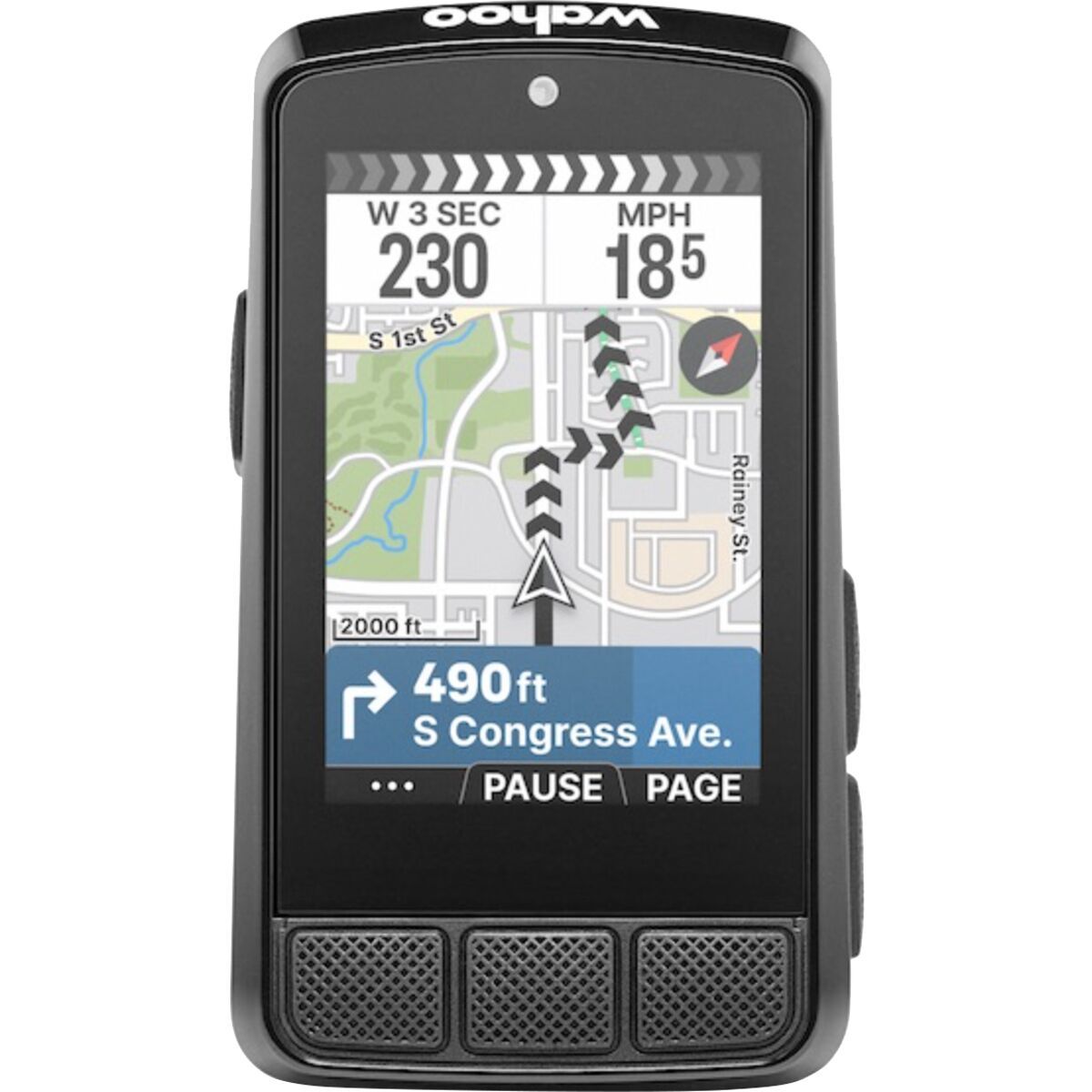
Wahoo ELEMNT BOLT 3
Pair with any ANT+ or Bluetooth HR monitor. Displays training zones in real time.