Introduction: Sleep as a Performance Enhancer
If there were a legal performance-enhancing substance that could improve reaction time, increase power output, accelerate recovery, enhance decision-making, boost immune function, and reduce injury risk—all with no negative side effects—every athlete would take it. That substance exists: it's called sleep.
Despite its profound impact, sleep remains the most undervalued and under-utilized recovery tool in athletics. While athletes obsess over training programs, nutrition plans, and recovery modalities, many sacrifice the very foundation upon which all adaptation is built: quality sleep.
Research from Stanford's Sleep Disorders Clinic found that basketball players who extended sleep to 10 hours per night improved sprint times by 4%, free throw accuracy by 9%, and three-point shooting by 9.2%. Similar studies in tennis, swimming, and endurance sports show consistent performance improvements with optimized sleep.
The Cost of Sleep Debt
- Reaction time: Decreases by 0.5% for every hour of sleep lost
- Injury risk: Athletes sleeping <7 hours have 1.7x higher injury rates
- Testosterone: Drops 10-15% after one week of 5-hour nights
- Glycogen synthesis: Reduced by 30-40% with sleep deprivation
- Infection risk: 4x higher with less than 6 hours of sleep
The Science of Sleep and Athletic Performance
Sleep is an active physiological process during which critical recovery and adaptation occur. Far from being a passive "shutdown" period, sleep orchestrates a complex series of hormonal, metabolic, and neurological processes essential for athletic performance.
Growth Hormone and Muscle Repair
Approximately 70% of daily growth hormone (GH) is secreted during deep sleep. GH stimulates protein synthesis, promotes muscle repair, and facilitates the conversion of fat to fuel. Sleep deprivation dramatically reduces GH release, compromising the very adaptations training stimulates.
Hormonal Balance
Sleep regulates the delicate balance between anabolic (building) and catabolic (breaking down) hormones. Testosterone, crucial for muscle development and repair, reaches peak levels during sleep. Cortisol, the stress hormone that promotes catabolism, is suppressed during healthy sleep and rises naturally toward morning to promote waking.
Glycogen Restoration
Muscle and liver glycogen stores are replenished more efficiently during sleep. Sleep deprivation impairs glucose metabolism by up to 40%, reducing the body's ability to restore energy reserves. This directly impacts next-day performance and the ability to complete demanding training.
Neural Recovery and Skill Consolidation
During REM sleep, the brain consolidates motor skills and procedural memories learned during waking hours. This means technique work, tactical learning, and skill development are literally "cemented" during sleep. Athletes who sleep well after learning new skills show significantly better retention and performance.
Sleep Deprivation Effects on Performance
| Performance Factor | Impact of Poor Sleep |
|---|---|
| Time to exhaustion | Decreased 11-30% |
| Peak power output | Decreased 3-5% |
| Cognitive function | Decreased 20-30% |
| Reaction time | Slowed 10-15% |
| Pain tolerance | Decreased 15-25% |
| Perceived exertion | Increased 5-15% |
Understanding Sleep Stages
Sleep cycles through distinct stages, each serving unique physiological functions. A complete cycle lasts approximately 90 minutes, with 4-6 cycles occurring during a typical night. Understanding these stages helps optimize both sleep quantity and quality.
Light Sleep (N1 and N2)
Light sleep typically comprises 50-60% of total sleep time. During these stages, heart rate and breathing slow, body temperature drops, and muscles begin to relax. N1 is the transition from wakefulness, lasting just minutes. N2 involves sleep spindles and K-complexes—brain wave patterns that protect sleep from disturbance and facilitate memory consolidation.
Deep Sleep (N3 / Slow-Wave Sleep)
Deep sleep is the most physically restorative stage, typically 15-25% of sleep in adults. During this stage, growth hormone is released, tissue repair occurs, and the immune system is strengthened. Deep sleep is most abundant in the first half of the night and decreases if you fall asleep late or consume alcohol.
REM Sleep
REM (Rapid Eye Movement) sleep involves vivid dreams, increased brain activity, and muscle paralysis. It's essential for cognitive restoration, emotional processing, and motor skill consolidation. REM increases throughout the night, with the longest periods occurring toward morning—one reason why cutting sleep short disproportionately reduces REM.
Athlete Sleep Stage Goals
- Deep sleep: 15-25% (1-2 hours for 8 hours total)
- REM sleep: 20-25% (1.5-2 hours for 8 hours total)
- Light sleep: 50-60% (natural transition stages)
- Wake time: <5% (brief awakenings are normal)
Circadian Rhythm: Your Internal Clock
Your circadian rhythm is a 24-hour internal clock that regulates sleep-wake cycles, hormone release, body temperature, and countless physiological processes. Understanding and working with your circadian rhythm—rather than against it—is fundamental to sleep optimization.
The Master Clock
The suprachiasmatic nucleus (SCN) in the hypothalamus serves as your master clock, receiving light signals from the eyes and synchronizing body processes accordingly. Light exposure, especially in the blue wavelength range, is the primary signal that sets this clock.
Chronotypes: Larks and Owls
Genetics influence whether you're naturally a morning person (lark/early chronotype) or evening person (owl/late chronotype). True larks wake easily at 5-6 AM and feel sleepy by 9 PM; true owls struggle before 9 AM but thrive late into the evening. Most people fall somewhere in between.
Performance Windows by Chronotype
| Chronotype | Peak Performance | Optimal Bed Time |
|---|---|---|
| Early (Lark) | 9 AM - 12 PM | 9-10 PM |
| Intermediate | 2 PM - 6 PM | 10-11 PM |
| Late (Owl) | 4 PM - 8 PM | 12-1 AM |
Light as the Primary Zeitgeber
Morning light exposure advances your circadian rhythm (making you sleepy earlier), while evening light delays it. For optimal sleep, get bright natural light exposure within 30-60 minutes of waking, and reduce artificial light—especially blue light from screens—in the 2-3 hours before bed.
Training and Circadian Performance
Core body temperature naturally peaks in late afternoon (typically 4-6 PM), coinciding with optimal performance for most physiological measures. Muscle strength, reaction time, and aerobic capacity all peak during this window. However, consistent training at any time leads to adaptation—your body learns to perform at the times you regularly train.
How Much Sleep Do Athletes Need?
While the general recommendation of 7-9 hours applies to the general population, athletes often require more due to increased physical and mental demands. Elite athletes commonly report 9-10+ hours of sleep opportunity during heavy training phases.
Sleep Need by Training Load
| Training Phase | Recommended Sleep | Notes |
|---|---|---|
| Off-season | 7-8 hours | Baseline recovery needs |
| Base building | 8-9 hours | Supporting aerobic adaptation |
| Build/intensity | 9-10 hours | Maximum recovery support |
| Taper/race week | 8-9 hours | Quality over quantity |
| Recovery week | 9+ hours | Paying off sleep debt |
Individual Variation
Sleep needs vary genetically. True short sleepers (requiring less than 6 hours) represent less than 3% of the population, though many people incorrectly believe they fall into this category. Most who think they need less sleep have simply adapted to chronic deprivation—they've forgotten what feeling fully rested is like.
Signs You Need More Sleep
- Requiring an alarm to wake up
- Hitting snooze repeatedly
- Afternoon energy crashes
- Falling asleep within 5 minutes (indicates sleep debt)
- Needing caffeine to function normally
- Sleeping significantly longer on weekends
Optimizing Your Sleep Environment
Your bedroom should be a sanctuary optimized for sleep. Environmental factors significantly impact both sleep quality and the time it takes to fall asleep. Small investments in your sleep environment often yield dramatic improvements.
Temperature
Core body temperature naturally drops as you fall asleep, and a cool room facilitates this process. The ideal bedroom temperature is 65-68°F (18-20°C) for most people. Athletes may prefer the lower end of this range, as training raises baseline body temperature.
Darkness
Complete darkness promotes melatonin production and deeper sleep. Even small amounts of light—from electronics, streetlights, or bathroom nightlights—can disrupt sleep architecture. Blackout curtains or a quality sleep mask are essential investments for athletes.
Sound
Sudden noises are more disruptive than consistent sound levels. White noise, pink noise, or nature sounds can mask environmental disturbances. Many athletes travel with portable white noise machines or apps to maintain consistent sound environments.
Bedding and Mattress
Your mattress should support neutral spinal alignment without creating pressure points. Athletes—particularly those with larger frames—often benefit from medium-firm mattresses. Replace mattresses every 7-10 years, and pillows every 1-2 years, as support degrades over time.
Sleep Environment Checklist
- ☐ Temperature set to 65-68°F (18-20°C)
- ☐ Blackout curtains or quality sleep mask
- ☐ All LED lights covered or removed
- ☐ Phone on silent and face-down (or in another room)
- ☐ White noise if needed for consistent sound
- ☐ Comfortable, supportive mattress and pillows
- ☐ Clean, breathable bedding appropriate for season
Building Your Pre-Sleep Routine
A consistent pre-sleep routine signals to your body that sleep is approaching, initiating the physiological transitions needed for quality rest. This "wind-down" period should begin 60-90 minutes before your target sleep time.
60-90 Minutes Before Bed
- Dim household lights to 50% or use lamps instead of overhead lighting
- Stop work, intense mental activity, and stressful conversations
- Enable "night mode" on all screens (or avoid screens entirely)
- Prepare for the next day (lay out clothes, pack bags) to reduce mental load
30-60 Minutes Before Bed
- Take a warm shower or bath (the subsequent cooling promotes sleep)
- Perform gentle stretching or foam rolling
- Practice relaxation techniques: deep breathing, meditation, or progressive muscle relaxation
- Light reading (physical books, not screens)
15-30 Minutes Before Bed
- Complete hygiene routine (brushing teeth, skincare)
- Journal or write a gratitude list (helps process the day)
- Keep bedroom cool and completely dark
- Consider 5-10 minutes of guided sleep meditation
Pro Tip: The Worry Dump
Racing thoughts are a common barrier to sleep. Keep a notepad by your bed and spend 5 minutes writing down anything on your mind—tasks, worries, ideas. This "downloads" concerns from your brain, reducing rumination and allowing faster sleep onset.
Strategic Napping for Athletes
Napping can be a powerful tool for athletes when used strategically. Research shows well-timed naps can enhance alertness, improve reaction time, accelerate motor learning, and partially compensate for nighttime sleep loss.
Types of Naps
| Nap Type | Duration | Best For |
|---|---|---|
| Power nap | 10-20 min | Alertness boost, minimal grogginess |
| Short nap | 20-30 min | Memory consolidation, mood improvement |
| Sleep cycle nap | 90 min | Full recovery, skill consolidation |
| Extended nap | 90-120 min | Significant sleep debt recovery |
Napping Guidelines
- Timing: Nap before 3 PM to avoid disrupting nighttime sleep
- Pre-competition: Consider a 20-minute nap 1-2 hours before afternoon/evening events
- Post-training: Napping within 2-3 hours of training can enhance recovery and consolidation
- Avoid if: You have trouble falling asleep at night or sleeping through the night
Coffee Nap Protocol
For maximum alertness, try a "coffee nap": consume caffeine (about 200mg) immediately before a 20-minute nap. The caffeine takes 20-30 minutes to kick in, so you wake just as it starts working, with both sleep benefits and caffeine boost at the same time. This is particularly effective before competitions or after sleep-deprived nights.
Managing Travel and Jet Lag
Travel for competition introduces significant sleep challenges. Jet lag results from desynchronization between your internal clock and the local time zone. Without intervention, the body adjusts at a rate of about one hour per day—too slow for most competition schedules.
Pre-Travel Preparation
Begin shifting your sleep schedule 3-4 days before departure. Adjust bedtime and wake time by 30-60 minutes per day toward your destination time zone. For eastward travel (advancing the clock), go to bed earlier; for westward travel (delaying the clock), stay up later.
Light Exposure Strategy
Light is your most powerful jet lag tool. When traveling east, seek morning light and avoid evening light. When traveling west, seek evening light and use sunglasses in the morning. Apps like Timeshifter provide personalized light exposure schedules based on your itinerary.
Jet Lag Management by Direction
| Direction | Light Exposure | Melatonin Timing |
|---|---|---|
| Traveling East | Morning light, avoid evening light | Take at destination bedtime |
| Traveling West | Evening light, morning sunglasses | Take in early morning hours |
Melatonin for Jet Lag
Melatonin (0.5-5mg) can help reset circadian rhythm when timed correctly. For eastward travel, take melatonin at your destination bedtime. For westward travel over many time zones, melatonin taken in the early morning hours (local time) can help. Start with lower doses (0.5-1mg) as higher isn't necessarily more effective.
Competition Within 48 Hours
If competing within 48 hours of arrival across 3+ time zones, consider staying on home time if logistics allow. Schedule training, meals, and sleep according to home time, and compete when your body clock is at its natural peak—even if local time suggests otherwise.
Nutrition Strategies for Better Sleep
What and when you eat significantly impacts sleep quality. Strategic nutrition choices can promote sleep-supporting neurotransmitter production and avoid the digestive disruptions that interfere with rest.
Caffeine Management
Caffeine has a half-life of 5-7 hours, meaning half remains in your system that long after consumption. Even if you fall asleep, caffeine reduces deep sleep architecture. Stop caffeine consumption by early afternoon—ideally before 2 PM—for most athletes. Some individuals metabolize caffeine more slowly and may need to stop earlier.
Alcohol and Sleep
Alcohol may help you fall asleep faster but severely disrupts sleep architecture. It suppresses REM sleep, increases awakenings in the second half of the night, and interferes with growth hormone release. Even moderate consumption (1-2 drinks) measurably impairs sleep quality and next-day recovery.
Pre-Sleep Nutrition
Avoid large meals within 3 hours of bed, as digestion can disrupt sleep. However, going to bed hungry can also impair sleep. If needed, choose light snacks combining protein and carbohydrates: Greek yogurt with fruit, cheese and crackers, or a small smoothie. These combinations promote serotonin and melatonin production.
Sleep-Promoting Foods
- Tart cherries: Natural source of melatonin
- Kiwi: Contains serotonin precursors
- Fatty fish: Omega-3s and vitamin D support sleep
- Nuts: Magnesium promotes muscle relaxation
- Warm milk: Contains tryptophan (and psychological comfort)
Hydration Balance
Proper hydration supports sleep, but excess fluid intake before bed leads to disruptive bathroom visits. Reduce fluid consumption in the final 1-2 hours before bed, while ensuring adequate hydration earlier in the day. Use urine color as a guide: pale yellow indicates good hydration.
Sleep Tracking and Monitoring
Sleep tracking technology has become increasingly sophisticated, offering insights into sleep duration, stages, and quality. When used correctly, these tools can help identify patterns and opportunities for improvement.
Types of Sleep Trackers
- Wrist-based (Whoop, Garmin, Apple Watch): Convenient, measure heart rate and movement
- Ring-based (Oura): Comfortable for sleep, detailed HRV and temperature data
- Under-mattress (Withings, Eight Sleep): No wearing required, detailed breathing analysis
- Dedicated devices (Dreem): Most accurate but bulkier
Key Metrics to Track
| Metric | What It Tells You |
|---|---|
| Total sleep time | Quantity of sleep (aim for 7-9+ hours) |
| Sleep efficiency | % of time in bed actually asleep (aim for 85%+) |
| Deep sleep % | Physical restoration (aim for 15-25%) |
| REM sleep % | Cognitive restoration (aim for 20-25%) |
| HRV during sleep | Recovery status and readiness |
| Respiratory rate | Baseline health indicator |
Avoiding Orthosomnia
"Orthosomnia" describes the condition where obsession over sleep data actually causes sleep anxiety and worsens sleep. Use tracking to identify patterns and trends rather than fixating on nightly scores. If tracking causes stress, take breaks or use simpler subjective measures like a sleep diary.
Recommended Sleep Optimization Gear
Quality sleep products are investments in recovery and performance. Here are evidence-based recommendations for optimizing your sleep environment and monitoring.
Essential Reading
Sleep Environment
Sleep Tracking
Garmin Fenix 7
Multisport watch with comprehensive sleep tracking
Check Backcountry → View Product →Frequently Asked Questions
How much sleep do athletes need?
Most athletes need 7-9 hours of quality sleep, with many elite performers targeting 9-10 hours during heavy training blocks. Sleep needs increase during periods of intense training, competition, and recovery from injury. Individual needs vary, so monitor performance and recovery markers to determine your optimal amount.
Should athletes nap during the day?
Strategic napping can enhance athletic performance when used correctly. Aim for 20-30 minute naps to boost alertness without sleep inertia, or 90-minute naps for full recovery cycles. Time naps before 3 PM to avoid disrupting nighttime sleep. Napping is especially beneficial after poor nights or during heavy training blocks.
How does sleep affect muscle recovery?
During deep sleep, the body releases 70% of daily growth hormone, essential for muscle repair and adaptation. Sleep deprivation reduces protein synthesis, impairs glycogen restoration, and increases catabolic hormones like cortisol. Even one night of poor sleep can reduce muscle recovery by 20-30%.
What is the best time to train for optimal sleep?
Morning and afternoon training typically causes less sleep disruption than evening sessions. If you must train at night, finish intense exercise at least 3-4 hours before bedtime. Light evening exercise may actually improve sleep. Time high-intensity sessions to coincide with your natural circadian peak, usually mid-afternoon.
How can I improve sleep when traveling for competition?
Adjust your sleep schedule 30 minutes per day toward your destination time zone before departure. Use light exposure strategically: morning light to advance your clock (traveling east), evening light to delay it (traveling west). Bring familiar items like your pillow, maintain hydration, and consider melatonin for timezone shifts greater than 3 hours.
Is it bad to sleep in on weekends?
Sleeping in more than 1-2 hours past your usual wake time creates "social jet lag" that disrupts your circadian rhythm. Catching up on sleep debt is valuable, but try to limit weekend sleep-ins to 1 hour beyond weekday times. If significantly sleep-deprived, consider going to bed earlier instead of waking later.
Should I take melatonin supplements?
Melatonin can help with jet lag and occasional sleep difficulty, but shouldn't be used nightly long-term without medical guidance. Start with low doses (0.5-1mg) 30-60 minutes before desired sleep time. Melatonin signals to your body that it's time to sleep but doesn't directly induce sleep—proper sleep hygiene remains essential.
Make Sleep Your Competitive Advantage
In a world where athletes seek every legal edge, sleep remains the most powerful and underutilized performance enhancer available. It costs nothing, has no side effects, and provides benefits that no supplement, gadget, or training protocol can match.
Start tonight: set a consistent bedtime, create a wind-down routine, and optimize your sleep environment. Track your progress, notice how training and performance respond, and never again treat sleep as optional. Your body—and your results—will thank you.
Related Articles
📊 Track Your Progress
Use our free calculators to monitor your fitness:
Featured at Backcountry — 15% off first order
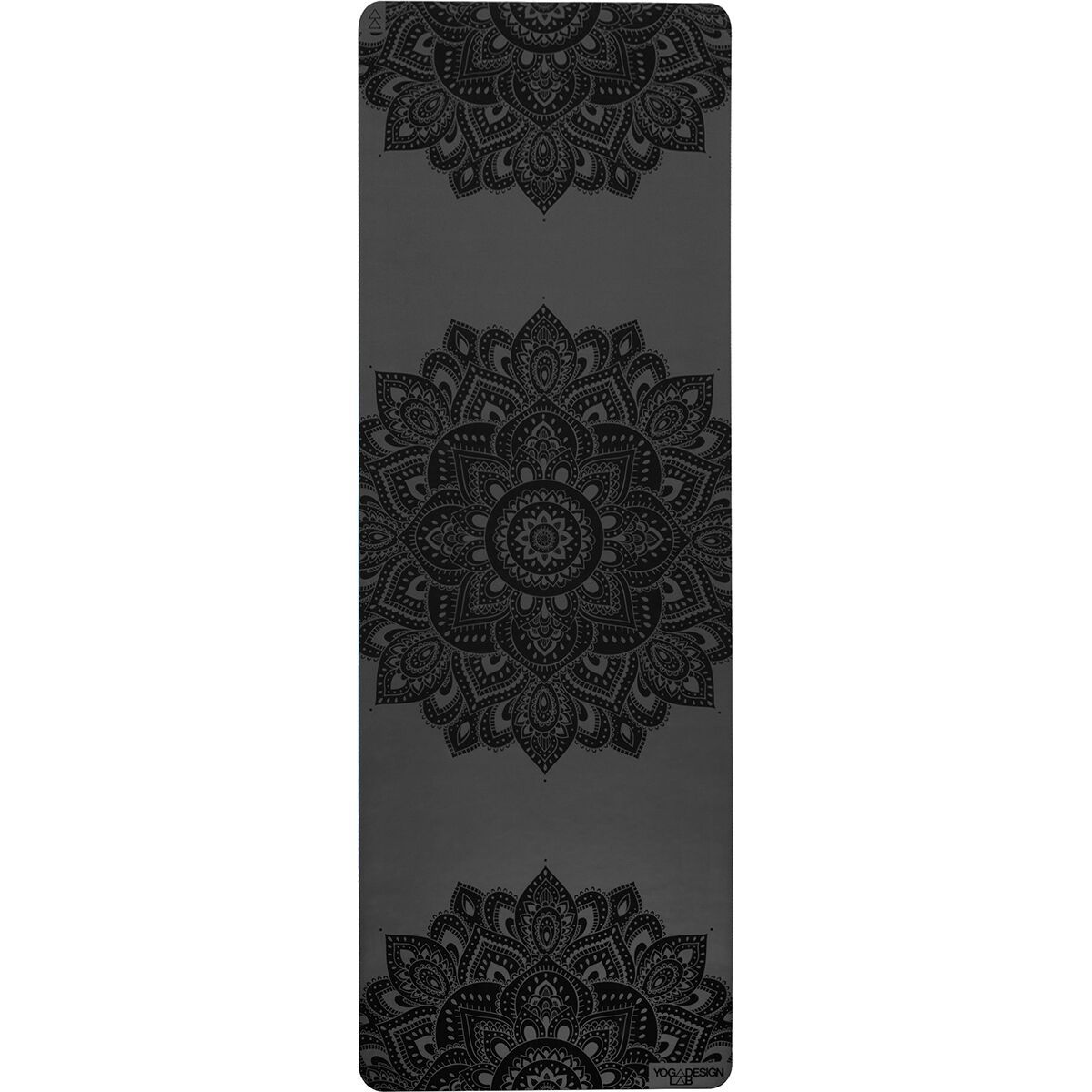
Yoga Design Lab Infinity Mat
Recovery starts with stretching. Our favorite mat for mobility work.