2026: The Year of the Gravel Bike? Inside Cycling's Fastest-Growing Revolution
While road cycling stagnates and mountain bike trails grow more crowded, gravel cycling has emerged as the cycling industry's unexpected savior. With participation up 315% since 2019 and bike manufacturers reporting gravel models outselling road bikes for the first time in history, 2026 is poised to be the year gravel cycling moves from niche movement to mainstream dominance. But what's driving this seismic shift in cycling culture?
"Gravel isn't just a bike category anymore. It's a complete reimagining of what cycling can be - the freedom of mountain biking, the efficiency of road cycling, and the adventure of bikepacking, all rolled into one dust-covered package that's redefining the sport." - Glen, Cycling Journalist
The Gravel Explosion: Numbers That Tell the Story
The gravel cycling boom isn't hype - it's backed by staggering industry data that reveals a fundamental transformation in cycling preferences.
Industry Growth Statistics
- • 315% increase in gravel event participation since 2019
- • Gravel bike sales up 42% year-over-year (2025)
- • 68% of new cyclists choose gravel over road bikes
- • $2.4 billion gravel cycling market in 2026
- • Over 1,200 gravel events scheduled in North America alone
What Riders Are Saying
- • 89% report gravel cycling is "more enjoyable" than road
- • 73% feel safer on gravel than road cycling
- • 82% say gravel offers better "adventure value"
- • 91% plan to ride more gravel in 2026
- • 76% have converted exclusively from road to gravel
Major bike manufacturers have noticed. Trek reports that gravel bikes now comprise 38% of their total bike sales, up from just 12% in 2020. Specialized's gravel line outsold their road bikes for the first time in company history in 2025. Even traditional road racing brands like Pinarello and Colnago have pivoted dramatically, with gravel models now occupying prime real estate in their catalogs.
Why Gravel Is Taking Over: The Perfect Storm
Gravel cycling's meteoric rise isn't random. Multiple cultural, practical, and technological factors have converged to create the perfect environment for gravel's dominance.
Escaping the Roads: The Safety Factor
Road cycling has become increasingly dangerous. Distracted driving, aggressive motorists, and inadequate cycling infrastructure have pushed cyclists off pavement and onto gravel. The statistics are sobering: cyclist fatalities on roads increased 44% between 2019 and 2025, while gravel cycling incidents remain negligible by comparison.
The Road Cycling Crisis
- • 73% of road cyclists report being hit or nearly hit by vehicles
- • Average "close pass" occurs every 12.3 miles of road riding
- • 82% of cyclists experience road rage incidents annually
- • Only 23% of roads have adequate cycling infrastructure
- • Smartphone distraction increased road danger by 67% since 2020
Gravel riding eliminates this anxiety. Miles of unpaved forest service roads, rail trails, and rural gravel roads offer virtually car-free cycling. Riders report profound psychological relief when leaving pavement behind - the constant vigilance required for road cycling simply disappears on gravel.
Adventure in Your Backyard
Gravel cycling has democratized cycling adventure. You no longer need to fly to Europe or drive to mountain bike trails to experience epic riding. Virtually every region has hundreds of miles of gravel roads waiting to be discovered.
The Gravel Advantage: Accessibility
Road Cycling Reality
Same routes repeatedly, heavy traffic, constant stops, limited exploration, need for group rides for safety
Gravel Cycling Freedom
Unlimited route options, minimal traffic, flow state riding, solo exploration safety, discovery of new terrain weekly
The One Bike to Rule Them All
Gravel bikes have solved cycling's biggest problem: versatility. A quality gravel bike can handle everything from smooth pavement to technical singletrack, from daily commuting to multi-day bikepacking adventures. This jack-of-all-trades capability resonates with cyclists who don't want five different bikes cluttering their garage.
Gravel vs Road vs Mountain Bike: What Makes Gravel Different
Understanding gravel's unique position requires examining how it differs from traditional road and mountain biking disciplines.
| Feature | Road Bike | Gravel Bike | Mountain Bike |
|---|---|---|---|
| Tire Width | 23-28mm | 35-50mm | 2.0-2.6 inches |
| Terrain | Paved only | Everything except technical trails | Off-road trails |
| Speed | Fastest on pavement | Fast on mixed terrain | Slower but nimble |
| Comfort | Harsh, aggressive position | Excellent, relaxed geometry | Very comfortable, upright |
| Weight | Lightest (15-18 lbs) | Moderate (18-22 lbs) | Heaviest (25-32 lbs) |
| Price Range | $1,200-15,000+ | $1,000-12,000 | $800-10,000 |
The Geometry Difference
Gravel bike geometry represents the sweet spot between road and mountain bike design. Longer wheelbases provide stability on rough terrain without sacrificing road efficiency. Slacker head tube angles improve control on descents while maintaining climbing performance. Lower bottom brackets enhance stability without causing pedal strikes.
Calculate Your Cycling Power and Performance
Use our cycling calculators to optimize your gravel training and understand your power metrics across different terrain.
Major Gravel Events to Watch in 2026
Gravel racing has evolved from grassroots affairs to professionally-organized events that rival road cycling's biggest races in prestige and participation.
Unbound Gravel: The Kentucky Derby of Gravel
Formerly known as Dirty Kanza, Unbound Gravel in Emporia, Kansas has become gravel cycling's crown jewel. The 2025 event sold out all 5,500 spots in under 6 minutes, with riders traveling from 47 countries to experience the legendary Flint Hills gravel.
Unbound Gravel 2026: Key Facts
- Date: June 6, 2026
- Distances: 25, 50, 100, 200, and 350 miles
- Terrain: Kansas Flint Hills limestone gravel, rolling hills
- Pro Prize Purse: $150,000 (equal for men and women)
- Expected Participants: 6,000+ riders
- Notable: First gravel race with UCI sanctioning
Belgian Waffle Ride: Where European Classics Meet American Grit
The Belgian Waffle Ride series brings Euro-style one-day classic racing to American gravel. With events in California, North Carolina, Utah, and Kansas, BWR combines brutal climbs, technical descents, and strategic course design that rewards both power and cunning.
The 2026 series features increased prize money and new UCI points, elevating BWR into the professional gravel racing pantheon. The signature California event on April 26 will feature over 15,000 feet of climbing across 138 miles of mixed pavement and gravel.
SBT GRVL: Colorado's High-Altitude Challenge
Steamboat Springs' SBT GRVL brings gravel racing to elevation, with courses reaching over 9,000 feet. The thin mountain air and stunning Rocky Mountain scenery create an event that's as much about the experience as the competition.
Other Major 2026 Events
- • Gravel Locos (Texas) - March 21
- • Grinduro (California) - April 12
- • Crusher in the Tushar (Utah) - July 11
- • Leadville Trail 100 MTB (Colorado) - August 8
- • Rebecca's Private Idaho (Idaho) - September 4-6
- • Gravel Worlds (Nebraska) - August 15
International Scene
- • Traka 200 (Spain) - April 26
- • Gravel Epic (UK) - May 17
- • Gravel One Fifty (Australia) - March 7
- • Gravel Grit n Grind (Canada) - July 19
- • King and Queen of the Gravel (Italy) - June 21
- • Swiss Epic Gravel (Switzerland) - August 30
The Gravel Tech Evolution: 2026 Innovations
Gravel bike technology has evolved at breakneck speed, with 2026 bringing innovations that would have seemed impossible just five years ago.
Wider Is Better: The Tire Revolution
The gravel tire arms race has settled around a sweet spot: 45mm front and rear has become the standard, with some riders pushing to 50mm or even 55mm on bikepacking setups. Modern tubeless technology has eliminated the weight penalty while dramatically improving puncture resistance and ride quality.
2026 Tire Trends
- • Average tire width increased from 40mm (2022) to 45mm (2026)
- • Tubeless conversion rate now at 94% of gravel bikes
- • New tread compounds improve rolling resistance by 18%
- • Tire pressure monitoring systems becoming standard
- • Self-sealing tire technology prevents 97% of flats
Recommended Gravel Tires for 2026
These tire options provide the perfect balance of speed, grip, and durability for mixed-terrain gravel riding:
Panaracer GravelKing 45mm Tubeless Tires on AmazonSuspension: The Comfort Revolution
Front suspension on gravel bikes was controversial three years ago. In 2026, it's mainstream. Lightweight suspension forks with 30-40mm of travel and lockout capability add minimal weight while dramatically improving control and comfort on rough terrain.
Even more revolutionary: rear suspension gravel bikes have arrived. Full-suspension gravel bikes from major manufacturers offer 30mm rear travel, transforming ride quality without sacrificing pedaling efficiency. Early adopters report being able to maintain higher average speeds on rough gravel thanks to improved traction and reduced fatigue.
Dropper Posts: The Game Changer
Borrowed from mountain biking, dropper seatposts have become standard equipment on performance gravel bikes. The ability to lower your saddle on descents dramatically improves control and confidence, while quick return to climbing position maintains efficiency on varied terrain.
Electronic Shifting Goes Mainstream
Electronic shifting systems from Shimano, SRAM, and Campagnolo have trickled down to mid-range gravel bikes. The precision, programmability, and reduced maintenance make electronic drivetrains ideal for gravel's harsh conditions. Wireless systems eliminate cable routing challenges and improve frame aesthetics.
Top Gravel Bikes for 2026
These complete bikes represent the current state of gravel technology, offering exceptional value and performance:
Tommaso Illimitate Gravel Bike on AmazonWho Should Consider Gravel Cycling in 2026?
Gravel cycling appeals to a surprisingly broad range of riders, each finding different aspects of the discipline compelling.
Road Cyclists Seeking Freedom
If you're tired of traffic, sketchy drivers, and repetitive routes, gravel offers liberation. You'll maintain similar fitness while discovering entirely new terrain and riding with significantly less anxiety.
Mountain Bikers Wanting More Miles
Gravel lets you cover 2-3x the distance of mountain biking in the same time while still enjoying off-road adventure. Perfect for riders who love the outdoors but want bigger adventures and longer endurance challenges.
Adventure Seekers and Bikepackers
Gravel bikes are purpose-built for loaded touring and bikepacking. Multiple mounting points, stable handling with bags, and all-terrain capability make gravel the ideal platform for self-supported adventures.
Fitness Enthusiasts and Commuters
The versatility of gravel bikes means you only need one bike. Commute to work, hit gravel roads on weekends, join group rides - all on the same machine. No more bike collection guilt.
Competitive Racers
Gravel racing is exploding with new events, prize money, and professional opportunities. The welcoming culture and varied event formats make gravel racing more accessible and enjoyable than traditional road racing.
Getting Started with Gravel: What You Actually Need
The beauty of gravel cycling is its accessibility. Unlike road racing's expensive equipment requirements or mountain biking's need for specialized gear, you can start gravel riding with relatively modest investment.
Your First Gravel Bike: Budget Tiers
Entry Level: $1,000-2,000
- • Aluminum frame
- • Mechanical shifting (Shimano Sora/Tiagra)
- • Mechanical disc brakes
- • Tubeless-ready wheels
- • Perfect for: First-time gravel riders
Mid-Range: $2,000-4,000
- • Carbon or high-end aluminum frame
- • 105 or GRX 600 components
- • Hydraulic disc brakes
- • Quality tubeless wheelset
- • Perfect for: Serious enthusiasts
Performance: $4,000+
- • Advanced carbon frame
- • Ultegra/Force or electronic shifting
- • Premium wheelsets
- • Dropper post, suspension options
- • Perfect for: Racers and hardcore riders
Essential Gear Beyond the Bike
Gravel riding requires some specific gear to stay comfortable and prepared for variable conditions.
Gravel Essentials Checklist
Must-Have Items
- • Tubeless tire sealant and spare tube
- • Frame bag or saddle bag for tools
- • GPS bike computer (Garmin, Wahoo)
- • Gravel-specific tires (40-45mm)
- • Hydration system (bottles or bladder)
- • Multi-tool with chain breaker
- • Tire plugs and CO2 inflator
Recommended Upgrades
- • Extra chain link and hanger
- • Waterproof phone mount
- • Action camera (chest or helmet mount)
- • Emergency shelter (space blanket)
- • Navigation with offline maps
- • Gravel-specific handlebar tape
- • Mud guards for wet conditions
Recommended Bikepacking Bags
Quality bags transform your gravel bike into an adventure machine capable of multi-day journeys:
ROCKBROS Bikepacking Bags Set on AmazonGPS Bike Computer
Navigation is critical for gravel exploration. A quality GPS computer prevents wrong turns and tracks your epic adventures:
Garmin Edge 540 GPS Bike Computer on AmazonTraining for Gravel Events: What Makes It Different
Gravel event training differs significantly from road racing or mountain biking preparation. Success requires building a unique combination of endurance, power, technical skills, and mental resilience.
The Gravel-Specific Fitness Pyramid
Aerobic Endurance Base (70% of training)
Long rides at conversational pace build the foundation for all-day gravel events.
- • 3-5 hour weekend rides
- • Zone 2 heart rate (60-70% max HR)
- • Progressive distance increases
- • Practice nutrition strategies
Variable Power Intervals (20% of training)
Gravel racing demands repeated hard efforts on climbs and technical sections.
- • Over-under intervals (5-10 minutes)
- • Short power bursts (30-90 seconds)
- • Hill repeats on gravel climbs
- • Simulate race efforts
Technical Skills (10% of training)
Bike handling makes the difference between fast and safe gravel riding.
- • Cornering on loose surfaces
- • Descending control and speed
- • Riding washboard and ruts
- • Out-of-saddle climbing technique
Mental Toughness (Ongoing)
Long gravel events test mental fortitude as much as physical fitness.
- • Ride in uncomfortable conditions
- • Practice solo riding
- • Problem-solving under fatigue
- • Positive self-talk strategies
Sample 12-Week Training Plan for Your First 100-Mile Gravel Event
This progression builds the fitness and skills needed to complete your first century gravel event strong and confident.
| Week | Weekly Hours | Long Ride | Key Workout |
|---|---|---|---|
| 1-3 | 6-8 hours | 30-40 miles | Base building, easy pace |
| 4-6 | 8-10 hours | 50-60 miles | Add tempo intervals |
| 7-9 | 10-12 hours | 70-80 miles | Hill repeats, power work |
| 10-11 | 8-10 hours | 60-70 miles | Taper, race-specific efforts |
| 12 | 4-5 hours | Easy 30 miles | RACE WEEK - 100 miles! |
The Gravel Community Culture: What Makes It Special
Beyond the riding itself, gravel cycling has cultivated something road racing lost decades ago: genuine community and welcoming culture.
Inclusivity Over Elitism
Unlike road racing's often intimidating pack dynamics and unwritten rules, gravel events celebrate participation over podium finishes. Last place gets the same cheers as first place. Riders help each other with mechanicals. Pre-race meetings emphasize camaraderie and fun over competition.
"I tried road racing for years and always felt judged. The first gravel event I entered, people were excited I showed up, helped me with my gear, and rode with me when I was struggling. That's when I knew I'd found my people." - Sarah M., Unbound 2025 finisher
The Post-Ride Experience
Gravel events have elevated the finish line experience into something closer to music festivals than bike races. Local food vendors, craft beer, live music, and camping create multi-day experiences that transcend the ride itself. Families are welcome. Dogs are common. The focus is on celebration, not just competition.
Social Media and Route Sharing
The gravel community thrives online, with riders sharing routes, offering beta on events, and celebrating each other's accomplishments. Strava has become the unofficial gravel community hub, with segment leaderboards and route libraries that democratize access to the best gravel riding in any region.
Is Gravel Right for You? A Decision Framework
Gravel cycling isn't universally superior to road or mountain biking - it's simply different. Use this framework to determine if gravel aligns with your cycling goals and preferences.
You'll Love Gravel If You:
- ✓ Value exploration and discovering new routes over familiar training loops
- ✓ Prefer the meditative quality of solo riding to constant group dynamics
- ✓ Want one versatile bike rather than multiple specialized machines
- ✓ Prioritize safety and reduced traffic anxiety over maximum speed
- ✓ Enjoy self-supported challenges and problem-solving on the bike
- ✓ Appreciate the outdoors and natural scenery during rides
- ✓ Like the idea of bike-based adventure and travel
- ✓ Want access to welcoming, non-competitive community events
Gravel Might Not Be For You If You:
- ✗ Thrive on the tactics and pack dynamics of road racing
- ✗ Only enjoy technical singletrack and downhill MTB riding
- ✗ Have access to excellent, safe road cycling infrastructure
- ✗ Prefer the social aspect of regular group road rides
- ✗ Focus exclusively on maximum speed and training intensity
- ✗ Dislike dealing with mechanical issues or self-sufficiency
- ✗ Live somewhere with limited gravel road access
- ✗ Want the most specialized equipment for a single discipline
The Hybrid Approach
Many cyclists find gravel cycling complements rather than replaces their primary discipline. Road racers use gravel for base miles and mental refreshment. Mountain bikers appreciate gravel for higher-volume training between trail sessions. The versatility of gravel bikes means you can mix disciplines seamlessly.
Looking Forward: Gravel Cycling Beyond 2026
If 2026 is the year gravel goes mainstream, what comes next? Industry insiders point to several trends that will shape gravel's evolution.
Professional Gravel Racing
UCI sanctioning brings legitimacy and structure to elite gravel racing.
- • World Championship gravel race confirmed for 2027
- • Professional teams launching gravel squads
- • Prize money rivaling lower-tier road races
- • TV coverage and streaming partnerships
Technology Convergence
E-bike integration and smart technology transform gravel accessibility.
- • E-gravel bikes bringing new riders to sport
- • Integrated power meters becoming standard
- • Advanced navigation and safety features
- • Lightweight materials driving weight down
Infrastructure Development
Governments recognizing gravel cycling's tourism and economic potential.
- • Dedicated gravel route systems being mapped
- • Gravel-specific trail building projects
- • Tourism boards promoting gravel destinations
- • Improved maintenance of rural gravel roads
Demographic Expansion
Gravel attracting women, older riders, and non-traditional cyclists.
- • Women's participation at 43% (vs 28% in road)
- • Average rider age of 42 shows broad appeal
- • Family-friendly events growing rapidly
- • Adaptive gravel cycling programs launching
Taking Your First Gravel Ride: Action Steps
Ready to experience gravel cycling firsthand? Here's your step-by-step guide to getting started this week.
Your First Gravel Ride Checklist:
- Find Gravel Roads Near You: Use tools like RideWithGPS, Strava route explorer, or Google Maps satellite view to locate unpaved roads
- Prepare Your Bike: Lower tire pressure by 10-15 PSI from road pressure, check brakes, and ensure your bike can handle wider tires
- Pack Essentials: Bring extra water, basic tools, spare tube, and your phone with offline maps
- Start Short: Your first ride should be 20-30 miles max, focusing on getting comfortable with gravel surfaces
- Adjust Expectations: You'll be 2-3 mph slower than on roads - this is normal and doesn't reflect your fitness
- Practice Skills: Find a safe section to practice cornering, braking, and handling loose surfaces
- Document and Share: Take photos, log your ride, and share your experience with the gravel community
The Verdict: 2026 and Gravel's Defining Moment
All signs point to 2026 being the year gravel cycling transitions from alternative discipline to cycling's new mainstream. The convergence of safety concerns pushing riders off roads, technological maturation of gravel bikes, explosive event growth, and welcoming community culture has created perfect conditions for gravel's dominance.
The question isn't whether gravel will continue growing - that trajectory is clear. The real question is whether traditional road cycling and mountain biking will adapt to meet the shifting preferences of modern cyclists, or whether gravel will continue absorbing market share from both disciplines.
"Five years ago, telling someone you were a 'gravel cyclist' got confused looks. Today, it's the fastest-growing segment of cycling. Five years from now, it might simply be called 'cycling' - because gravel has become the default way people ride bikes." - Industry analyst, 2026 outlook
Whether you're a lifelong roadie curious about gravel, a mountain biker seeking bigger adventures, or someone completely new to cycling, 2026 offers the perfect entry point into gravel cycling. The events are accessible, the community is welcoming, the technology has matured, and the riding opportunities are virtually unlimited.
The gravel revolution isn't coming. It's already here. The only question is when you'll join it.
Continue Your Cycling Journey
FTP Training Guide
Master functional threshold power for gravel racing success.
Power Zones Explained
Understanding and training with cycling power zones for optimal performance.
Explore All Cycling Tools
Access FTP calculators, gear ratio tools, and comprehensive cycling guides.
Visit Cycling Tools →Featured at Backcountry — 15% off first order
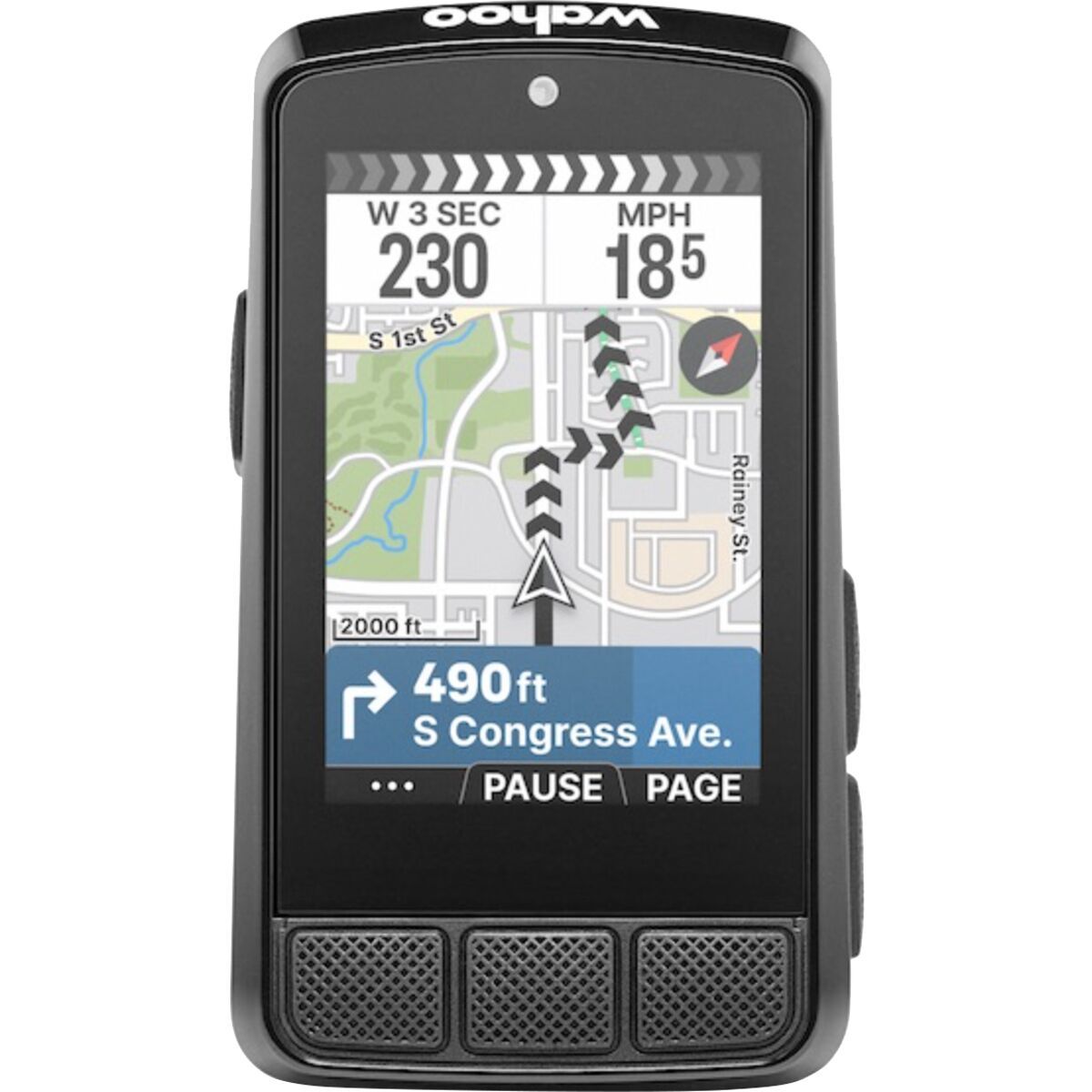
Wahoo ELEMNT BOLT 3
Track your rides with Wahoo's compact GPS — the bike computer we use daily.