Understanding Target Heart Rate
Target heart rate is the ideal heart rate range for achieving specific training goals. By exercising within your target zone, you can maximize the effectiveness of your workouts while avoiding overexertion or undertraining. Many athletes track heart rate variability alongside these zones.
Calculation Methods Explained
Karvonen Method (Heart Rate Reserve)
The Karvonen formula is considered the most accurate method for calculating target heart rate. It uses your heart rate reserve (the difference between maximum and resting heart rate) to determine training zones.
Formula: Target HR = (Max HR - Resting HR) × Intensity% + Resting HR
Basic Method
The simplest method using age-predicted maximum heart rate. Less accurate but widely used.
Formula: Target HR = (220 - Age) × Intensity%
Tanaka Method
A more accurate age-predicted formula, especially for older adults and trained athletes.
Formula: Target HR = (208 - 0.7 × Age) × Intensity%
Training Intensity Zones
50-60% - Recovery/Fat Burn Zone
- Purpose: Active recovery, fat oxidation
- Feel: Very easy, conversational
- Duration: 30-90 minutes
- Benefits: Recovery, fat burning, aerobic base
60-70% - Aerobic Base Zone
- Purpose: Aerobic fitness development
- Feel: Easy to moderate, can hold conversation
- Duration: 45-120+ minutes
- Benefits: Cardiovascular fitness, endurance
70-80% - Aerobic Threshold Zone
- Purpose: Aerobic power improvement
- Feel: Moderate to hard, limited conversation
- Duration: 20-60 minutes
- Benefits: Lactate clearance, aerobic power
80-90% - Lactate Threshold Zone
- Purpose: Anaerobic threshold training
- Feel: Hard, difficult to speak
- Duration: 10-30 minutes
- Benefits: Lactate tolerance, race pace
90-100% - VO2 Max Zone
- Purpose: Maximum aerobic power
- Feel: Very hard to maximum
- Duration: 3-8 minutes
- Benefits: VO2 max, anaerobic capacity
How to Measure Your Resting Heart Rate
- Best Time: First thing in the morning, before getting out of bed
- Method: Count pulse for 60 seconds or 15 seconds × 4
- Location: Wrist (radial) or neck (carotid) pulse
- Consistency: Measure for several days and take average
- Factors: Avoid after caffeine, alcohol, or stress
Training Tips
- Use a Heart Rate Monitor: For accurate real-time feedback
- Warm Up Gradually: Allow heart rate to rise slowly
- Listen to Your Body: Adjust intensity based on how you feel
- Cool Down Properly: Let heart rate return to normal gradually
- Track Trends: Monitor resting HR changes over time
Factors Affecting Heart Rate
- Fitness Level: Fitter individuals have lower resting HR
- Age: Maximum HR decreases with age
- Temperature: Hot weather increases HR
- Hydration: Dehydration elevates HR
- Medications: Some drugs affect heart rate
- Caffeine: Can increase resting and exercise HR
- Stress: Emotional stress raises HR
Featured at Backcountry: 15% off first order
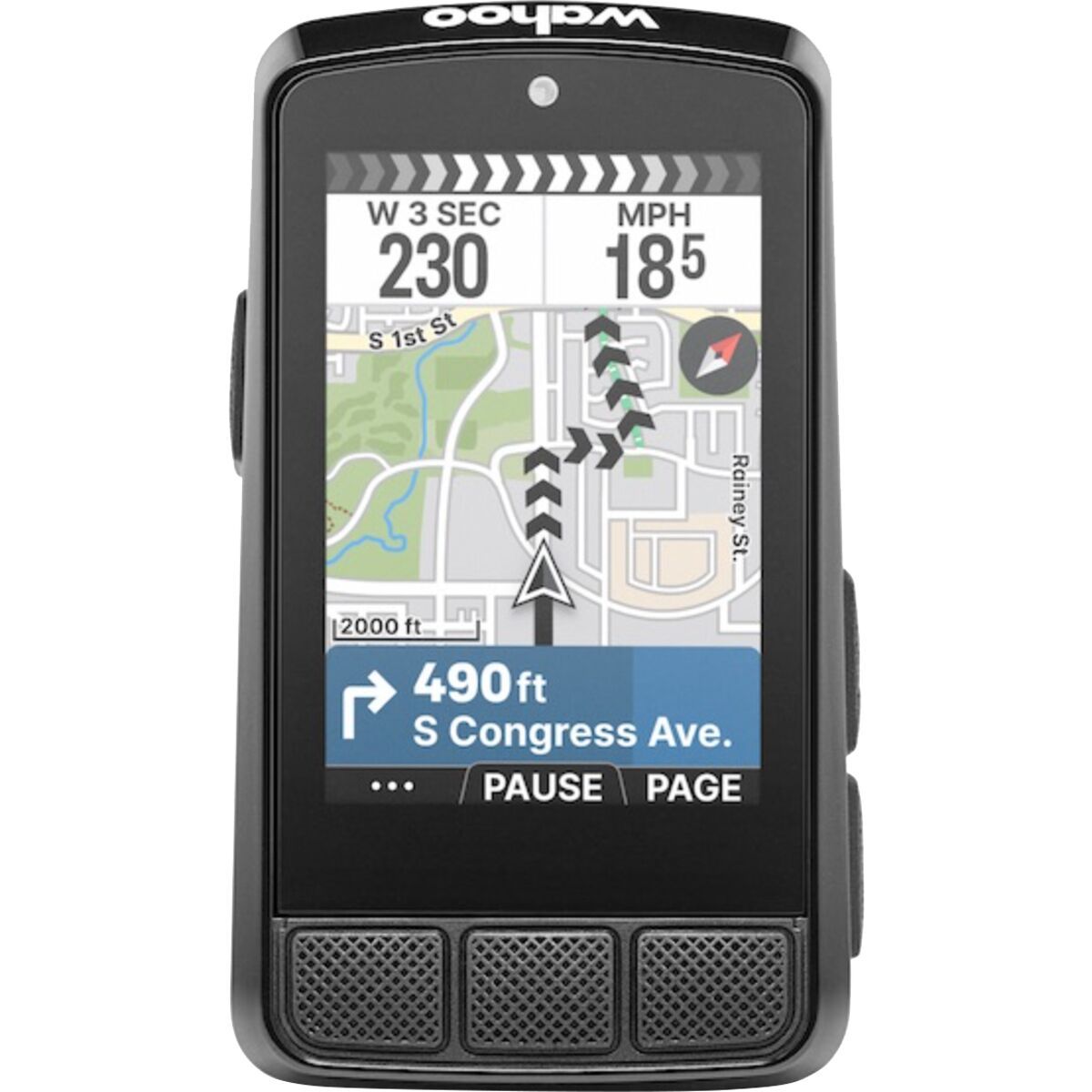
Wahoo ELEMNT BOLT 3
Pair with any ANT+ or Bluetooth HR monitor. Displays training zones in real time.
Frequently Asked Questions
What is my target heart rate for exercise?
Target heart rate depends on your goal. For fat burning/Zone 2, aim for 60-70% of max HR. For cardio fitness, aim for 70-80%. For high intensity, 80-90%. Calculate max HR as 220 minus your age (or use a field test for accuracy).
How do I calculate my target heart rate?
Basic method: (220 - age) × intensity%. Karvonen method for more accuracy: ((Max HR - Resting HR) × intensity%) + Resting HR. For example, a 40-year-old with resting HR 60 at 70% intensity: ((180-60) × 0.70) + 60 = 144 bpm.
What is a good resting heart rate?
Normal resting heart rate is 60-100 bpm. Athletic adults often have 40-60 bpm. Elite endurance athletes may have 35-50 bpm. Measure first thing in morning before getting out of bed for 3-5 days and average the results.
Should I use max HR percentage or heart rate reserve?
Heart rate reserve (Karvonen method) is more accurate because it accounts for your fitness level via resting heart rate. Max HR percentage is simpler but less personalized. For serious training, use Karvonen; for casual exercise, either works.