The core is the engine room of athletic performance, yet many endurance athletes neglect this crucial area in favor of more sport-specific training. Whether you're a runner chasing a PR, a cyclist seeking more power, or a triathlete optimizing all three disciplines, your core strength directly impacts your performance, efficiency, and injury resistance.
This comprehensive guide explores the science of core training for endurance athletes, providing sport-specific exercises, programming strategies, and sample routines that integrate seamlessly with your existing training plan. Unlike generic fitness core work, every exercise and program presented here is designed with endurance performance in mind.
Key Insight
Research shows that endurance athletes with well-developed core strength demonstrate 15-30% better running economy and cycling efficiency compared to those with weak cores, primarily through reduced energy waste from compensatory movements.
Core Anatomy for Athletes
Understanding core anatomy helps you train more effectively. The core isn't just the "six-pack" muscles—it's a complex system of muscles that stabilize the spine, pelvis, and hips, creating the foundation for all movement.
The Deep Core System
The deep core muscles provide intrinsic stability and work reflexively during movement:
Transverse Abdominis (TVA)
The deepest abdominal muscle wraps around your midsection like a corset, providing spinal stability and intra-abdominal pressure. The TVA activates before any limb movement, making it the foundation of core function.
Multifidus
Small muscles running along the spine that provide segmental stability. Weakness here is strongly correlated with lower back pain in athletes.
Diaphragm
Beyond breathing, the diaphragm creates intra-abdominal pressure that stabilizes the spine. Proper breathing mechanics are essential for core function under fatigue.
Pelvic Floor
The base of the core canister, working with the diaphragm to maintain pressure and stability. Often overlooked in athletes but crucial for high-impact activities.
The Outer Core System
Larger muscles that produce movement and generate force:
- Rectus Abdominis: The "six-pack" muscle responsible for spinal flexion and resisting extension forces during running
- External Obliques: Rotate the trunk and resist rotation—critical for running gait and cycling stability
- Internal Obliques: Work with external obliques for rotation and lateral flexion
- Erector Spinae: Back extensors that maintain posture and resist forward collapse during fatigue
- Quadratus Lumborum: Lateral stabilizers that prevent hip drop during single-leg stance (running)
- Gluteal Complex: Hip extensors and stabilizers that work with core muscles to control pelvic position
Why Core Strength Matters for Endurance Athletes
Force Transfer and Power Application
Every watt of power in cycling and every stride in running must transfer through your core. A weak core is like a transmission with slipping gears—power generated by your legs never fully reaches the ground or pedals.
Running Impact
- • Ground reaction forces up to 3x body weight
- • Core must stabilize spine during each stance phase
- • Hip stability prevents energy-wasting lateral movement
- • Anti-rotation strength maintains forward momentum
Cycling Impact
- • Stable platform for leg drive against pedals
- • Maintains aerodynamic position under fatigue
- • Controls upper body during high-power efforts
- • Prevents excessive saddle movement
Movement Efficiency
Running and cycling are repetitive activities—runners take approximately 180 strides per minute, cyclists turn the pedals 80-100 times per minute. Even small inefficiencies compound over time.
Efficiency Research
A study of marathoners found that those with the highest core endurance scores showed 5.3% better running economy at marathon pace compared to those with the lowest scores—equivalent to several minutes over 26.2 miles.
Fatigue Resistance
As endurance events progress, core muscles fatigue and form deteriorates. This is why your running form breaks down in the final miles of a marathon or you struggle to hold your aero position in the last hour of a century ride. Training core endurance delays this breakdown.
Injury Prevention
Many endurance injuries trace back to core weakness:
- IT Band Syndrome: Often caused by hip drop from weak lateral core stabilizers
- Runner's Knee: Related to poor hip-knee control stemming from core instability
- Lower Back Pain: The most common complaint in cyclists, directly linked to core weakness
- Hip Flexor Strain: Compensating for weak deep core stabilizers
- Hamstring Issues: Core instability forces hamstrings to work as stabilizers instead of prime movers
Core Assessment for Endurance Athletes
Before designing your program, assess your current core function. These tests identify weaknesses and guide exercise selection.
Plank Endurance Test
Protocol: Hold a forearm plank with neutral spine until form breaks down (hips sag or lift, excessive shaking, breath holding).
- • Less than 60 seconds: Needs significant work
- • 60-120 seconds: Baseline acceptable
- • 120-180 seconds: Good endurance
- • 180+ seconds: Excellent—focus on dynamic exercises
Side Plank Symmetry Test
Protocol: Time maximum side plank hold on each side. Asymmetry greater than 15% indicates an imbalance requiring attention.
Why It Matters: Left-right asymmetries often correlate with hip drop during running and uneven pedaling in cycling.
Single-Leg Balance Test
Protocol: Stand on one leg with eyes closed for 30 seconds. Note hip drop, trunk sway, or loss of balance.
Running Application: Running is a series of single-leg stances. If you can't balance on one leg statically, dynamic running stability is compromised.
Dead Bug Control Test
Protocol: Perform 10 slow dead bugs (extending opposite arm and leg). Partner places hand under lower back. If back presses into hand during movement, anti-extension control is poor.
Cycling Application: Reflects ability to stabilize lumbar spine while producing force—exactly what happens during pedaling.
Fundamental Core Exercises
Master these foundational movements before progressing to sport-specific exercises. Quality always trumps quantity—maintain proper form throughout.
Anti-Extension Exercises
These exercises train your core to resist extension (arching) of the lower back:
Dead Bug
Lie on back, arms toward ceiling, knees bent 90 degrees. Slowly lower opposite arm and leg while maintaining flat lower back. Return and repeat other side.
Sets/Reps: 3 x 8-12 each side | Tempo: 3 seconds down, 1 second up
Plank
Forearms and toes, body in straight line. Engage glutes, draw belly button toward spine, maintain neutral neck. Breathe steadily throughout.
Duration: 30-60 seconds | Sets: 3-4
Ab Wheel Rollout (Advanced)
Kneel with hands on ab wheel. Roll forward maintaining flat back until arms extended. Pull back using core. Stop if back arches.
Sets/Reps: 3 x 8-10 | Regression: Partial range or wall stop
Anti-Rotation Exercises
Critical for running and cycling where forces try to rotate the trunk:
Pallof Press
Stand perpendicular to cable machine or band anchor. Press handle straight out from chest, resisting rotation toward anchor. Hold 2-3 seconds, return.
Sets/Reps: 3 x 10-12 each side | Progression: Half-kneeling, then tall-kneeling
Bird Dog
On hands and knees, extend opposite arm and leg while keeping hips level and back flat. Don't let hips rotate. Hold 2-3 seconds, return.
Sets/Reps: 3 x 8-10 each side | Focus: Hip stability, no rotation
Anti-Lateral Flexion Exercises
Prevent hip drop and side-to-side wobble:
Side Plank
Lie on side, forearm on ground, feet stacked. Lift hips to create straight line from head to feet. Don't let hips sag or pike upward.
Duration: 20-45 seconds each side | Sets: 3 | Progression: Top leg lift
Suitcase Carry
Hold weight in one hand at side. Walk slowly, maintaining upright posture without leaning. Core works to prevent lateral flexion.
Distance: 30-40 meters each side | Sets: 3
Running-Specific Core Training
Running demands rotational control, single-leg stability, and the ability to maintain form under fatigue. These exercises directly translate to running mechanics.
Single-Leg Stance Progression
- Level 1: Single-leg balance, 30 seconds each side
- Level 2: Single-leg balance with arm swing (mimicking running)
- Level 3: Single-leg balance on foam pad
- Level 4: Single-leg balance with eyes closed
- Level 5: Single-leg squat with controlled hip-knee alignment
Running-Specific Exercises
Mountain Climbers (Controlled)
Plank position, drive one knee toward chest while maintaining stable hips. Slow, controlled movement—not cardio pace. Mimics hip flexion during running.
Sets/Reps: 3 x 12-15 each side | Focus: No hip rotation or lifting
Standing Cable Rotation
Stand perpendicular to cable at shoulder height. Pull cable across body by rotating through trunk, keeping hips stable. Mimics arm-torso counter-rotation in running.
Sets/Reps: 3 x 10-12 each side | Key: Rotate through thoracic spine, not hips
Hip Hike (Lateral Pelvic Control)
Stand on one leg on a step. Let opposite hip drop below level, then use lateral core to hike it back up. Strengthens muscles that prevent hip drop during running.
Sets/Reps: 3 x 12-15 each side
Single-Leg Deadlift
Hinge at hip on one leg, opposite leg extending behind. Keep hips square and back flat. Return to standing. Mimics single-leg stance phase and hip extension of running.
Sets/Reps: 3 x 8-10 each side | Progression: Add dumbbell
Runner's Core Focus
Prioritize exercises that train single-leg stability, anti-rotation (controlling trunk rotation during arm swing), and hip control. Traditional crunches have minimal transfer to running performance.
Cycling-Specific Core Training
Cyclists need core strength to maintain position, create a stable platform for leg drive, and resist fatigue over long rides. The emphasis differs from running—more isometric holds and anti-flexion work.
Cycling-Specific Exercises
Superman/Back Extension Hold
Lie face down, lift chest and legs off ground, hold. Strengthens back extensors that maintain cycling position. Don't hyperextend—keep neutral spine.
Duration: 15-30 seconds | Sets: 3-4
Leg Lowering (Anti-Extension)
Lie on back, legs vertical. Slowly lower legs toward ground while maintaining flat lower back. Stop before back arches and return. Mimics maintaining pelvic position during pedaling.
Sets/Reps: 3 x 10-12 | Progression: Lower legs further
Reverse Plank
Sit with hands behind, lift hips to create straight line from shoulders to heels. Strengthens posterior chain and opens hip flexors—counteracting cycling's flexed position.
Duration: 20-30 seconds | Sets: 3
Bent-Over Row (Isometric Core Challenge)
Hinge at hips holding weights, maintain flat back position while rowing. Core must work isometrically to maintain position—similar to cycling demands.
Sets/Reps: 3 x 10-12 | Focus: Stable spine throughout
Plank to Push-Up (Dynamic Stability)
Start in forearm plank, push up to hand plank one arm at a time, return. Core must maintain stability while arms move. Mimics out-of-saddle stability.
Sets/Reps: 3 x 8-10 (4-5 each lead arm)
Cyclist's Core Focus
Emphasize exercises that build endurance in the position-holding muscles (back extensors), counter hip flexor tightness with extension work, and develop the isometric strength needed to hold aero positions without losing power.
Triathlon Core Training
Triathletes face unique challenges—swimming adds another dimension of core demand, and you must maintain function through three sports. The key is building versatile core strength that transfers across all disciplines.
Swimming Core Demands
Swimming requires rotational power from the core while maintaining a streamlined body position:
Hollow Body Hold
Lie on back, press lower back into ground, lift shoulders and legs slightly off ground. Arms overhead. Hold streamlined position. Mimics swimming body position.
Duration: 20-40 seconds | Sets: 3-4
Landmine Rotation
Hold end of barbell anchored at floor. Rotate bar from hip to hip in arc, pivoting feet. Builds rotational power for swimming catch and pull.
Sets/Reps: 3 x 10-12 each side
Transition-Ready Core
Coming off the bike with depleted core muscles makes running form challenging. Train your core to function under cumulative fatigue:
Brick Core Circuit
After bike trainer sessions, immediately perform:
- 20 seconds plank
- 10 dead bugs (each side)
- 20 seconds side plank (each side)
- Run 5-10 minutes focusing on form
This teaches your core to function when pre-fatigued, exactly like race conditions.
Programming Core Training
Effective core programming integrates with—not competes with—your endurance training. Here's how to structure core work throughout your training cycle.
Base/Off-Season Phase
Focus: Build Strength
- • Frequency: 3-4 sessions per week
- • Duration: 25-35 minutes
- • Intensity: Progressive overload—increase difficulty
- • Emphasis: Fundamental movements, correct imbalances, build strength reserve
Build Phase
Focus: Sport-Specific Transfer
- • Frequency: 2-3 sessions per week
- • Duration: 15-25 minutes
- • Intensity: Maintain strength, add sport-specific exercises
- • Emphasis: Running or cycling-specific movements, endurance holds
Race/Peak Phase
Focus: Maintenance
- • Frequency: 2 sessions per week
- • Duration: 10-15 minutes
- • Intensity: Maintenance—no new exercises or increased difficulty
- • Emphasis: Familiar exercises, activation work before key sessions
Weekly Integration
Sample week during build phase (runner):
- Monday: Easy run + 15-minute core routine
- Tuesday: Speed work (no core—quality focus)
- Wednesday: Cross-train + 20-minute core routine
- Thursday: Tempo run + 5-minute core activation post
- Friday: Rest or easy (optional core activation)
- Saturday: Long run (no additional core)
- Sunday: Recovery + 10-minute gentle core/mobility
Core Training for Injury Prevention
Strategic core training can address and prevent common endurance injuries. Here's how to target specific issues:
Lower Back Pain (Cyclists)
Root Cause: Weak deep stabilizers, tight hip flexors, poor positional endurance
Solution: Dead bugs, bird dogs, cat-cow mobility, hip flexor stretching, superman holds with proper activation
IT Band Issues (Runners)
Root Cause: Hip drop from weak lateral stabilizers (gluteus medius, quadratus lumborum)
Solution: Side planks with hip abduction, hip hikes, single-leg bridges, clamshells, lateral band walks
Runner's Knee (Patellofemoral Pain)
Root Cause: Poor hip-knee control stemming from core/hip instability
Solution: Single-leg squats with mirror feedback, step-downs with control, single-leg deadlifts, hip airplane
Core Training Equipment Guide
Quality equipment enhances core training effectiveness and exercise variety. Here are the most valuable tools for endurance athletes:
Resistance Bands
Essential for Pallof presses, lateral walks, and adding resistance to bodyweight exercises. Portable for travel.
View ProductAb Wheel
Advanced anti-extension training tool. One of the most challenging core exercises when performed correctly.
View ProductStability Ball
Adds instability challenge to planks, pikes, and many other exercises. Also useful for stretching and mobility.
View ProductBalance Disc/Pad
Creates unstable surface for single-leg work. More practical than full balance boards for endurance athletes.
View ProductMedicine Ball
Adds load to rotational exercises, Russian twists, and dynamic movements. 4-8 lbs ideal for endurance athletes.
View ProductTRX/Suspension Trainer
Versatile tool for countless core exercises. Adjustable difficulty. Great for travel training.
View ProductSample Core Routines
15-Minute Runner's Core Routine
Perform 2-3 times per week
- Dead Bug - 3 x 10 each side (60 sec rest)
- Side Plank with Hip Dip - 2 x 10 each side
- Single-Leg Bridge - 3 x 12 each side
- Bird Dog - 2 x 10 each side
- Mountain Climbers (slow) - 2 x 15 each side
- Hip Hike - 2 x 12 each side
15-Minute Cyclist's Core Routine
Perform 2-3 times per week
- Plank - 3 x 45 seconds
- Superman Hold - 3 x 20 seconds
- Leg Lowering - 3 x 10
- Pallof Press - 2 x 10 each side
- Reverse Plank - 2 x 25 seconds
- Bird Dog - 2 x 10 each side
20-Minute Triathlete's Core Routine
Comprehensive routine for all three disciplines
- Hollow Body Hold - 3 x 20 seconds (swim)
- Dead Bug - 3 x 10 each side (all)
- Side Plank - 2 x 30 seconds each side (run/bike)
- Superman Hold - 2 x 20 seconds (bike)
- Single-Leg Deadlift - 2 x 8 each side (run)
- Pallof Press - 2 x 10 each side (all)
- Mountain Climbers - 2 x 12 each side (run)
- Plank with Shoulder Tap - 2 x 10 each side (swim/bike)
5-Minute Pre-Workout Activation
Use before key sessions to activate core
- Cat-Cow - 10 reps
- Dead Bug - 8 each side
- Glute Bridge - 10 reps with 3-second hold
- Plank - 30 seconds
- Bird Dog - 6 each side
Frequently Asked Questions
How often should endurance athletes train their core?
Endurance athletes should perform dedicated core training 2-4 times per week, with sessions lasting 15-30 minutes. During high-volume training phases, 2-3 sessions focusing on maintenance is sufficient. During base building or off-season, 3-4 sessions with progressive overload helps build strength. Consistency matters more than duration—brief daily activation routines often produce better results than infrequent longer sessions.
What are the best core exercises for runners?
The best core exercises for runners include planks and side planks for stability, dead bugs for anti-extension strength, bird dogs for hip-spine coordination, single-leg exercises like single-leg deadlifts for unilateral stability, and pallof presses for anti-rotation. Running-specific exercises like mountain climbers, standing cable rotations, and hip flexor marches directly translate to running mechanics and help maintain form during fatigue.
Can core training improve cycling power output?
Yes, core training can improve cycling power output by creating a more stable platform for leg drive. Research shows that cyclists with stronger cores maintain better pelvic stability, reducing energy waste from excessive movement. A stable core allows more efficient force transfer from legs to pedals, particularly during high-intensity efforts, climbing, and sprinting. Studies have shown 5-15% improvements in cycling efficiency with targeted core training programs.
Should I do core exercises before or after my main workout?
Light core activation exercises are best performed before your main workout as part of your warm-up, priming the neuromuscular system for stability. More demanding core strength work should be done after your main workout or on separate days to avoid pre-fatiguing muscles needed for quality endurance training. Never perform heavy core work before key speed or long sessions, as core fatigue can compromise form and increase injury risk.
How does core weakness affect running and cycling performance?
Core weakness manifests differently in each sport. In running, it causes excessive trunk rotation, hip drop, and forward lean during fatigue, reducing efficiency and increasing injury risk. In cycling, core weakness leads to excessive upper body movement, saddle sway, and inability to maintain an aerodynamic position. Both sports suffer from reduced power transfer—energy intended for forward propulsion gets lost to compensatory movements when the core cannot stabilize the spine and pelvis.
Building Your Endurance Foundation
Core strength isn't about six-pack aesthetics—it's about building the stable foundation that allows you to run faster, ride stronger, and train consistently without injury. Unlike the hours you spend swimming, biking, and running, core training takes minimal time but delivers outsized returns.
Start with the assessment tests to identify your weaknesses, master the fundamental exercises with proper form, then progress to sport-specific movements. Remember that consistency trumps intensity—fifteen minutes of quality core work several times per week will transform your performance more than sporadic hour-long sessions.
Your Action Plan
This week, perform the assessment tests, choose one of the sample routines based on your primary sport, and commit to completing it three times. Pay attention to how your core feels during your next long run or ride—you'll start noticing improved stability and reduced fatigue. Build from there, and watch your performance reach new levels.
Related Articles
📊 Track Your Progress
Use our free calculators to monitor your fitness:
Featured at Backcountry — 15% off first order
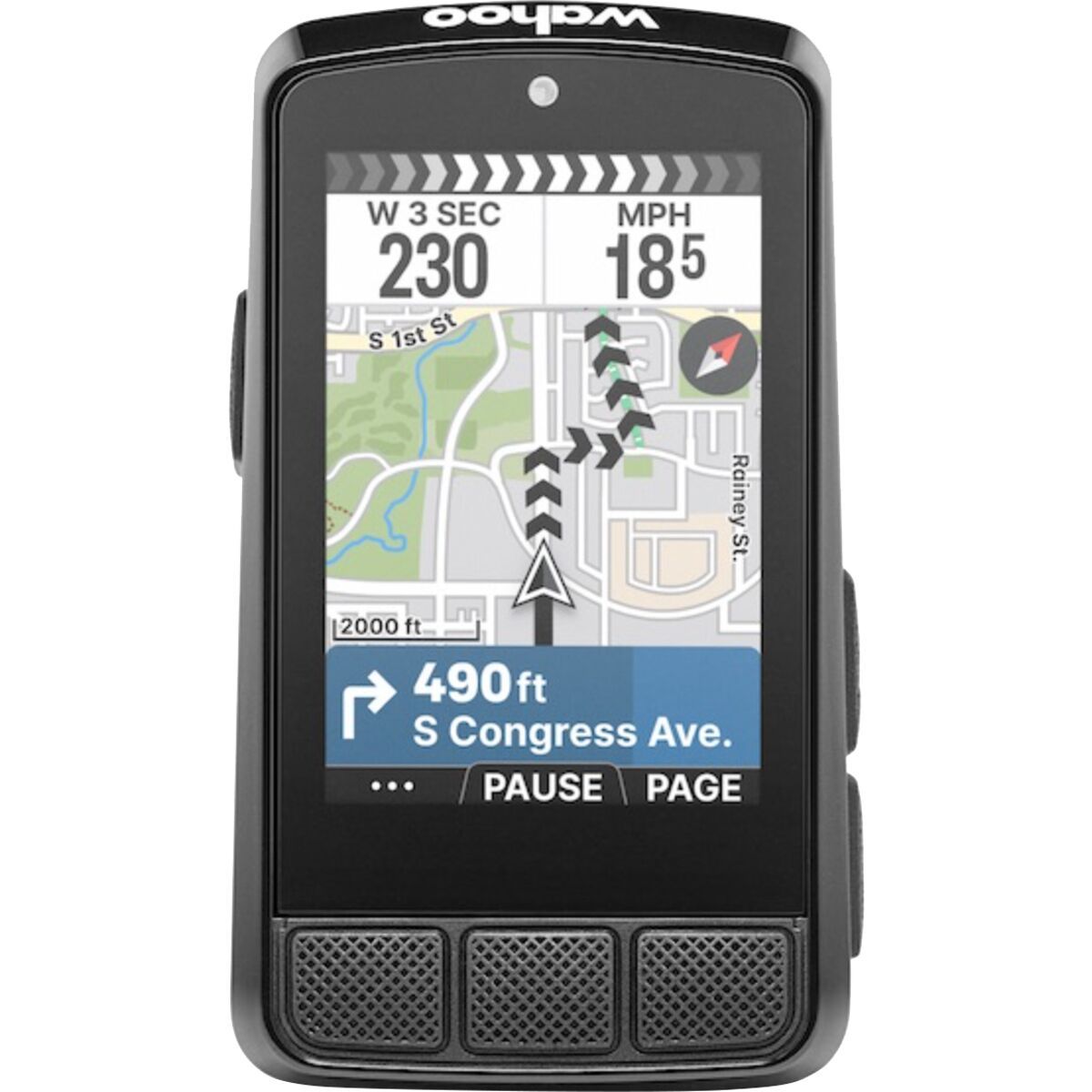
Wahoo ELEMNT BOLT 3
Track your rides with Wahoo's compact GPS — the bike computer we use daily.