Heart Rate Reserve (HRR) Calculator
Calculate your Heart Rate Reserve and personalized training zones for more effective endurance training. More accurate than basic age-formula methods used by coaches and athletes worldwide.
Quick Answer: HRR = Max HR - Resting HR. Example: 190 max - 60 resting = 130 HRR. Zone 2 target = 60 + (130 × 0.6 to 0.7) = 138-151 bpm. More accurate than simple % of max HR.
Enter Your Details
Endure Weekly
Want to keep improving?
Get your free Zone 2 training guide plus one short training email each Wednesday.
Free. No spam. Unsubscribe anytime.
What is Heart Rate Reserve?
Heart Rate Reserve (HRR) is the difference between your maximum heart rate and your resting heart rate. This value represents your heart's working capacity - the range through which your heart rate can increase during exercise.
The HRR Formula
HRR = Maximum Heart Rate - Resting Heart Rate
Target HR = Resting HR + (HRR × intensity percentage)
Why Use HRR?
- Personalized accuracy: Accounts for individual fitness levels through resting heart rate
- Better zone precision: More accurate than simple percentage of max HR
- Fitness tracking: As fitness improves, resting HR decreases and HRR increases
- Professional standard: Used by coaches, athletes, and sports scientists worldwide
- Individual differences: Two people of the same age can have very different HRR values
Understanding Your Training Zones
Very easy pace, conversational, promotes blood flow and recovery
Easy pace, build endurance, fat burning, foundation training
Moderate pace, tempo runs, improving aerobic capacity
Hard pace, comfortably hard, race pace training
Very hard intervals, maximum aerobic capacity, short efforts
Frequently Asked Questions
What is Heart Rate Reserve (HRR)?
Heart Rate Reserve (HRR) is the difference between your maximum heart rate and resting heart rate. It represents the range your heart rate can increase during exercise and is used to calculate personalized training zones that account for your individual fitness level.
How is HRR different from the Karvonen Formula?
HRR and the Karvonen Formula are essentially the same method. Both calculate training zones using heart rate reserve (max HR minus resting HR). The Karvonen Formula is simply the mathematical application of HRR principles, developed by Finnish exercise physiologist Martti Karvonen.
How do I measure my resting heart rate accurately?
Measure your resting heart rate first thing in the morning before getting out of bed. Use a heart rate monitor or take your pulse for 60 seconds. Track it for 3-5 consecutive days and use the average for most accurate results. Make sure you're well-rested and not sick.
Should I use age-estimated or tested max heart rate?
A tested maximum heart rate is always more accurate than age-based estimates like 220-age. If you've done a proper max HR test or observed your highest heart rate during intense training or racing, use that actual value instead. The 220-age formula can be off by 10-20 bpm for many individuals.
What are the HRR training zones used for?
Zone 1 (50-60% HRR) for active recovery between hard sessions, Zone 2 (60-70%) for aerobic base building (most training volume), Zone 3 (70-80%) for aerobic endurance and tempo work, Zone 4 (80-90%) for lactate threshold and race pace training, and Zone 5 (90-100%) for VO2 max intervals and maximum effort.
How often should I recalculate my HRR zones?
Recalculate your HRR zones every 8-12 weeks or whenever you notice significant fitness changes. As your fitness improves, your resting heart rate typically decreases, which increases your HRR and adjusts your training zones. Also recalculate if you've done a new max HR test.
Is HRR more accurate than percentage of max HR?
Yes, HRR-based zones are generally more accurate than simple percentage of max HR because they account for resting heart rate, which reflects individual fitness level. A person with a lower resting heart rate (better fitness) will have different training zones than someone with a higher resting rate, even if they have the same max HR.
Can I use HRR zones for both running and cycling?
While you can use HRR zones across different sports, your maximum and resting heart rates may differ between cycling and running. For most accuracy, measure sport-specific values if possible. Cycling max HR is typically 5-10 bpm lower than running max HR for the same individual.
Related Heart Rate Calculators
Karvonen Calculator
Calculate zones using the Karvonen Formula (same as HRR method)
Zone 2 Calculator
Find your optimal aerobic base training zone
Heart Rate Zone Calculator
Basic 5-zone heart rate calculator
Max Heart Rate Calculator
Estimate your maximum heart rate
LTHR Zone Calculator
Calculate zones based on lactate threshold
All Heart Rate Tools
View all heart rate calculators and guides
Advanced Heart Rate Training Resources
Master HRR-based training with comprehensive guides and scientific insights
Heart Rate Zones for Running
Complete guide to all 5 heart rate zones using HRR and Karvonen methods.
Zone 2 Training Guide
Build aerobic base with accurate HRR-based Zone 2 training.
VO2 Max Training Guide
Train at maximum intensity with precise HRR-based guidance.
Lactate Threshold Training
Perfect your threshold training with accurate HRR zones.
Heart Rate Monitor Guide
Choose the right monitor for accurate HRR training.
Heart Rate Drift Explained
Understand cardiovascular drift and adjust HRR zones accordingly.
Explore the Heart Rate Training Hub
Access all related calculators, guides, and training plans in one place.
Featured at Backcountry — 15% off first order
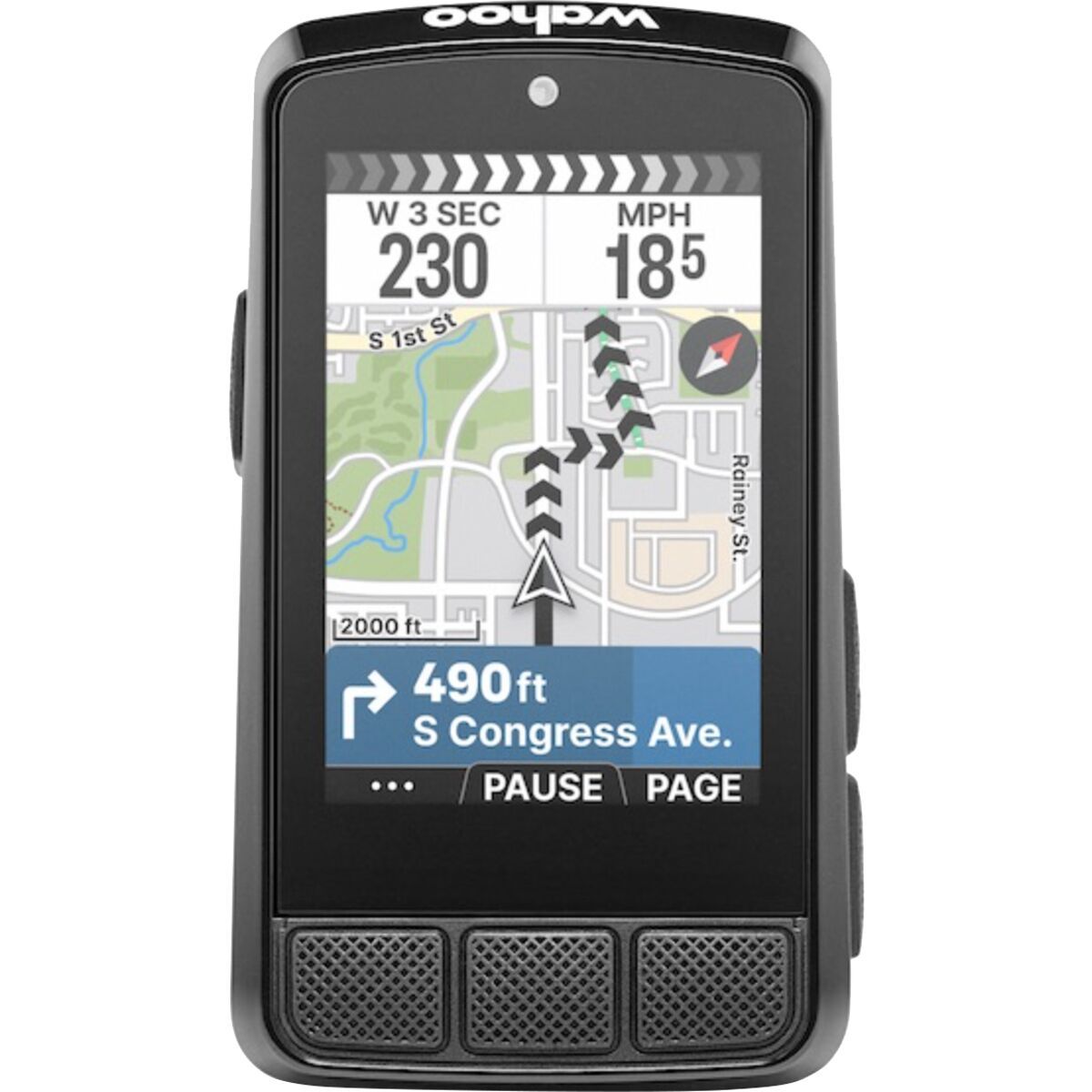
Wahoo ELEMNT BOLT 3
Pair with any ANT+ or Bluetooth HR monitor. Displays training zones in real time.

Find your heart rate zones, build an aerobic base with 8- and 12-week plans, and use pace and power tables to train easy and race faster. Inside: zone tables by age, max HR, heart rate reserve (Karvonen) and LTHR, field tests for max HR, LTHR and FTP, four ways to verify Zone 2 without trusting your watch, and complete base plans for running and for cycling.
As an Amazon Associate we earn from qualifying purchases.