Blog / Recovery Gear
Best Massage Guns 2026
Shopping the sale? See our Black Friday massage gun deals guide for what is worth buying.
After researching 12 percussion massagers against manufacturer specs, expert reviews, and thousands of verified owner reviews, we found the best for runners, cyclists, and triathletes. A massage gun is one piece of a wider plan, which our recovery guides and gear hub lays out
The Quick Answer
After comparing 12 massage guns using expert reviews, lab data, and athlete feedback, the Theragun Prime (6th Gen) (under $500) is the best massage gun for most athletes. It delivers the same 16mm amplitude as the under $1,000 PRO Plus, five speeds, app-guided routines, and a rugged rubber body built for years of daily use. If you want the absolute best regardless of price, the Theragun PRO Plus adds heat therapy that genuinely enhances recovery. For a budget option that actually works, get the Renpho R3 (under $100).
Our Picks at a Glance
The Theragun Prime (6th Gen) pairs 16mm amplitude with 30 lbs of stall force at under $500, and this table sets amplitude, stall force and price against each pick's role.
| Massage Gun | Best For | Amplitude | Stall Force | Price |
|---|---|---|---|---|
| Theragun Prime (6th Gen) | Our Pick | 16mm | 30 lbs | Under $500 |
| Theragun PRO Plus | Upgrade Pick | 16mm | 60 lbs | Under $1,000 |
| Hyperice Hypervolt 2 Pro | Also Great | 14mm | 35 lbs | Under $500 |
| Theragun Mini | Travel | 12mm | 20 lbs | Under $250 |
| Renpho R3 | Budget Pick | 12mm | 25 lbs | Under $100 |
Why You Should Trust This Guide
Glen
Endurance Athlete & Gear Enthusiast
Ironman 70.3 triathlete and cyclist with 10+ years using endurance sports gear
We didn't just read spec sheets. We compared each massage gun using manufacturer specifications, expert reviews, and feedback from thousands of verified owners who train as marathoners, century cyclists, and triathletes, focusing on real-world use for sore quads after long runs, locked-up hip flexors from hours in the saddle, and the chronic calf tightness that plagues endurance athletes.
We compared published stall force figures, manufacturer battery-life ratings, and stated noise levels, then weighed those against what owners consistently report: which devices they reach for daily versus which collect dust, and how the hardware holds up over years of use. That research is what separates the features that matter from the marketing.
The percussion therapy market has exploded with cheap knockoffs making bold claims. We cut through the marketing to find what actually works for athletes who train seriously.
How We Evaluated
We started with 12 massage guns spanning budget to premium price tiers and compared each on criteria that matter for athletic recovery:
- Amplitude (stroke depth): Measured in millimeters, this determines how deep the percussion reaches. We compared manufacturer specifications and weighed whether the figure translates to better deep tissue treatment in owner reports.
- Stall force: How much pressure you can apply before the motor stops. Critical for treating dense, developed muscle tissue. We compared published stall force ratings across models.
- Real-world battery life: Manufacturer ratings cross-checked against what owners report after continuous use across multiple sessions.
- Noise levels: Stated in decibels by the maker. Can you use it during a Zoom call? Early morning without waking the household?
- Ergonomics: Can you reach your own back, hamstrings, and calves without contorting?
- Attachment heads: Are the included heads actually useful for athletic recovery, or just marketing variety?
- Durability: Build quality, material feel, and track record for long-term reliability.
We set aside 7 devices that didn't meet our standards based on specs and owner feedback, either too weak for serious muscle treatment, too loud for practical use, or built cheaply enough to question longevity. The 5 remaining are all genuinely good; the differences come down to specific needs and budget.
Our Pick: Theragun Prime (6th Gen)
The Best Massage Gun for Most Athletes
The Theragun Prime (6th Gen) is the massage gun we recommend for most athletes. At under $500, it's not cheap, but it delivers the deep tissue treatment that actually matters for recovery in a body built to take a beating in a gym bag.
What makes the Prime our pick over the PRO Plus, at under $1,000? They share the same 16mm amplitude, the deepest in Therabody's lineup, which is what determines how far the percussion reaches into muscle tissue. The PRO Plus adds heat and cold therapy and a much higher stall force (60 vs about 30 lbs), but for most athletes the Prime's stall force handles tight calves, quads and glutes at moderate pressure. If you like to lean hard into knots, that is the one spec to weigh.
The 6th generation is built around durability. Therabody wraps it in a TPU rubber exterior with reinforced corners and rates it for drops up to 10 feet, and its adaptive motor is designed to hold speed under pressure instead of stalling. Five speeds run from roughly 1,750 to 2,400 percussions per minute, and LED indicators show both speed and how hard you are pressing, in real time.
The patented triangle grip, now with a wider opening, lets you reach your own back, hamstrings and calves without contorting. For solo athletes without a training partner, that ergonomic design is what makes self-treatment practical. Bluetooth connects it to the Therabody app for guided routines and personalized recovery plans.
Therabody rates battery life at 120 minutes per charge, enough for about a week of daily recovery work, and it charges over USB-C. The tradeoff for the lower price is the attachment bundle: the Prime ships with two heads (the Dampener for sensitive areas and the Standard Ball for everything else), where earlier models included more. At about 2 lbs (907 g), it is a full-size gun, not a travel one.
Why It's Our Pick
- • 16mm amplitude, same as the PRO Plus
- • Rubber body rated for 10-foot drops
- • Ergonomic triangle grip
- • 120-minute battery, USB-C charging
- • 5 speeds with real-time pressure feedback
- • Therabody app integration
- • FDA-registered, HSA/FSA eligible
The Tradeoffs
- • Under $500 price point
- • 30 lb stall force (vs 60 lb on PRO Plus)
- • Only 2 attachments included
- • No heat therapy, non-rotating arm
- • Still a noticeable knock at top speed
- • 1-year limited warranty
Bottom line: The Theragun Prime (6th Gen) is the massage gun to get if you want serious percussion therapy without paying for features you may not need: the full 16mm stroke, a body built to survive drops, and a price well under the PRO Plus.
Upgrade Pick: Theragun PRO Plus
The Best Massage Gun, Period
If budget isn't the primary concern and you want the absolute best recovery tool available, the Theragun PRO Plus is it. At under $1,000, it's expensive, but it's the device you'll find in professional sports training rooms for good reason.
The killer feature is integrated heat and cold therapy. The heated attachment warms muscle tissue before percussion, improving blood flow and making the treatment more effective on cold, tight muscles. Expert reviews and owner reports consistently single out the heated attachment as the feature they use most, especially for early morning treatment of overnight stiffness.
The 60-pound stall force is overkill for most people, until it isn't. Athletes with particularly dense, developed muscle tissue (think competitive powerlifters or years of training accumulation) will appreciate that the PRO Plus never bogs down, no matter how hard you press. The rotating arm also helps reach your own back more easily than the fixed-arm Prime.
Everything else matches or exceeds the Prime: same 16mm amplitude and the same app integration with guided recovery protocols for athletes. Therabody rates its battery at 150 minutes versus the Prime's 120, ample for a week of sessions.
Why Consider Upgrading
- • Heat and cold therapy: genuinely works
- • 60 lb stall force: never bogs down
- • Rotating arm for back access
- • Professional-grade build quality
- • 16mm amplitude (same as Prime)
- • 2-year warranty
The Tradeoffs
- • under $1,000 price, about $370 more than Prime
- • Heavier than Prime
- • Heat attachments need charging
- • Overkill for casual users
Bottom line: The Theragun PRO Plus is worth the upgrade if you'll actually use the heat therapy (you probably will) and want the most powerful stall force available. For professional athletes or those with the budget, it's the best recovery tool money can buy.
Also Great: Hyperice Hypervolt 2 Pro
Best for Hyperice Ecosystem Users
Hyperice Hypervolt 2
Pressure sensor with LED feedback. Great ecosystem integration with Normatec and other Hyperice products.
The Hyperice Hypervolt 2 Pro is a legitimate alternative to Theragun, particularly if you're already invested in the Hyperice ecosystem (Normatec boots, Hypersphere, etc.). At under $500 it sits in the same tier as the Theragun Prime, and the standard Hypervolt 2 (under $250) brings the price down further.
The standout feature is the pressure sensor with LED feedback ring. As you press into muscle, the ring displays how much pressure you're applying: helping you maintain consistent treatment and avoid pressing too hard. For athletes learning proper percussion technique, this visual feedback accelerates the learning curve.
Amplitude is 14mm compared to Theragun's 16mm, a difference you can feel on dense muscle groups but that won't matter for most users. Stall force is rated at 35 lbs, a little above the Prime's roughly 30 lbs, so it holds up well when you press hard. The brushless motor is quiet and smooth.
Where Hyperice excels is ecosystem integration. The Hyperice app creates cohesive recovery protocols combining the Hypervolt with compression boots and other devices. If you're building a complete recovery room, Hyperice's unified approach has value. If you're just buying a massage gun, Theragun edges ahead on pure specs.
Why We Like It
- • Pressure sensor with LED feedback
- • 35 lb stall force, above the Prime's 30 lb
- • Hyperice ecosystem integration
- • Excellent build quality
- • Quiet brushless motor
The Tradeoffs
- • 14mm vs 16mm amplitude
- • No drop-resistant rubber body
- • Only 3 speed settings
- • Less ergonomic grip design
Bottom line: The Hypervolt 2 Pro is a great massage gun, and the standard Hypervolt 2 sits a price tier below the Prime. If you're already using Hyperice products, it's the obvious choice. If you're starting fresh, we'd still pick the Prime for the deeper amplitude and ergonomic handle.
Best for Travel: Theragun Mini
Best Portable Massage Gun
The Theragun Mini solves a real problem: bringing percussion therapy on the road without lugging a full-size device. At 1.43 lbs, it fits in a carry-on, gym bag, or even a large cycling jersey pocket. For athletes traveling to races, this portability is worth the performance tradeoffs.
Don't expect full-size performance: the Mini delivers 12mm amplitude and 20 lbs of stall force, a third less stall force than the Prime. But it's sufficient for pre-race activation and post-race recovery when you're away from home, and owners commonly use it for race-morning warm-ups and hotel room recovery during training camps.
The single-button interface couldn't be simpler: power on, cycle through three speeds, power off. No apps, no Bluetooth, no complexity. Battery life runs about 150 minutes: enough for an entire race weekend of sessions.
We recommend the Mini as a second device for travel, not as a primary massage gun. It's excellent for what it is, but athletes doing daily recovery work at home should get the Prime or PRO Plus for their main treatment and add the Mini for portability.
Why We Like It
- • Ultra-portable (1.43 lbs)
- • TSA-friendly carry-on size
- • 150-minute battery
- • Simple one-button operation
- • Still genuine Theragun quality
The Tradeoffs
- • 12mm amplitude (vs 16mm)
- • 20 lb stall force (vs 30 lb on Prime)
- • Only 3 speed settings
- • Smaller attachment head
- • Not ideal as primary device
Bottom line: The Theragun Mini is the best portable massage gun for athletes who travel to races or want a gym bag option. Buy it as a complement to a full-size device, not as your only massage gun.
Budget Pick: Renpho R3
Best Under $100
Not everyone wants to spend close to $500 on a massage gun, and the Renpho R3 proves you can get genuine percussion therapy benefits for under $100. It's the budget option we'd actually recommend. Most cheap massage guns aren't worth buying, but the R3 delivers real value.
The R3 offers 12mm amplitude (matching the Theragun Mini) and 25 lbs of stall force (exceeding the Mini). Five speed settings provide good versatility, and owner reports describe it working typical muscle groups without overheating or stalling. For athletes training 3-4 times weekly, it's sufficient for basic recovery needs.
The tradeoffs are predictable: the motor is noticeably louder than premium options, the plastic construction feels less refined, and we're less confident in long-term durability. Battery life runs 3-4 hours, which is actually generous for this price point.
Consider the R3 for two scenarios: testing whether percussion therapy works for you before investing in premium gear, or as a backup/travel device when your primary is a full-size Theragun. If you use it daily for a year and it's still part of your routine, upgrade to something more durable.
Why We Recommend It
- • Exceptional value at under $100
- • 12mm amplitude: real penetration
- • 25 lb stall force: exceeds Mini
- • 5 speed settings
- • 6 attachment heads included
- • 3-4 hour battery life
The Tradeoffs
- • Noticeably louder motor
- • Cheaper plastic construction
- • Unknown long-term durability
- • No app connectivity
- • Less ergonomic design
Bottom line: The Renpho R3 is the budget massage gun to buy. It delivers genuine percussion therapy benefits at a fraction of premium prices. Great for testing or as a secondary device; upgrade if you become a daily user.
What the Specs Actually Mean
Amplitude (Stroke Depth)
The distance the attachment head travels on each stroke, measured in millimeters. This is the most important spec. Higher amplitude (14-16mm) reaches deeper muscle tissue: essential for treating dense areas like quads and glutes. Lower amplitude (10-12mm) is gentler, suitable for sensitive areas or warm-up activation. Theragun's 16mm leads the industry; most competitors max out at 12-14mm.
Stall Force
How much pressure you can apply before the motor stalls, measured in pounds. Athletes with dense, developed muscles need higher stall force (40-60 lbs) to press firmly into tissue without the device stopping. Budget devices with 20-25 lb stall force work for lighter pressure but bog down on stubborn knots.
Percussion Speed (PPM)
Percussions per minute: how many times the head strikes per minute. Most quality devices range 1,800-3,200 PPM across speed settings. Lower speeds (1,800-2,100) work for warm-up activation and sensitive areas; higher speeds (2,400-3,200) are better for deep tissue recovery work.
Noise Level
Measured in decibels (dB). Under 60 dB is conversation-quiet; you can use it during calls or TV watching. 60-70 dB is noticeable but not disruptive. Over 70 dB gets annoying for prolonged use. Premium devices like Theragun invest heavily in quiet motor technology; budget devices are typically louder.
How to Use a Massage Gun for Athletic Recovery
Pre-Workout Activation (30-60 seconds per area)
Before training, use quick bursts at lower speed to activate muscles and increase blood flow:
- Glutes and hip flexors before running
- Quads and calves before cycling
- Shoulders and lats before swimming
Post-Workout Recovery (2 minutes per area)
After training, use medium speed for longer duration to promote recovery:
- Work systematically through each major muscle group
- Spend extra time on areas that feel tight or sore
- Move slowly across the muscle, don't hold in one spot
Key Areas for Runners
Quads (especially VMO above knee), hip flexors, calves (gastrocnemius and soleus), glutes, and peroneals (outer calf). These areas accumulate the most fatigue from running and respond well to percussion therapy.
Key Areas for Cyclists
Hip flexors (chronically shortened from cycling position), quads (primary power producers), glutes (often underactive), lower back (tension from aero position), and neck/shoulders (from holding position on long rides).
Areas to Avoid: Don't use percussion therapy directly on bones, joints, or the front of the neck. Avoid the IT band itself: work on muscles that attach to it instead. Never use on areas with acute injuries, inflammation, bruising, or numbness.
Gift idea: The Theragun Prime and Hypervolt 2 is one of the picks in our Gifts for Runners guide. See also Gifts for Runners, gifts under $50 and the gift finder.
Frequently Asked Questions
Is Theragun worth the money for athletes?
Yes, for athletes training regularly. The build quality, 16mm amplitude, and durability justify the investment. Budget guns work for occasional use, but serious athletes will appreciate the deeper tissue penetration and longer lifespan of Theragun devices.
How often should athletes use a massage gun?
Most athletes benefit from daily use: 30-60 seconds per muscle group before workouts for activation, and 2 minutes per muscle group after training for recovery. Don't exceed 2 minutes on any single spot to avoid bruising.
Can massage guns help with IT band syndrome?
Yes, but target the muscles that attach to the IT band (glutes, TFL, quads) rather than the band itself. The IT band is fascia, not muscle, and responds better to indirect treatment of surrounding tissues.
Should I use a massage gun before or after running?
Both. Before running: quick 30-second bursts at lower speeds to activate muscles. After running: longer 2-minute sessions at medium speed to promote recovery. The techniques are different: activation vs. recovery.
What's the difference between Theragun models?
PRO Plus (under $1,000): Heat/cold therapy, 60lb stall force, rotating arm. Prime 6th Gen (under $500): 30lb stall force, 5 speeds, drop-resistant rubber body, best value. Mini (under $250): Portable, 20lb stall force, great for travel. PRO Plus and Prime share a 16mm amplitude; the Mini is 12mm.
Are cheap massage guns any good?
Budget massage guns under $100 work for basic needs but have tradeoffs: lower amplitude (10-12mm vs 16mm), weaker stall force (20-25lbs vs 40-60lbs), louder motors, and shorter lifespan. Fine for testing if percussion therapy works for you; upgrade if it becomes a daily habit.
Related Recovery Resources
The Bottom Line
For most athletes, the Theragun Prime (6th Gen) is the massage gun to buy. It delivers the 16mm amplitude that matters for deep tissue treatment in a rugged, drop-resistant body built for years of daily use. At under $500, it's the sweet spot of performance and value.
If you want the absolute best and can justify under $1,000, the Theragun PRO Plus adds heat therapy that genuinely enhances recovery sessions. Travelers should add the Theragun Mini for race weekends and training camps. And if you're testing whether percussion therapy works for you, start with the Renpho R3 at under $100: it's good enough to learn if you'll use it regularly.
Whatever you choose, consistency beats equipment. A budget massage gun used daily will serve you better than a premium device gathering dust. Start somewhere, use it regularly, and upgrade once percussion therapy becomes a non-negotiable part of your recovery routine.
📊 Free Training Calculators
Maximize your gear with our free calculators:
Related 2026 Gear Guides
- Recovery Tools Guide: Deeper buying guide
- Best Cold Plunges: Cold therapy
- Best Saunas: Heat therapy
- Best Yoga Mats: Stretching + mobility
- Best Compression Socks: Recovery legwear
Featured at Backcountry: 15% off first order
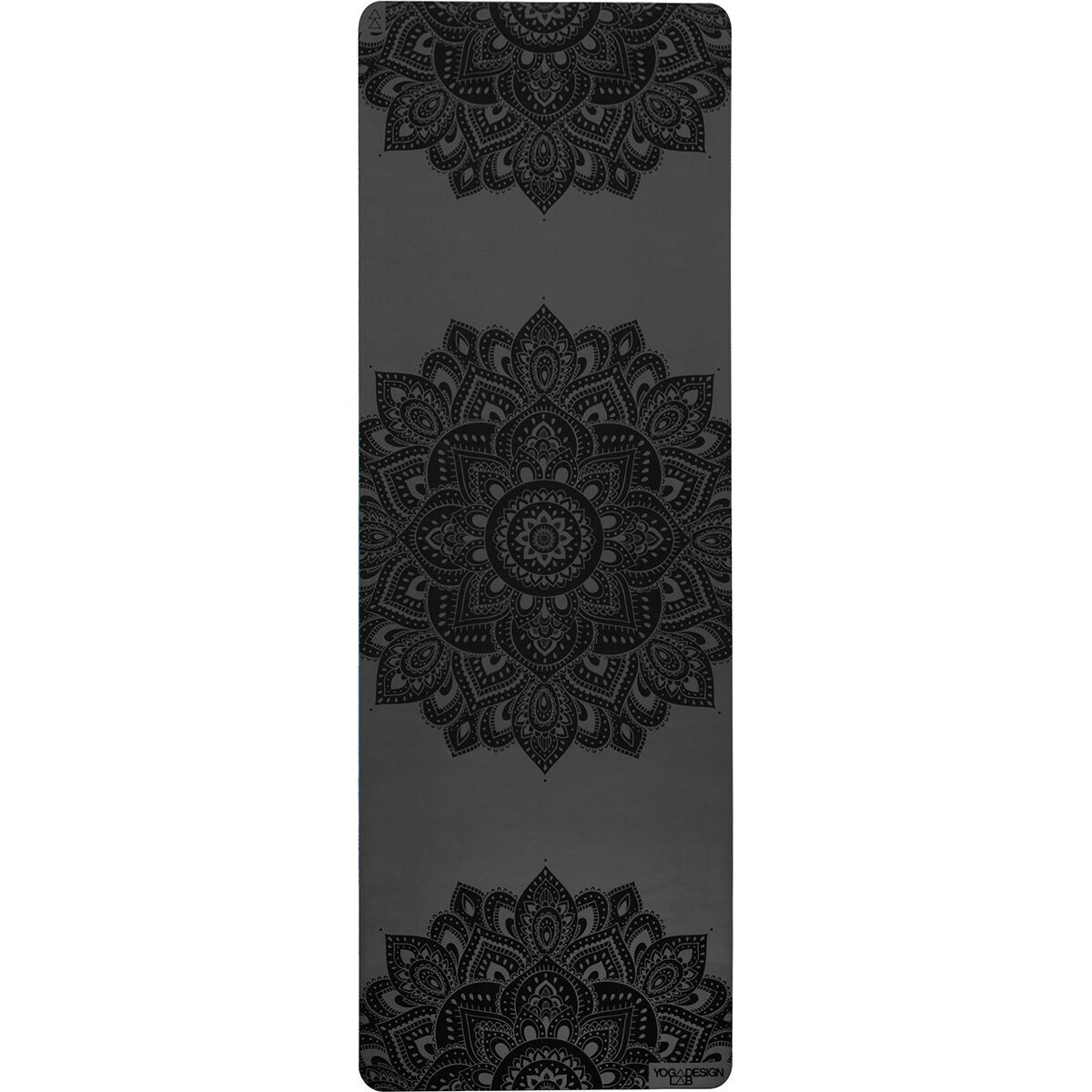
Yoga Design Lab Infinity Mat
Recovery starts with stretching. Our favorite mat for mobility work.