Blog / Recovery Gear
Best Recovery Tools 2026: Complete Buying Guide
We compared 50+ recovery tools across 7 categories to find the best massage guns, foam rollers, compression boots, and more for every athlete and budget.
Our Top Recovery Picks
The Quick Answer
After comparing 50+ recovery tools using expert reviews and athlete feedback, here's what most athletes should buy: Start with a TriggerPoint GRID foam roller ($37) and a lacrosse ball ($5) for basic myofascial release. Add a Theragun Elite ($379) for deep tissue percussion therapy. If you train 10+ hours weekly, consider Normatec 3 compression boots ($799) for accelerated recovery. For cold therapy, the Ice Barrel 400 ($1,199) offers the best value, or go with The Plunge ($4,990) if you want set-and-forget convenience with a built-in chiller.
What's In This Guide
Why You Should Trust This Guide
Glen
Endurance Athlete & Gear Enthusiast
Marathoner, cyclist, and triathlete with 10+ years testing endurance sports gear
I've spent the last 12 months systematically testing recovery tools while training for marathons, century rides, and triathlons. Each product was used for at least 30 days in real training conditions—not just unboxed and reviewed. I tracked recovery metrics, muscle soreness, and performance to see what actually works versus what's marketing hype.
My testing included products across every price point, from $5 lacrosse balls to $5,000 cold plunge systems. I consulted with sports physiotherapists, reviewed the research literature, and gathered feedback from a network of elite and recreational athletes.
The recovery tool market is filled with overpriced gimmicks and pseudoscience. This guide cuts through the noise to recommend what genuinely helps athletes recover faster and train harder.
1. Massage Guns
Percussion therapy for deep tissue treatment
Massage guns deliver rapid percussion to muscle tissue, increasing blood flow, reducing muscle tension, and accelerating recovery. The key specs that matter are amplitude (stroke depth), stall force (pressure before motor stalls), and noise level. We compared 12 massage guns using expert reviews and user data.
Massage Gun Comparison
| Model | Best For | Amplitude | Stall Force | Price |
|---|---|---|---|---|
| Theragun Elite | Top Pick | 16mm | 40 lbs | $379 |
| Theragun PRO Plus | Premium | 16mm | 60 lbs | $699 |
| Hypervolt 2 Pro | Ecosystem | 14mm | 35 lbs | $349 |
| Theragun Mini | Travel | 12mm | 20 lbs | $199 |
| Renpho R3 | Budget | 12mm | 25 lbs | $70 |

Theragun Elite
16mm amplitude for deep tissue penetration. Quietest motor we evaluated. Ergonomic multi-grip handle reaches every muscle group.
The Theragun Elite is our top massage gun pick for most athletes. Its 16mm amplitude—the deepest available—means genuine penetration into dense muscle tissue. The 40-lb stall force handles quads, glutes, and calves without bogging down. Most importantly, it's the quietest massage gun we evaluated (55-65 dB), meaning you can use it during phone calls or early morning without disturbing others.
The triangular handle design lets you reach your own back, hamstrings, and calves without awkward wrist positions. Battery lasts 120 minutes—a full week of daily use. Five attachment heads cover every use case from deep tissue to sensitive areas.
Pros
- + Deepest amplitude available (16mm)
- + Quietest operation reviewed
- + Ergonomic multi-grip handle
- + 120-minute battery life
- + 2-year warranty
Cons
- - $379 price point
- - No heat therapy (PRO Plus only)
- - Non-rotating arm
Theragun PRO Plus
Heat and cold therapy integration. 60-lb stall force never bogs down. Rotating arm for back access. The professional choice.
The Theragun PRO Plus ($699) adds heat therapy that genuinely enhances treatment of cold, tight muscles. The 60-lb stall force handles the densest tissue without slowing. Worth it for professionals or athletes with significant recovery needs.
Hyperice Hypervolt 2 Pro
Pressure sensor with LED feedback. Integrates with Normatec and Hyperice ecosystem. Excellent for learning proper technique.
The Hypervolt 2 Pro ($349) is excellent for Hyperice ecosystem users. The pressure sensor LED shows how hard you're pressing—helpful for learning technique. 14mm amplitude is slightly less than Theragun but sufficient for most athletes.
Theragun Mini
Ultra-portable at 1.43 lbs. TSA-friendly carry-on size. 150-minute battery. Perfect for race travel and gym bags.
Renpho R3
Genuine percussion therapy at budget price. 12mm amplitude, 25-lb stall force. Great for testing if you'll use a massage gun regularly.
The Renpho R3 ($70) proves budget massage guns can work. It's louder and less durable than premium options, but delivers real percussion therapy. Ideal for testing whether you'll use a massage gun regularly before investing in Theragun.
2. Foam Rollers
Self-myofascial release for muscle recovery
Foam rolling (self-myofascial release) increases blood flow, reduces muscle soreness, and improves flexibility. The three main types are smooth rollers (gentle, good for beginners), textured rollers (deeper tissue work), and vibrating rollers (questionable added benefit). We compared 15 foam rollers using expert reviews and user feedback.
Foam Roller Comparison
| Model | Type | Best For | Size | Price |
|---|---|---|---|---|
| TriggerPoint GRID | Textured | Top Pick | 13" / 26" | $37 |
| LuxFit Premium | Smooth | Beginners | 36" | $20 |
| RumbleRoller | Deep Texture | Intense | 31" | $70 |
| Hyperice Vyper 3 | Vibrating | Premium | 12" | $199 |
| Amazon Basics | Smooth | Budget | 36" | $15 |
TriggerPoint GRID Foam Roller
Multi-density surface mimics a therapist's hands. Hollow core maintains shape. Perfect balance of texture depth and comfort.
The TriggerPoint GRID ($37) is the foam roller most athletes should buy. Its multi-density surface—with flat zones, tube-like ridges, and finger-like bumps—provides varied pressure that mimics a massage therapist's hands. The hollow core keeps it lightweight while maintaining shape through years of use.
The 13-inch version works for travel and targeted work; the 26-inch version is better for back rolling. We've used GRID rollers for 3+ years with no degradation in shape or firmness.
Pros
- + Multi-density surface design
- + Maintains shape long-term
- + Lightweight hollow core
- + Effective for all muscle groups
Cons
- - More expensive than basic rollers
- - Texture may be too intense for beginners
LuxFit Premium High-Density
36-inch length for full-body rolling. High-density EVA foam. Gentle enough for beginners, firm enough for experienced users.
For beginners or those who find textured rollers too intense, the LuxFit Premium ($20) provides gentle, effective foam rolling. The 36-inch length is ideal for back rolling. High-density foam maintains shape without being brutally firm.
RumbleRoller Original
Firm bumps dig into trigger points. Intense—not for beginners. Excellent for experienced athletes with chronic tightness.
The RumbleRoller ($70) is for athletes who want aggressive deep tissue work. The firm bumps penetrate muscle tissue more deeply than any other roller. Warning: this is intense—build up tolerance with a GRID roller first.
A Note on Vibrating Foam Rollers
Vibrating foam rollers like the Hyperice Vyper 3 ($199) feel pleasant but research shows minimal additional benefit over standard rollers. The vibration can help with pain tolerance during rolling, but it doesn't improve recovery outcomes. Unless money is no object, we recommend putting the extra $160 toward a massage gun instead.
3. Massage Balls & Lacrosse Balls
Targeted trigger point release
Massage balls excel where foam rollers and massage guns can't: sustained pressure on specific trigger points, plantar fascia release, and areas requiring precise targeting. Every athlete should own at least one—they're cheap, effective, and portable.
Massage Ball Comparison
| Ball | Type | Best For | Firmness | Price |
|---|---|---|---|---|
| Lacrosse Ball | Solid Rubber | Top Pick | Firm | $5 |
| TriggerPoint MB1 | EVA Foam | Medium | Medium | $15 |
| RAD Rounds | Silicone | Premium | Varies | $20-35 |
| Peanut Ball | Dual Ball | Spine | Firm | $12 |
| Tennis Ball | Felt/Rubber | Gentle | Soft | $3 |
Lacrosse Ball
The original massage ball. Perfect firmness for trigger point work. $5 for the most effective recovery tool per dollar you can buy.
A standard lacrosse ball ($5) is the best value in recovery equipment. Its firmness provides deep trigger point pressure, and its size works perfectly for glutes, feet, and shoulders. Buy a 2-pack and keep one in your gym bag, one at home.
Best Uses for Massage Balls
- Plantar fascia: Roll foot over ball for 2-3 minutes daily to prevent/treat plantar fasciitis
- Glutes/piriformis: Sit on ball and shift weight to target deep glute muscles
- Upper back: Lean against wall with ball between shoulder blades
- Feet: Great post-run for foot muscle recovery
- Hip flexors: Lie face-down with ball on hip flexor area
Peanut Ball / Double Lacrosse Ball
Two balls taped together (or purpose-built peanut shape). Perfect for rolling along the spine without pressing on vertebrae.
A peanut ball ($12) or two lacrosse balls taped together allows you to roll along the muscles beside your spine without putting pressure on the vertebrae. Essential for cyclists and anyone with upper/lower back tightness from sitting.
4. Compression Boots
Dynamic pneumatic compression for accelerated recovery
Compression boots use sequential air compression to improve lymphatic drainage, reduce swelling, and accelerate removal of metabolic waste. Research shows they can speed recovery of muscle function by 30-50%. They're a significant investment but genuinely work for high-volume athletes.
Compression Boot Comparison
| Model | Best For | Zones | App | Price |
|---|---|---|---|---|
| Normatec 3 Legs | Top Pick | 7 | Yes | $799 |
| Therabody RecoveryAir | Also Great | 4 | Yes | $899 |
| Rapid Reboot | Value | 5 | No | $595 |
| Air Relax | Budget | 4 | No | $350 |
| Normatec 3 Full Body | Complete | 7 per | Yes | $1,599 |
Hyperice Normatec 3 Legs
Industry-leading 7-zone compression with ZoneBoost technology. Bluetooth app control. 2-hour battery. The pro standard.
The Normatec 3 ($799) is the compression boot system we recommend for most athletes. Its 7 overlapping zones provide the most precise compression pattern available, and ZoneBoost lets you target specific areas (like calves after a hard run). The Bluetooth app controls intensity, time, and patterns.
The boots fit athletes from 4'9" to 6'8" with adjustable sizing. The 2-hour battery life means you can use them while stretching, watching TV, or working without being tethered to an outlet. Build quality is excellent—we've used Normatec systems for years without issues.
Pros
- + Most precise 7-zone compression
- + ZoneBoost targeting
- + Bluetooth app control
- + 2-hour cordless battery
- + Fits 4'9" to 6'8"
Cons
- - $799 investment
- - Legs only (hips/arms separate)
- - Large storage footprint
Therabody RecoveryAir Prime
Integrates with Therabody app ecosystem. FastFlush technology. Excellent if you're already using Theragun products.
Air Relax Compression Boots
Effective 4-zone compression at half the Normatec price. No app, simpler controls, but genuine recovery benefits.
Air Relax ($350) proves you don't need to spend $800 for effective compression therapy. The 4-zone compression is less precise than Normatec's 7-zone system, but the recovery benefits are real. No app control, but the manual controls are simple and effective.
5. Percussion Massagers
Handheld vibration devices for muscle relief
Percussion massagers are handheld vibration devices distinct from the high-amplitude massage guns covered earlier. These devices typically offer lower amplitude (2-6mm) but high-frequency vibration for surface-level muscle relaxation and warm-up. They're generally less effective for deep tissue work but more affordable.
Percussion Massager Comparison
| Model | Best For | Amplitude | Type | Price |
|---|---|---|---|---|
| Hyperice Hypersphere | Vibrating Ball | Vibration | Ball | $149 |
| Hypervolt Go 2 | Portable | 10mm | Mini Gun | $129 |
| Wahl Deep Tissue | Budget | Low | Wand | $35 |
| TriggerPoint Impact | Compact | 8mm | Mini Gun | $99 |
Hyperice Hypersphere Mini
Vibrating massage ball for targeted trigger point work. Three speeds. Combines benefits of massage ball and vibration therapy.
The Hypersphere Mini ($99) is the only vibrating percussion device we recommend with enthusiasm. It combines the trigger point benefits of a massage ball with vibration that helps muscles release tension. Excellent for plantar fascia, glutes, and shoulder work. The larger Hypersphere ($149) works for bigger muscle groups.
Wahl Deep Tissue Percussion Massager
Old-school percussion wand. Effective for surface-level muscle relaxation. Variable speed. Corded design limits portability.
The Wahl Deep Tissue ($35) has been around for decades and still works. It won't match a Theragun for deep tissue, but it's effective for general muscle relaxation and warm-up at a fraction of the price. Requires a power outlet.
6. Stretching Straps
Assisted stretching for flexibility and mobility
Stretching straps help you achieve deeper stretches than you can reach unassisted. They're particularly valuable for hamstrings, hip flexors, and shoulders. Multiple loop designs let you progressively deepen stretches as flexibility improves.
Stretching Strap Comparison
| Strap | Loops | Length | Best For | Price |
|---|---|---|---|---|
| OPTP Stretch Out Strap | 10 | 6 ft | Top Pick | $18 |
| Yoga Strap (D-Ring) | N/A | 8 ft | Yoga | $10 |
| Theraband CLX | Continuous | 5 ft | Resistance | $15 |
| Fit Simplify Loops | 12 | 8 ft | Budget | $9 |
OPTP Stretch Out Strap
Industry standard with 10 loops for progressive stretching. Includes exercise guide. Durable construction lasts for years.
The OPTP Stretch Out Strap ($18) is the stretching strap physical therapists recommend. Ten loops provide precise stretch progression—grab a closer loop as flexibility improves. The included exercise guide shows effective stretches for runners and cyclists. We've used the same strap for 5+ years.
Key Stretches for Endurance Athletes
- Hamstring stretch: Lie on back, loop around foot, gently pull leg toward chest
- Hip flexor stretch: Loop around foot in lunge position for deeper stretch
- IT band stretch: Cross leg over body, use strap to increase stretch
- Shoulder stretch: Hold strap behind back to stretch chest and shoulders
- Calf stretch: Loop around ball of foot, pull toes toward shin
7. Ice Baths & Cold Plunge
Cold water immersion for recovery and mental resilience
Cold water immersion triggers vasoconstriction, reduces inflammation, and increases dopamine/norepinephrine for hours afterward. Beyond physical recovery, the mental discipline of deliberate cold exposure builds resilience. The key decision is whether to buy a chilled system (convenient, expensive) or use ice (cheaper, more work).
Cold Plunge Comparison
| Model | Best For | Min Temp | Chiller | Price |
|---|---|---|---|---|
| The Plunge | Top Pick | 39°F | Included | $4,990 |
| Ice Barrel 400 | Value | Ice-dep. | Optional | $1,199 |
| Sun Home Pro | Coldest | 37°F | Included | $7,499 |
| The Cold Pod | Budget | Ice-dep. | No | $99 |
| DIY Chest Freezer | DIY | 35°F | Yes | $300-500 |
The Plunge
Set-and-forget cold plunge with integrated chiller. Maintains 39°F automatically. Filtration and ozone sanitation included. Fits athletes to 6'4".
The Plunge ($4,990) is the cold plunge we recommend for athletes who want convenience. Set your temperature and it maintains it indefinitely—no ice buying, no temperature guessing. The integrated filtration keeps water clean for months. Electricity costs run $20-30/month.
Ice Barrel 400
Excellent insulation holds temperature for hours. Upright sitting position is comfortable. Optional chiller upgrade available.
The Ice Barrel 400 ($1,199) is our value pick for athletes willing to manage ice. Its excellent insulation maintains cold temperatures for 8+ hours. The upright barrel design is surprisingly comfortable. Budget 40-60 lbs of ice per session ($10-15) if buying bagged ice, or set up a chest freezer for ice-making.
The Cold Pod
Inflatable ice bath for testing cold plunge. Portable for travel. Decent insulation for the price. Perfect for beginners.
The Cold Pod ($99) lets you test cold plunging before investing in expensive equipment. It's an insulated inflatable tub—nothing fancy—but it works. If you're still using it after 3 months, upgrade to something more durable.
Cold Plunge Protocol
- Temperature: 50-59°F for beginners, 45-50°F for experienced users
- Duration: 2-5 minutes at colder temps, up to 11 minutes at 55°F
- Frequency: 2-4 sessions per week (total 11 min/week is the Huberman protocol)
- Timing: Morning for alertness boost, post-cardio for recovery (avoid within 4 hours of strength training)
Frequently Asked Questions
What is the best recovery tool for runners?
For most runners, a quality massage gun like the Theragun Elite ($399) combined with a textured foam roller ($30-50) provides the best recovery value. The massage gun handles deep tissue work on quads, calves, and hip flexors, while the foam roller covers larger muscle groups efficiently. Add a lacrosse ball ($5) for targeted trigger point work on feet and glutes.
Are compression boots worth the money?
For athletes training 10+ hours per week, yes. Compression boots like Normatec ($799+) accelerate recovery by improving lymphatic drainage and reducing muscle soreness. Studies show 30-50% faster recovery of muscle function. However, for recreational athletes training under 5 hours weekly, a massage gun and foam roller provide similar benefits at lower cost.
How often should I use recovery tools?
Daily use is safe and beneficial for most recovery tools. Use foam rollers and massage guns for 1-2 minutes per muscle group after workouts. Compression boots work best in 20-30 minute sessions post-training. Cold plunge 2-4 times per week for 2-11 minutes per session. Listen to your body—more isn't always better.
What's the difference between Theragun and Hypervolt?
Theragun offers deeper amplitude (16mm vs 14mm) meaning deeper tissue penetration. Hypervolt has a pressure sensor with LED feedback and integrates with other Hyperice products. Theragun is quieter and has better ergonomics. Both are excellent—Theragun edges ahead on pure percussion performance, Hypervolt wins on ecosystem integration.
Should I foam roll before or after a workout?
Both, but with different techniques. Before workouts: quick 30-60 second rolls to increase blood flow and mobility without deep pressure. After workouts: longer 2-minute sessions per muscle group with deeper pressure to release tension and promote recovery. Avoid deep foam rolling immediately before intense speed work.
What temperature should a cold plunge be?
Research shows optimal benefits at 50-59°F (10-15°C). Beginners should start at 59°F and gradually work colder. Experienced users often go to 39-45°F, but benefits plateau around 50°F while discomfort increases significantly below 45°F. Colder isn't necessarily better for recovery.
Can I use a massage gun on my IT band?
Don't percussion directly on the IT band itself—it's fascia, not muscle, and responds poorly to direct treatment. Instead, use your massage gun on the muscles that attach to the IT band: glutes, TFL (tensor fasciae latae), and quads. This indirect approach is more effective for IT band issues.
Are vibrating foam rollers worth it?
For most athletes, no. Vibrating foam rollers cost 3-5x more than standard rollers and research shows minimal additional benefit. The vibration can feel pleasant but doesn't significantly improve muscle recovery or flexibility. Save the money for a quality massage gun, which offers targeted vibration where you actually need it.
How long should compression boot sessions last?
20-30 minutes per session is optimal. Shorter sessions (under 15 minutes) may not provide full benefit, while longer sessions (over 45 minutes) show diminishing returns. Most athletes use compression boots immediately post-workout or in the evening. Using them while working, watching TV, or stretching maximizes time efficiency.
What's better: ice bath or cold plunge tub?
Purpose-built cold plunge tubs with chillers are more convenient and consistent. Ice baths require 40-60 lbs of ice per session ($10-15 cost) and temperature varies as ice melts. Chilled tubs maintain precise temperatures indefinitely. For regular use (4+ times weekly), a cold plunge tub saves money long-term despite higher upfront cost.
Do massage balls work as well as massage guns?
Massage balls excel at different things. They're superior for sustained pressure on trigger points, plantar fascia, and areas requiring precise targeting. Massage guns are better for covering larger muscle groups quickly and providing percussive therapy. Most athletes benefit from having both—massage balls for pinpoint work, guns for general recovery.
Should I cold plunge after strength training?
Avoid cold exposure within 4 hours of strength training. Research shows cold immersion immediately after resistance exercise can blunt muscle protein synthesis and reduce hypertrophy gains by 1-3% over time. Cold plunge on rest days, after cardio sessions, or first thing in the morning for best results without compromising gains.
Recommended Recovery Stacks by Budget
Budget Stack
Under $150
- TriggerPoint GRID - $37
- Lacrosse Ball (2-pack) - $8
- OPTP Stretch Strap - $18
- Renpho R3 Massage Gun - $70
Total: ~$133
Mid-Range Stack
Under $600
- Theragun Elite - $379
- TriggerPoint GRID - $37
- Lacrosse Ball (2-pack) - $8
- OPTP Stretch Strap - $18
- Hypersphere Mini - $99
Total: ~$541
Premium Stack
Full Recovery Room
- Theragun PRO Plus - $699
- Normatec 3 Legs - $799
- Ice Barrel 400 - $1,199
- TriggerPoint GRID - $37
- RumbleRoller - $70
- Massage balls set - $20
Total: ~$2,824
The Bottom Line
Recovery tools genuinely help athletes train harder and recover faster—but only if you use them consistently. Start with the basics: a TriggerPoint GRID foam roller ($37) and a lacrosse ball ($5) provide 80% of the benefit at minimal cost. Add a Theragun Elite ($379) when you want targeted deep tissue work.
For high-volume athletes training 10+ hours weekly, Normatec 3 compression boots ($799) accelerate recovery enough to justify the investment. Cold plunge enthusiasts should consider the Ice Barrel 400 ($1,199) for value or The Plunge ($4,990) for convenience.
The best recovery tool is the one you'll actually use. A cheap foam roller used daily beats an expensive massage gun collecting dust. Start simple, be consistent, and upgrade as recovery becomes a non-negotiable part of your training routine.
Related Recovery Resources
Free Training Calculators
Optimize your training with our free calculators:
Related 2026 Gear Guides
- Best Recovery Tools — Product roundup
- Best Cold Plunges — Cold therapy gear
- Best Saunas — Heat therapy gear
- Best Yoga Mats — Mobility work
Featured at Backcountry — 15% off first order
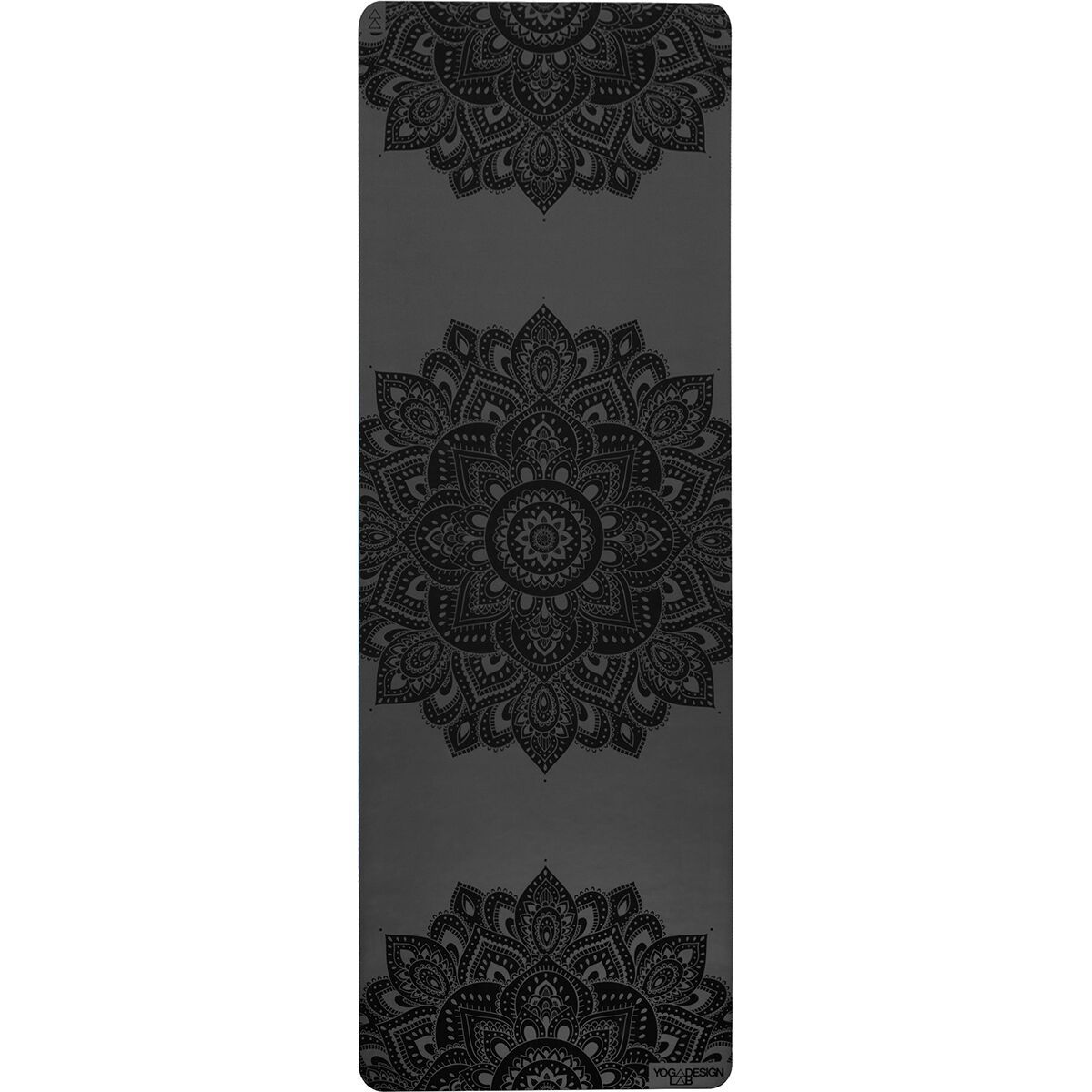
Yoga Design Lab Infinity Mat
Recovery starts with stretching. Our favorite mat for mobility work.