Blog / Running Gear / Shoes
Best Running Shoes for Beginners 2026
Our Top Beginner Running Shoes
Quick Comparison
| Product | Best for | Budget tier | Buy |
|---|---|---|---|
| Brooks Ghost 17 | Most beginners, runners and walkers | Under $250 | Amazon → |
| Nike Pegasus 41 | Mixed easy runs and gym days | Under $250 | Amazon → |
| Saucony Ride 19 | Runners who want a balanced, versatile shoe | Under $250 | Amazon → |
| ASICS Novablast 5 | Runners who like a lively feel | Under $250 | Amazon → |
| Brooks Glycerin 22 | Runners who want maximum cushioning | Under $250 | Amazon → |
Tiers show the price band when this page was updated, not a quoted price.
If you are starting with a run-walk plan, the first shoe matters because it decides how comfortable the first month feels. Use our run-walk calculator to set your intervals, and read the run-walk method guide for how to progress. These five shoes are all neutral, cushioned daily trainers from major brands, and each is sold at Backcountry and on Amazon.
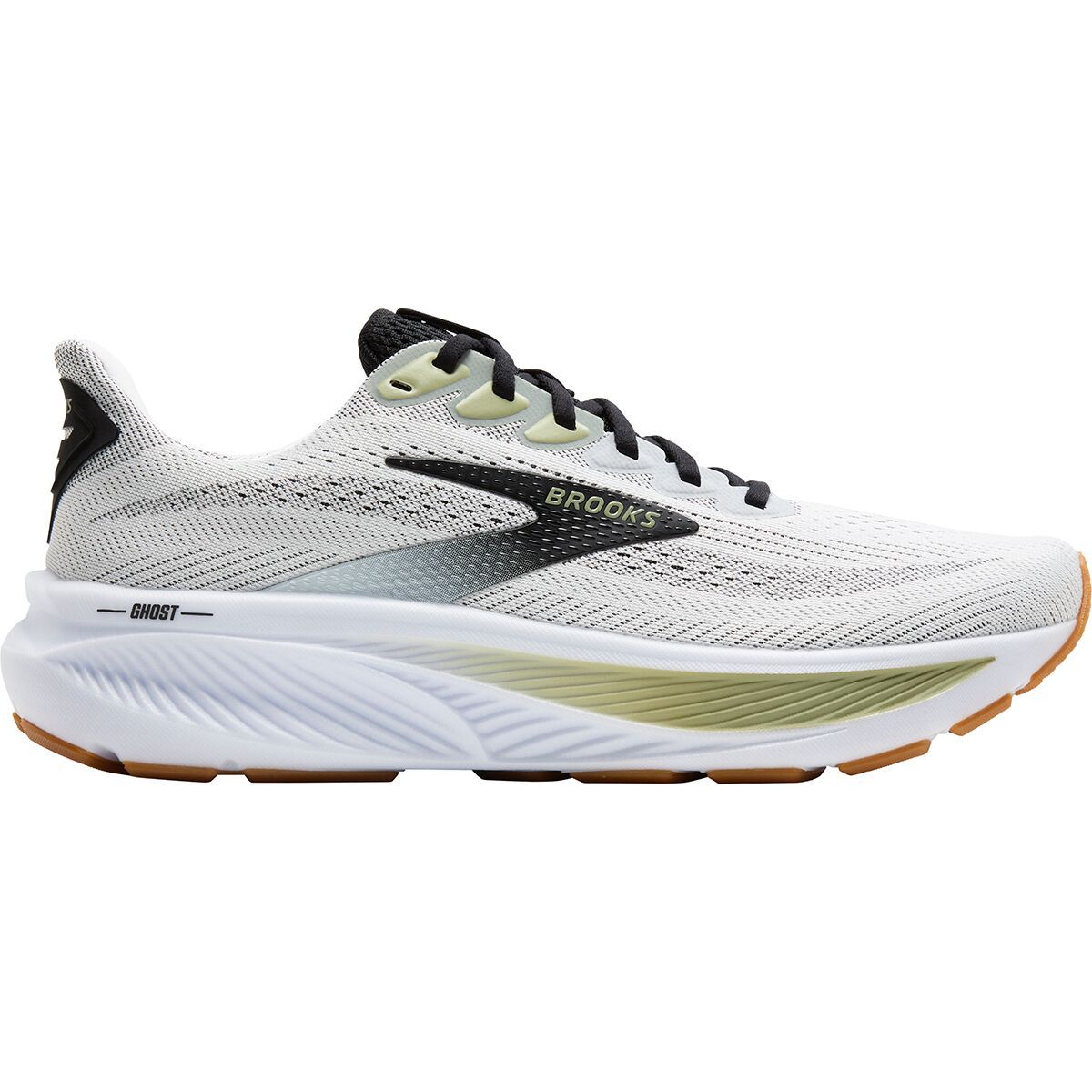
Brooks Ghost 17
The Ghost 17 is the easy default. Brooks describes it as a neutral shoe for runners and walkers alike who want smooth, reliable comfort, with nitrogen-infused DNA LOFT v3 cushioning, flex grooves in the midsole for smoother transitions and a breathable double jacquard air mesh upper.
- ✓ Neutral support, DNA LOFT v3 cushioning
- ✓ Flex grooves for smoother toe-off
- ✓ Breathable double jacquard air mesh upper
- ✓ Rubber outsole with recycled silica
- ✓ Men's and women's versions

Nike Pegasus 41
The Pegasus 41 is a long-running daily trainer. Nike lists a ReactX foam midsole that surrounds forefoot and heel Air Zoom units for an energized ride, a waffle-inspired rubber outsole for traction and a lighter, more breathable engineered mesh upper with a plush collar, tongue and sockliner.
- ✓ ReactX foam with Air Zoom units
- ✓ Waffle-inspired rubber outsole
- ✓ Plush collar and tongue
- ✓ Engineered mesh upper
- ✓ Men's and women's versions

Saucony Ride 19
The Ride 19 uses reformulated PWRRUN+ foam that Saucony says is lighter, softer and more responsive, with more rubber and flex grooves for durability and smooth transitions, an engineered mesh upper with added heel collar cushioning and an 8 mm offset.
- ✓ Reformulated PWRRUN+ foam
- ✓ 8 mm offset
- ✓ More rubber in the forefoot for durability
- ✓ Engineered mesh upper with heel collar cushioning
- ✓ Men's and women's versions

ASICS Novablast 5
The Novablast 5 is built around FF BLAST MAX cushioning, which ASICS says helps provide a lightweight and energetic ride, and a trampoline-inspired outsole design. The listing also notes it runs large, so try your usual size and the half size down if you can.
- ✓ FF BLAST MAX cushioning
- ✓ Trampoline-inspired outsole
- ✓ Engineered jacquard mesh upper, tongue wing construction
- ✓ Reflective details
- ✓ Listing notes: runs large

Brooks Glycerin 22
The Glycerin 22 gives the most cushioning on this list. Brooks lists DNA Tuned cushioning with larger cells in the heel for soft landings and smaller cells in the forefoot for responsive toe-offs, neutral support, a broad stable platform and a double jacquard knit upper with an accommodating fit.
- ✓ DNA Tuned cushioning, neutral support
- ✓ Broad stable platform
- ✓ Double jacquard knit upper, accommodating fit
- ✓ Suited to road running, gym and cross training
- ✓ Wide sizes are available in some versions
How to Choose Your First Running Shoes
- Fit beats brand. Leave about a thumb's width of space in front of your longest toe. Feet swell as you run, so try shoes in the afternoon.
- Go neutral unless a coach or podiatrist says otherwise. All five shoes here are neutral daily trainers. If you have flat feet or need more support, see our guide to running shoes for flat feet or stability vs neutral shoes.
- Pick cushioning you enjoy. Plush shoes feel soft on easy days. Firmer shoes feel quicker. Beginners usually enjoy a middle level.
- Choose the right width. Brooks sells wide and narrow sizes for some models, which helps if your feet are not average.
- Buy a second pair later. Alternating two pairs of shoes is common once you run three or more times a week.
When to Replace Running Shoes
Shoes lose cushioning with use. Many brands and coaches suggest replacing a daily trainer after roughly 300 to 500 miles, or sooner if the midsole feels flat, you feel new aches, or the outsole is worn through. Our shoe replacement calculator helps you track mileage. If pain continues or gets worse, see a doctor or physical therapist.
Run-Walk Beginners: What to Add
You do not need a lot of gear, but a few items make the first weeks easier:
- A pair of running socks that do not hold sweat, to cut blister risk.
- A running watch or GPS watch with an interval timer to track run and walk blocks. If you want to track fitness, our VO2 max watches guide has more.
- Layers from our running jackets and tights guides if you run in cooler weather.
- A pace chart: see the average running pace by age and gender and our pace calculator so you set realistic goals.
Where to Buy
Backcountry carries all five shoes. The Amazon links go to the same models, but sizes and colors vary by listing, so check the size and the model name before you order. If you are unsure about size, a local running store can fit you and let you test the shoes on a treadmill.
Frequently Asked Questions
What is the best running shoe for a beginner?
The Brooks Ghost 17 is the best pick for most beginners because it is a neutral, cushioned daily trainer that Brooks lists for runners and walkers alike. The Nike Pegasus 41 and Saucony Ride 19 are close alternatives.
Do beginners need stability shoes?
Not necessarily. Most beginners do well in a neutral cushioned shoe. If you have flat feet, pain or a gait concern, a podiatrist or a running store can advise whether you need more support.
How much should a beginner spend on running shoes?
The five shoes on this page all sit in the same Under $250 tier. Shoes from major brands are often discounted when a new version comes out, so last year's model can save money.
Can I use running shoes for walking?
Yes. Brooks lists the Ghost 17 as suitable for runners and walkers alike, and daily trainers are a common choice for walking. Pick the shoe that is most comfortable for the time on your feet.
How do I know what size to buy?
Aim for about a thumb's width of space in front of your longest toe, and try shoes in the afternoon when feet are larger. ASICS notes the Novablast 5 runs large, so check the size guidance for each model.
How often should I replace running shoes?
Many brands suggest replacing daily trainers after roughly 300 to 500 miles, or sooner if the cushioning feels flat or you feel new aches. Track your miles with our shoe replacement calculator.