Understanding Running Shoe Lifespan
Running shoes are engineered with foam compounds that gradually break down with use. The midsole, which provides cushioning and energy return, degrades through repeated compression cycles. Understanding when to replace your shoes is crucial for injury prevention and optimal performance.
Shoe Lifespan by Type
Daily Trainers (300-500 miles)
Standard daily training shoes are designed for durability and comfort across many miles. Quality trainers from major brands typically offer reliable cushioning through 400+ miles when used appropriately.
Stability Shoes (400-600 miles)
Motion control and stability shoes often feature denser foams and reinforced structures that can extend lifespan compared to neutral trainers. The medial post and firmer materials resist compression longer.
Lightweight Racing Flats (200-300 miles)
Racing flats sacrifice durability for weight savings. The thinner midsoles and lighter foams break down faster. Reserve these for races and speed workouts to maximize their lifespan.
Carbon Plated Racers (150-250 miles)
Super shoes with carbon fiber plates offer exceptional performance but limited durability. The soft, responsive foams degrade quickly. Track mileage carefully and retire them when bounce diminishes.
Trail Runners (400-600 miles)
Trail shoes often last longer because softer surfaces reduce midsole compression. However, aggressive terrain can wear the outsole faster. Inspect both cushioning and traction regularly.
Maximal Cushion Shoes (300-400 miles)
High-stack shoes with extra cushioning may feel plush longer but can develop dead spots as foam compresses. The larger foam volume makes degradation less obvious initially.
Factors Affecting Shoe Lifespan
Body Weight Impact
Every foot strike compresses the midsole foam. Heavier runners generate more force, causing faster foam degradation. A runner weighing 200+ lbs may need to replace shoes 15-20% sooner than a 140 lb runner.
Running Surface Effects
- Pavement/Road: Hard surfaces create consistent high-impact forces that compress foam quickly
- Treadmill: Slightly softer impact than road but very consistent, leading to even wear
- Track: Rubberized surfaces reduce impact but tight turns increase lateral stress
- Trail: Varied surfaces and softer terrain can extend midsole life
Running Gait and Style
- Overpronators: May wear through medial support faster
- Supinators: Concentrated lateral wear can cause uneven breakdown
- Heavy heel strikers: Accelerated heel cushion degradation
Extending Shoe Lifespan
Rotation Strategy
Rotating between 2-3 pairs of shoes can extend each pair's lifespan by 25-40%. The foam recovers between runs, and varying cushioning systems reduces repetitive stress patterns.
Proper Care Tips
- Allow 24-48 hours between wears for foam recovery
- Remove insoles after runs to air out moisture
- Never machine wash or dry - use damp cloth only
- Store in cool, dry place away from direct heat
- Use shoes only for running, not casual wear
Why Worn Shoes Cause Injuries
Running in worn shoes significantly increases injury risk. As cushioning degrades, impact forces transfer directly to joints and soft tissues. Studies show injury rates increase 50% when running in shoes past their recommended lifespan.
Common Injuries from Worn Shoes
- Plantar Fasciitis: Reduced arch support and cushioning
- Shin Splints: Inadequate shock absorption
- IT Band Syndrome: Uneven wear altering gait mechanics
- Knee Pain: Loss of cushioning increasing joint stress
- Stress Fractures: Repeated impact without adequate protection
Tracking Your Shoe Mileage
Most running watches and apps let you track mileage per shoe. Set up your shoes in Strava, Garmin Connect, or Nike Run Club to automatically log miles. Set alerts at 80% of expected lifespan to start shopping for replacements.
Featured at Backcountry — 15% off first order
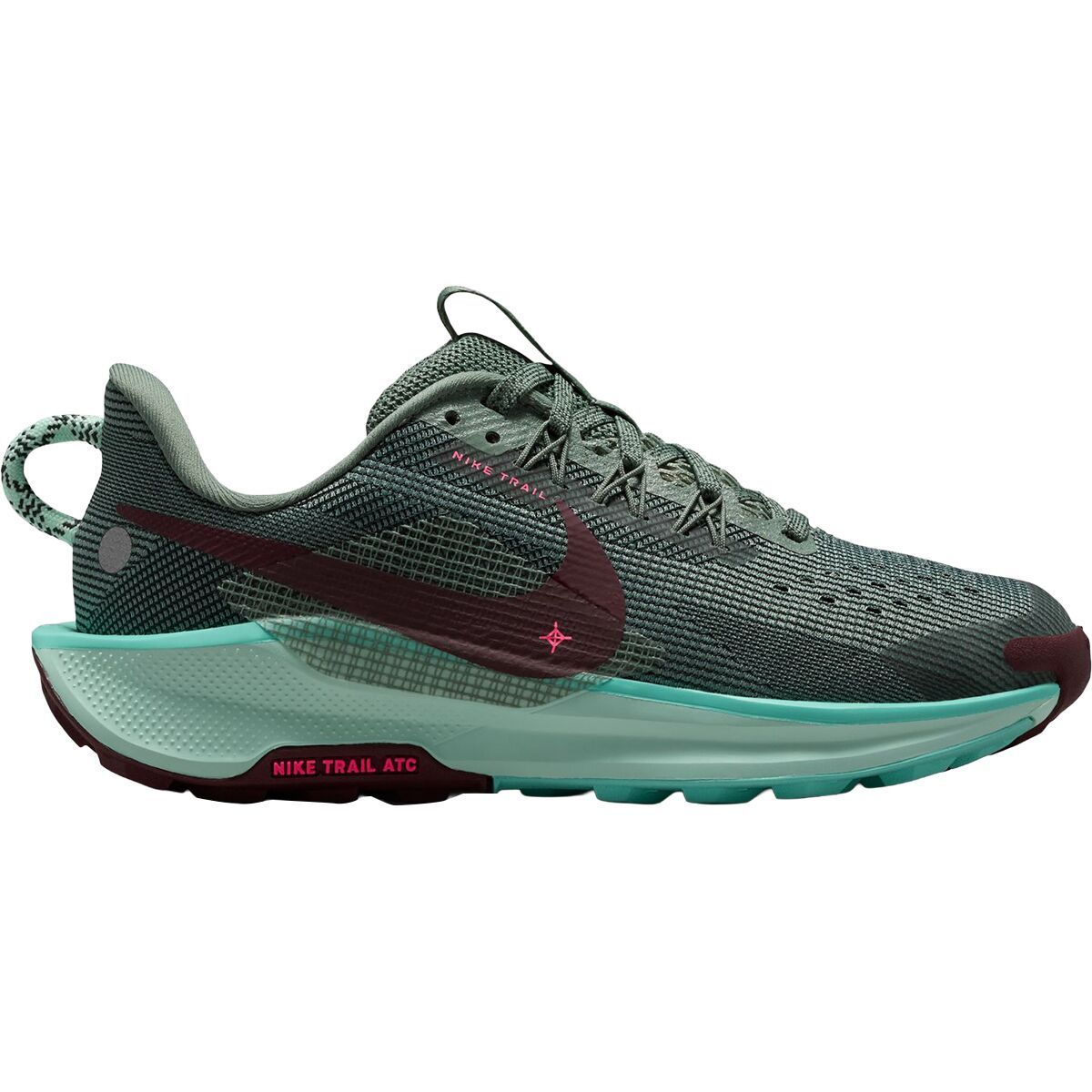
Nike Pegasus Trail 5
Nike's trail-focused Pegasus with React foam and sticky outsole. Perfect for mixed-surface running.